Pilots Bark, Meow on Radio; FAA Investigates
Pilots at Washington D.C.'s Reagan National Airport were heard meowing and barking over the air traffic control radio, prompting a reminder from controllers to be professional. The FAA is investigating the incident, which some experts are calling "outrageous" and "juvenile." The behavior potentially violates the "sterile cockpit rule," which requires strict professionalism during flight operations.

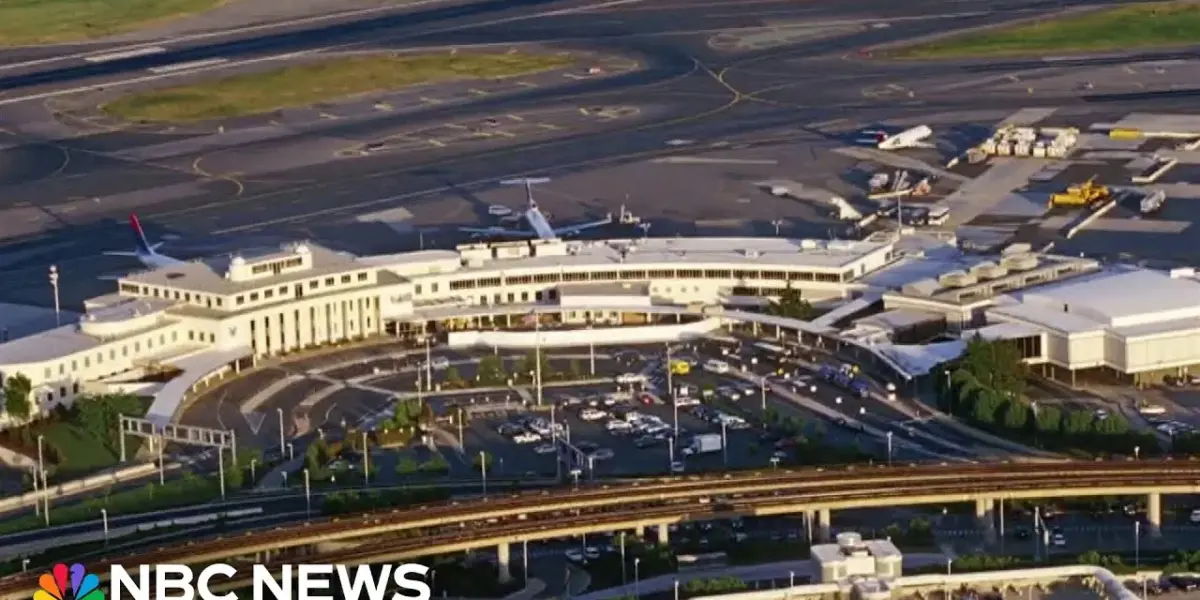
Pilots Caught Meowing and Barking on Air Traffic Control Radio
Air traffic controllers at Washington D.C.’s Reagan National Airport (DCA) recently had to remind pilots to maintain professionalism after hearing strange animal sounds over the radio. The incident, captured and shared online, shows pilots engaging in what sounds like meowing and barking during air traffic communications. Air traffic control had to step in and tell the pilots to be professional.
FAA Investigates Pilot Conduct
The Federal Aviation Administration (FAA) has stated that it investigates all situations where pilots may have violated regulations. While the FAA did not confirm details of the specific exchange or identify the airlines involved, they emphasized their commitment to investigating potential rule breaches. Delta Airlines also commented, stating they expect pilots to always conduct themselves professionally and could not authenticate any details of the exchange.
Experts Call Behavior “Outrageous” and “Juvenile”
Tom Castello, a commentator on aviation matters, expressed strong disapproval of the pilots’ actions. He described the behavior as “outrageous” and “juvenile,” comparing the pilots to “12-year-olds.” Castello noted that the transmissions occurred on frequency 121.50, which is the Guard emergency channel.
This channel is meant for emergency use only, and pilots are expected to monitor it at all times. Using it for non-emergency animal sounds is seen as a serious misuse.
“Sterile Cockpit Rule” Violation Potential
The incident raises questions about adherence to aviation safety rules, particularly the “sterile cockpit rule.” This rule mandates that pilots must maintain extreme professionalism and focus solely on the safe operation of the aircraft during critical phases of flight. Specifically, below 10,000 feet, conversations should be limited to flight operations. Castello believes that meowing and barking on the radio, regardless of altitude, would be considered inappropriate and a violation of this rule.
Long-Standing Issue or New Phenomenon?
Castello mentioned that this type of behavior, described as “meow meow bark bark,” may have been going on for over 20 years. He speculated it might be connected to a movie from two decades ago, though he admitted he was unsure.
However, he stressed that many professional pilots find this behavior outrageous and disrespectful. The exact origin or motivation behind the animal sounds remains unclear.
Disrespectful Conduct Amid Safety Concerns
The incident at Reagan National Airport is particularly concerning given the airport’s history. Last year, a tragic crash at Reagan National resulted in 67 fatalities. Communication issues were identified as a contributing factor in that accident.
The current behavior, while seemingly trivial, highlights a potential disregard for professional communication standards in a critical aviation environment. Attempts to identify the specific pilots or aircraft involved have been unsuccessful, according to sources.
Airlines May Take Internal Action
If the FAA can determine who was responsible for the radio transmissions, the consequences could fall on the airlines. Castello noted that if pilots are found to be violating rules above 10,000 feet, where the sterile cockpit rule doesn’t strictly apply to non-essential conversation, the FAA might not have a specific regulation to cite. In such cases, the airlines themselves would likely take disciplinary action against their pilots for unprofessional conduct.
Future of Professionalism in Aviation Communications
The FAA’s investigation into the incident is ongoing. The outcome will likely depend on their ability to identify the individuals involved and determine which specific regulations, if any, were violated.
The incident is a reminder of the importance of maintaining professionalism in all aspects of aviation communication, especially in busy airspaces like that of Washington D.C. The aviation community will be watching to see what actions are taken to address this unusual breach of conduct.
Source: Pilots appear to ‘meow’ and ‘bark’ at each other over radio at DCA (YouTube)

Related Articles
House Acts to Ground Midair Collision Threats
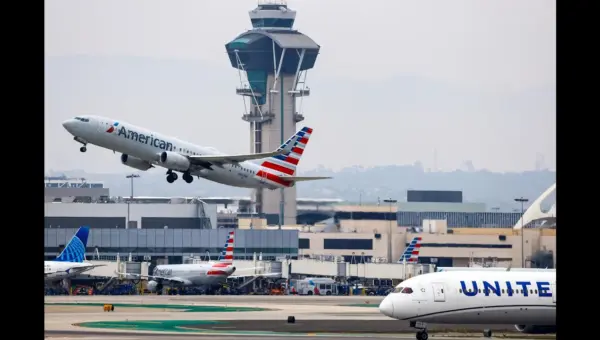
The House has passed the Alert Act, a bill mandating advanced tracking and collision avoidance technology for aircraft in busy airspace. This legislation, inspired by a recent fatal crash, aims to prevent mid-air collisions and has bipartisan support. It now heads to the Senate for consideration.

Boeing 757 Stuns Iceland Town With Daring Low Flyover
A Boeing 757 passenger jet performed a dramatic and unusually low flyover above the Icelandic town of Egilsstaðir, captivating onlookers. The rare spectacle, captured on video, showed the aircraft passing just hundreds of feet above the community. While the exact reason remains unconfirmed, such maneuvers often spark discussions about aviation safety and pilot training.
LAX Plane Narrowly Avoids Collision With Trucks
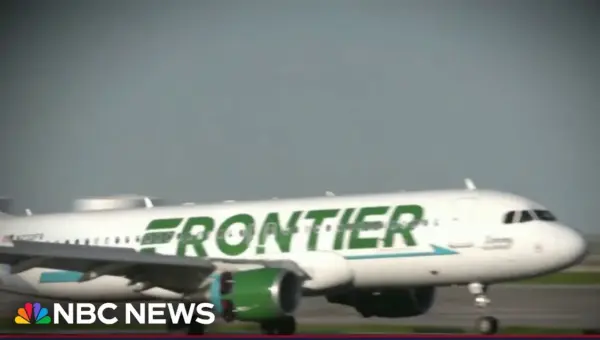
A Frontier Airlines flight with over 200 passengers at LAX narrowly avoided a collision with two service trucks while taxiing. The pilot's quick braking prevented a potential disaster. The FAA is investigating the incident, which highlights critical safety concerns regarding ground vehicle operations at airports.