Pentagon Warns Iran: ‘We Are Watching You’ With Iron Fist
The Pentagon issued a stern warning to Iran, highlighting U.S. surveillance and readiness while maintaining an "ironclad blockade." Officials emphasized Iran's limited military capacity against superior American strength and intelligence. The briefing also criticized media coverage and celebrated military recruitment successes.

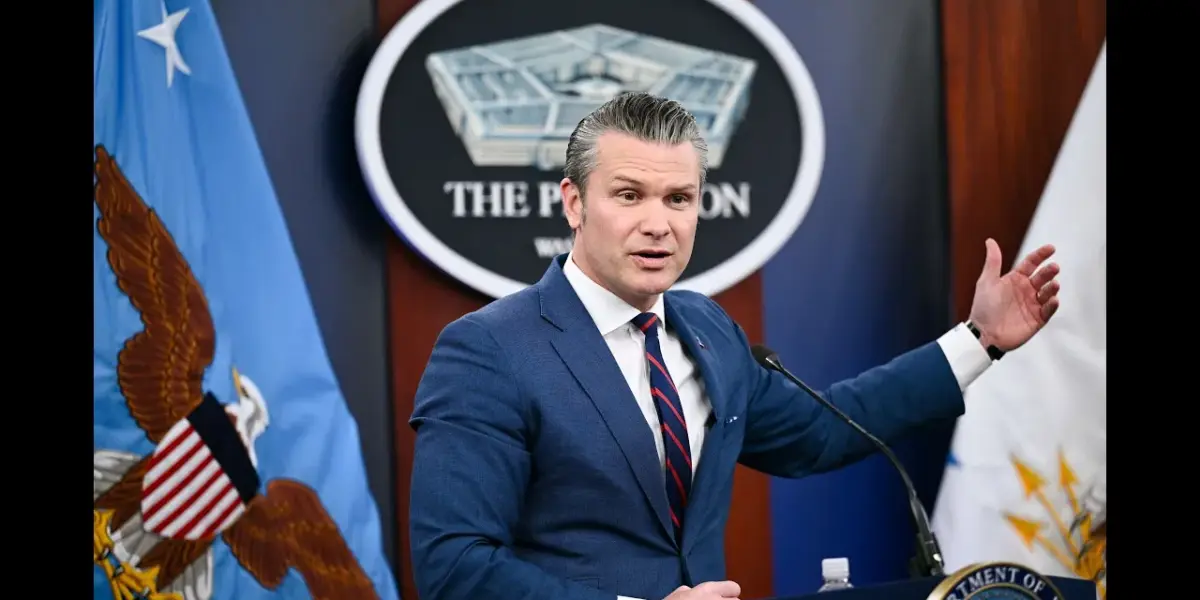
Pentagon Issues Stark Warning to Iran Amidst Escalating Tensions
The Pentagon has sent a clear and forceful message to Iran’s military and political leadership, emphasizing a heightened state of surveillance and readiness. Officials stated that the U.S. is fully aware of Iran’s military movements and asset repositioning, particularly concerning its remaining missile launchers and weapons systems. This warning comes as the U.S. maintains a successful blockade, aiming to pressure Iran into accepting a deal and preventing its nuclear ambitions.
U.S. Military’s Power and Preparedness Highlighted
Admiral Bradley Cooper, Commander of CENTCOM, recently returned from the front lines and briefed the Pentagon on the current situation in the region. He highlighted the U.S. military’s superior capabilities and intelligence, contrasting them with Iran’s limited ability to replace its dwindling arsenal. The U.S. forces are described as being “locked and loaded” on critical Iranian infrastructure, with the capacity to act swiftly if necessary.
Blockade and Economic Pressure as Key Strategies
A significant aspect of the U.S. strategy involves an “ironclad blockade” aimed at preventing Iran’s energy exports from reaching the market. This blockade, enforced by the U.S. Navy with a fraction of its total power, is presented as a “polite way” to exert pressure.
In parallel, the Treasury Department is implementing “Operation Economic Fury” to maximize economic pressure across all government sectors. Officials urged Iran to “choose wisely” and opt for a peaceful resolution.
Historical Context and U.S. Naval Dominance
The U.S. military’s ability to transition seamlessly from combat operations to a blockade was emphasized, drawing parallels to past successful operations. The narrative also highlighted the U.S. Navy’s control over the Strait of Hormuz, distinguishing it from Iran’s inability to control the vital waterway despite its claims. The sheer power disparity was starkly illustrated: the U.S. Navy, the world’s most powerful, uses only a small percentage of its fleet for this operation, while Iran’s navy is depicted as having zero presence or capability in this regard.
Criticism of Media Coverage and Call for Patriotism
A notable portion of the briefing addressed the press corps, with strong criticism leveled against what was termed “relentlessly negative coverage” and “garbage.” Officials questioned the patriotism of media outlets that, in their view, fail to acknowledge the significant successes of U.S. troops and policies, particularly during the current operation and in contrast to past events like the Afghanistan withdrawal. This criticism was framed through a biblical analogy, comparing certain journalists to Pharisees who scrutinize good deeds to find fault, rather than acknowledging genuine accomplishments.
Recruitment Successes and Troop Morale
The briefing also highlighted significant successes in military recruitment, with the Air Force and Space Force meeting ambitious FY26 goals five months ahead of schedule. The Army and Marine Corps are expected to follow suit.
This was presented as evidence of a “new spirit” and surge of Americans wanting to join the military, a story allegedly ignored by the “fake news.” Admiral Cooper shared his personal observations from visiting over 70 locations, noting the high motivation, focus, and readiness of American service members. He described them as “highly motivated, they’re focused, they’re vigilant, and they’re ready,” actively rearming, retooling, and adjusting tactics during the ceasefire.
International Partnerships and Shared Defense
Discussions with regional allies revealed a reinforced commitment to security and strengthened military partnerships. Countries like Bahrain, UAE, Saudi Arabia, Qatar, Kuwait, and Jordan were praised as exceptional teammates, working side-by-side with U.S. forces.
Israel was specifically mentioned as a vital partner, with joint military objectives being met and exceeded. The U.S. expressed a desire for other nations to strengthen their capabilities and take on more responsibility for defending vital waterways, rather than solely relying on American power.
Looking Ahead: A Choice for Iran
The underlying message to Iran remained consistent: a choice between a prosperous future through a deal or facing continued economic pressure and potential military action. The U.S. military stands ready to resume combat operations if Iran chooses poorly. The briefing concluded with a reminder of the sacrifices of past servicemen, honoring Ensign Robert Thompson, and a reiteration of the U.S. commitment to its troops and its strategic objectives.
Why This Matters
This Pentagon briefing highlights a critical juncture in international relations, particularly concerning Iran’s nuclear program and regional stability. The U.S. is employing a dual strategy of aggressive diplomacy, backed by significant military and economic pressure, to achieve its objectives.
The strong rhetoric and detailed operational updates signal a determination to prevent Iran from acquiring nuclear weapons and to maintain freedom of navigation in vital global shipping lanes. The criticism of media coverage also highlights a growing tension between official narratives and public perception, particularly in times of geopolitical conflict.
Implications and Future Outlook
The ongoing blockade and economic sanctions are designed to force Iran to the negotiating table. The effectiveness of these measures will depend on Iran’s response and its willingness to make concessions. The U.S. emphasis on its superior military might and intelligence suggests a clear message: any miscalculation by Iran could lead to severe consequences.
The success of recruitment efforts and the strength of international partnerships are positive indicators for U.S. defense readiness. However, the reliance on U.S. military power for global security, as noted in the discussion about clearing straits, points to a persistent need for allies to increase their own defense investments and collective security contributions.
Historical Context
The current situation echoes past periods of heightened tension with Iran, particularly regarding its nuclear program and its influence in the Middle East. The U.S. has a long history of asserting naval dominance in critical waterways like the Strait of Hormuz, often in response to perceived threats to international shipping and regional stability. The reference to the “dark fleet” of vessels evading sanctions highlights the ongoing challenge of enforcing international regulations against state and non-state actors seeking to circumvent global economic pressures.
Source: LIVE: Pentagon Holds Press Briefing (April 16) (YouTube)

Related Articles
Trump’s Cuba Blockade Fuels Humanitarian Crisis
Reports indicate Donald Trump is escalating actions against Cuba, creating a severe humanitarian crisis through a three-month oil blockade. This "economic war" cripples essential services, harming vulnerable populations and pushing Cuba closer to Russia.


Bitcoin Surges as Iran Leverages Crypto Amidst US Sanctions
Bitcoin's price surged past $75,000 amid reports of Iran leveraging the cryptocurrency for billions in transactions and facing US sanctions. Meanwhile, Elon Musk's X platform launched a new crypto and stock feature powered by Solana, sparking debate on Bitcoin's origins and decentralization.

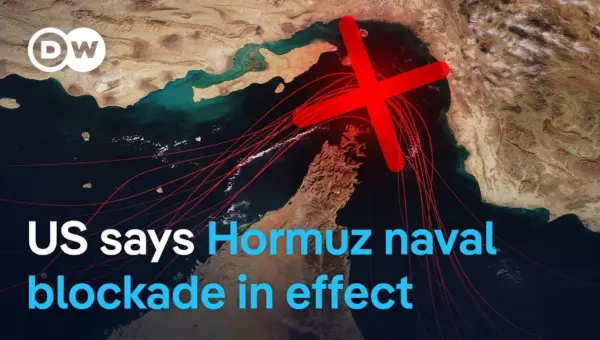
US Navy Blocks Iran’s Sea Trade, Escalating Regional Tensions
The U.S. military has announced a naval blockade on Iran, halting all sea-based trade and asserting control over maritime traffic. This action follows Iran's earlier disruption of the vital Strait of Hormuz. Experts weigh in on the legality, effectiveness, and potential for escalation, with concerns raised about China's role and the strain on U.S. naval resources.