US Tightens Iran Blockade as Peace Talks Loom
The U.S. is maintaining its naval blockade on Iranian ports as peace talks with Iran begin, aiming to pressure the nation into accepting U.S. terms. Iran has threatened to retaliate by blocking key shipping lanes if the blockade continues. While optimism for a resolution exists, deep mistrust and complex regional issues, including Israel's actions in Lebanon, complicate the ongoing negotiations.

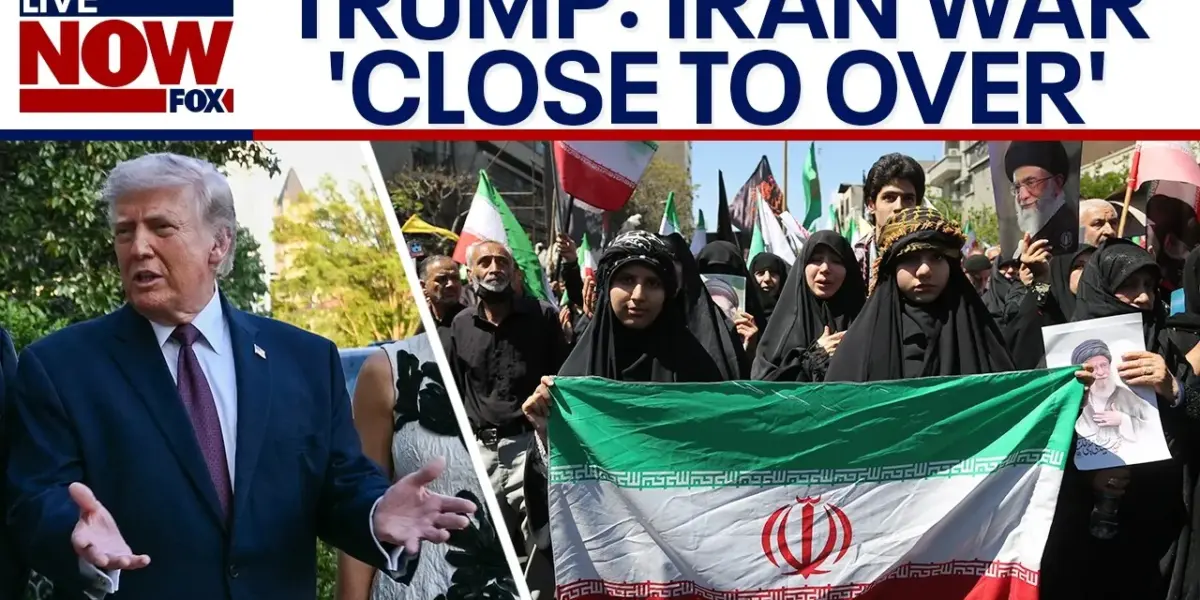
US Maintains Pressure on Iran Amidst Peace Negotiations
As a critical ceasefire deadline approaches, the United States is maintaining its naval blockade of Iranian ports. This move comes as both U.S. and Iranian officials engage in ongoing peace talks, with President Trump expressing optimism about a swift resolution to the conflict. The blockade, designed to cripple Iran’s economy by impacting roughly 90% of its trade, is seen by the U.S. as a key leverage point to secure favorable terms.
Iran Responds to Blockade with Counter-Threats
In response to the U.S. blockade, Iran has issued a stark warning, threatening to block all ship traffic in the Gulf of Oman and the Red Sea if the U.S. maintains its current course. This escalation highlights the high stakes involved in the current geopolitical standoff. Iran’s actions signal a readiness to employ further countermeasures, suggesting they possess additional strategies beyond this immediate threat.
China’s Role in the Iran Conflict
The United States has also sought to involve China in de-escalating the situation. President Trump revealed he sent a letter to Chinese President Xi Jinping regarding reports of China supplying weapons to Iran.
President Trump stated that President Xi responded, denying any such arms shipments. China’s Foreign Minister has publicly criticized the U.S. blockade, calling it dangerous and irresponsible.
However, President Trump believes China is ultimately pleased with the U.S. efforts to secure the Strait of Hormuz. He anticipates a positive reception from President Xi during an upcoming meeting, suggesting that China understands the U.S. goal of weakening Iran and reducing Chinese influence in the Middle East. This diplomatic engagement with China aims to add another layer of pressure on Iran.
Military Buildup and Diplomatic Efforts
In preparation for potential diplomatic failures, the U.S. is reinforcing its military presence in the region. Additional warships, along with thousands of sailors and Marines, are en route to the area.
This military buildup provides President Trump with a range of options should the peace talks falter. The deployment signals a serious commitment to achieving U.S. objectives, whether through negotiation or force.
Peace Talks Face Deep Mistrust and Complexity
Graham Slatterie, speaking for Reuters, noted that while progress is being made, a resolution is not imminent. He indicated that ongoing talks, facilitated by Pakistan and other regional intermediaries, are moving closer to an agreement.
However, significant gaps remain, and officials are expected to return to Islamabad for further discussions. Slatterie described the initial direct negotiations between the U.S. and Iran as a complex undertaking, given the long history of mistrust.
The issues at hand are extensive, encompassing Iran’s nuclear program, its regional proxies, and missile development. Slatterie emphasized that it was unlikely any comprehensive agreement would emerge from a single meeting.
The deep-seated mistrust between the two nations, compounded by recent conflicts, makes a quick resolution challenging. Both sides are reportedly sending officials back to Islamabad for what might be a final round of talks.
Iran’s Negotiating Tactics and U.S. Concerns
U.S. officials view Iran as a highly skilled negotiator, particularly adept at delaying tactics. This strategy is a source of concern for the American delegation.
Reports suggest the U.S. proposed a 20-year moratorium on Iran’s nuclear activities. However, some within the U.S. administration question whether this timeframe is sufficient, given Iran’s long-standing regime and the history of previous nuclear agreements like the JCPOA.
Israel’s Role Complicates Negotiations
The involvement of Israel, a key U.S. ally, adds another layer of complexity to the negotiations. While the U.S. and Israel share overlapping interests, their approaches can differ.
A significant point of tension arises from Israel’s military operations in southern Lebanon, an area where Hezbollah, an Iranian proxy, holds considerable influence. The U.S. reportedly has little appetite for this conflict, while Israel sees it as a strategic necessity.
This divergence creates a sticking point in the U.S.-Iran talks. While there’s no indication of dissatisfaction between President Trump and Israeli Prime Minister Netanyahu, Israel’s campaign in Lebanon complicates the broader diplomatic effort. The situation highlights the intricate web of alliances and conflicts influencing the path to peace.
Source: US military maintains Iranian blockade with peace talks set to begin (YouTube)

Related Articles

Iran Talks Resume as Trump Faces Costly Compromise
Renewed diplomatic efforts are underway as the U.S. and Iran engage in talks aimed at de-escalating rising tensions. Reports suggest a potential deal mirroring past agreements, focusing on limiting Iran's uranium enrichment. This comes after a period of conflict that saw significant costs and damaged U.S. global standing.


Bitcoin Surges as Iran Leverages Crypto Amidst US Sanctions
Bitcoin's price surged past $75,000 amid reports of Iran leveraging the cryptocurrency for billions in transactions and facing US sanctions. Meanwhile, Elon Musk's X platform launched a new crypto and stock feature powered by Solana, sparking debate on Bitcoin's origins and decentralization.

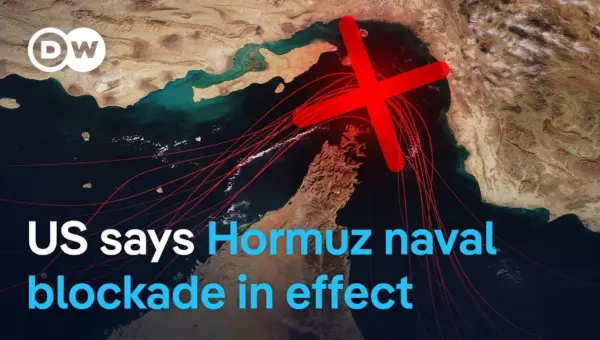
US Navy Blocks Iran’s Sea Trade, Escalating Regional Tensions
The U.S. military has announced a naval blockade on Iran, halting all sea-based trade and asserting control over maritime traffic. This action follows Iran's earlier disruption of the vital Strait of Hormuz. Experts weigh in on the legality, effectiveness, and potential for escalation, with concerns raised about China's role and the strain on U.S. naval resources.