EU Faces Trade Uncertainty After US Tariff Ruling
Europe is facing increased trade uncertainty following a US Supreme Court tariff ruling. While the decision signals legal stability, ongoing US tariff hikes and the potential collapse of a trade deal threaten European manufacturers, especially in the automotive sector.

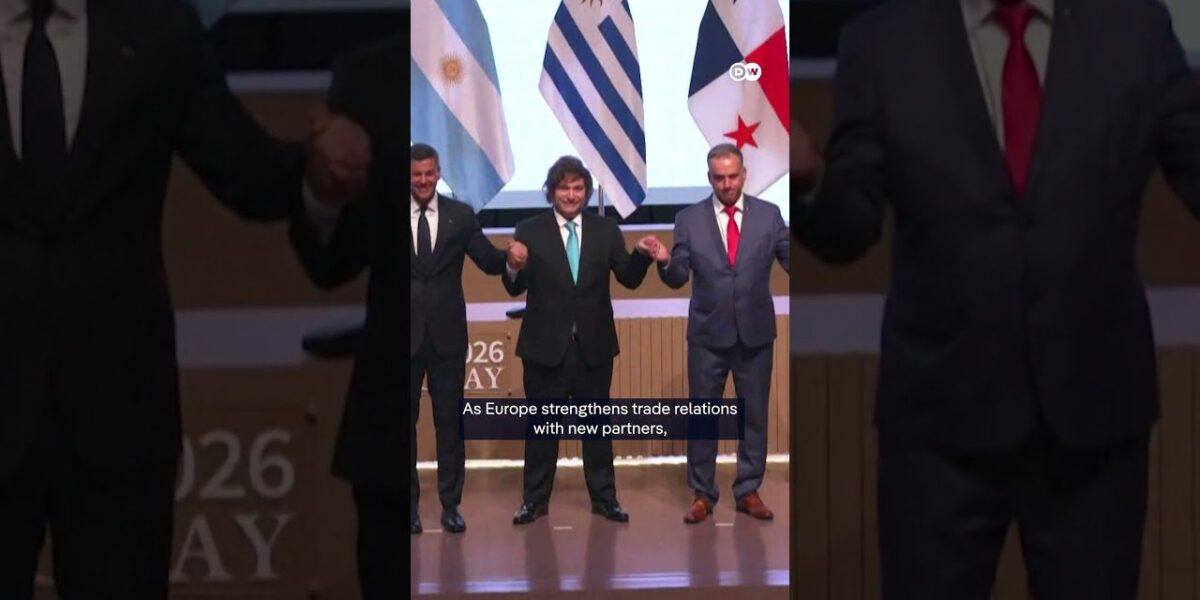
EU Navigates New Trade Landscape Post-US Tariff Ruling
Europe is grappling with a complex mix of confusion and dismay following a recent US Supreme Court decision regarding tariffs. While the ruling itself is being met with a sense of relief that the rule of law in the US is functioning, it has simultaneously cast a shadow of uncertainty over future trade relations, particularly as the United States continues to implement new tariff measures.
Tariffs Remain, Impact Lingers
Despite the court’s decision, many EU manufacturers find themselves in a precarious position. The core tariffs on crucial goods such as steel, aluminum, cars, and car parts largely remain in effect. However, the broader impact stems from what is described as President Trump’s “reactionary policymaking.” The day after the ruling, the US announced a new 10% global tariff, which was subsequently raised to 15% within 24 hours. This rapid escalation of trade barriers has created significant disruption.
“Our members don’t know which part tariffs they have to pay right now. This uncertainty is exactly what’s toxic to our environment.”
Economists warn that this volatile trade environment is likely to deter investment and dampen private consumption in the short to medium term. The unpredictability makes it difficult for businesses to plan and commit to long-term projects, leading to a potential slowdown in economic activity.
A Glimmer of Legal Stability Amidst Economic Turmoil
On a positive note, the US Supreme Court’s decision has been interpreted as a signal that the American legal system continues to operate. This aspect of the ruling provides a degree of reassurance to European leaders, reinforcing the importance of established legal frameworks in international dealings. While this offers some comfort, it does little to alleviate the economic anxieties stemming from the ongoing tariff disputes.
EU-US Trade Deal in Doubt, Risks Abound
The ruling has inadvertently thrown the future of a potential EU-US trade deal into question. Some European lawmakers may now feel emboldened to further postpone negotiations, potentially seeking greater leverage or reassessing the benefits of such an agreement in light of current trade tensions. However, this approach carries significant risks.
Europe remains heavily reliant on the US market and specific US imports. As the EU seeks to diversify its trade relationships by strengthening ties with new partners, its dependence on the United States for certain critical sectors persists.
“Europe still has no alternative to digital services coming from the US. Europe still needs American LG imports in order to get the energy done here.”
Experts caution against escalating economic conflict with the US. Entering into a trade war without robust alternatives could have severe consequences for European economies. The transcript highlights specific vulnerabilities:
- Steel and Aluminum Tariffs: Even under a hypothetical new deal, EU exports of steel and aluminum are expected to face a 50% tariff.
- Automotive Sector Vulnerability: The existing 15% levy on cars and car parts remains a significant concern. This rate could escalate dramatically if the trade deal collapses entirely, posing an existential threat to the region’s auto manufacturers, who are already navigating a challenging market landscape.
Looking Ahead: Navigating Uncertainty
The coming months will be critical for the European Union as it seeks to mitigate the fallout from the US tariff ruling and the subsequent policy shifts. Key areas to watch include the progress of negotiations for a potential EU-US trade deal, the EU’s efforts to diversify its trade partnerships, and the resilience of its key industries, particularly the automotive sector, in the face of ongoing trade volatility. The ability of European leaders to balance the need for legal certainty with the imperative of economic stability will be paramount.
Source: EU braces for more uncertainty after tariff ruling | DW News (YouTube)

Related Articles

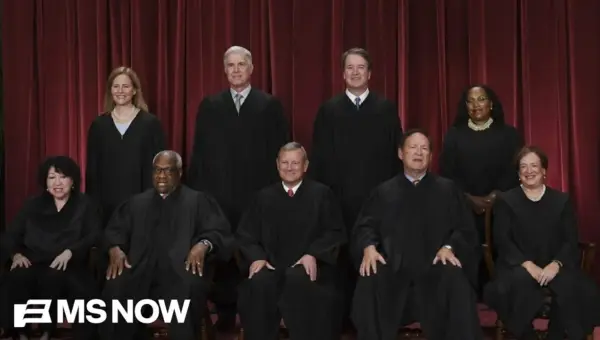
Supreme Court’s Legitimacy Tested: A Look Inside
The Supreme Court is increasingly seen as the "last branch standing" to resolve national disputes, a role that strains its legitimacy. Author Sarah Isker's new book, 'Last Branch Standing,' examines the court's internal dynamics and its complex relationship with public opinion and other branches of government.
Justice Dept. Fails in Bid for Voter Data
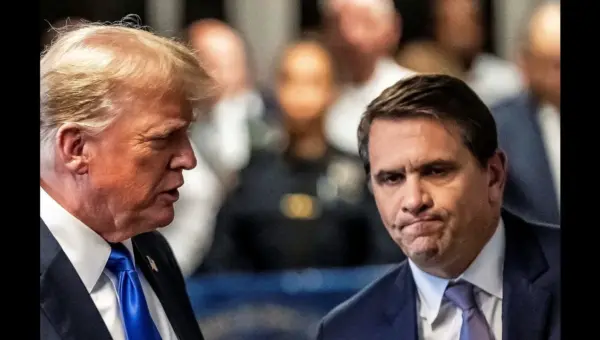
The Justice Department is facing significant legal defeats in its efforts to obtain sensitive state voter data. Despite numerous lawsuits, the department has lost every case on its merits, raising concerns about its motives and strategy. The legal battles are now heading towards higher courts, including the Supreme Court.

Calls Mount to Oust Justices Amid Ethics Crisis
Calls are growing to impeach Supreme Court Justices Clarence Thomas and Samuel Alito over alleged ethical lapses involving luxury trips and undisclosed gifts from donors. The debate highlights the lack of mandatory ethics rules for the court and the crucial role of the upcoming Senate elections in shaping its future.