Vance Clashes with Pope Over ‘Wielding the Sword’
Senator J.D. Vance publicly challenged Pope Leo XIV's view on faith and warfare, stating that followers of Christ can indeed be on the side of those who "wield the sword." Speaking at a Turning Point USA event, Vance referenced the liberation of France from Nazis as an example of divinely supported action. This exchange occurs amidst ongoing Vatican-US discussions about the war in Iran.

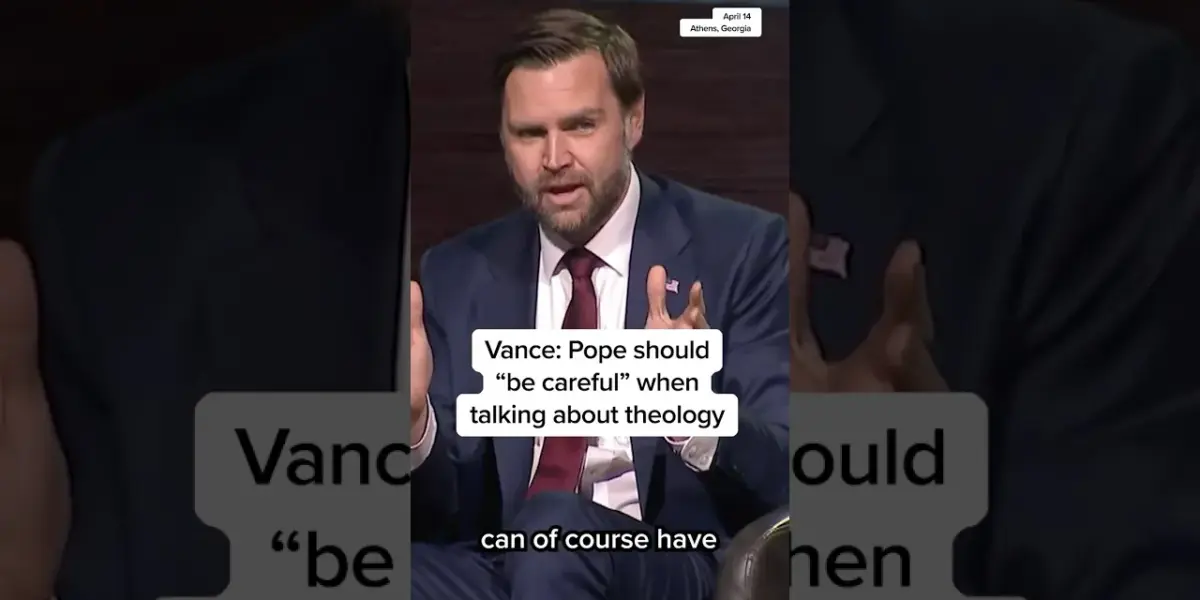
Vance Challenges Pope on Faith and Warfare
Senator J.D. Vance has publicly disagreed with Pope Leo XIV, the first American-born pontiff, regarding the role of faith in times of conflict. Speaking at a Turning Point USA event, Vance stated that the Pope was mistaken in his assertion that followers of Christ are never on the side of those who “wield the sword.” This exchange highlights a growing debate about religious principles and international conflict.
The Vice President’s remarks come amid ongoing discussions between the White House and the Vatican concerning the war in Iran. Vance specifically questioned whether divine support was with the Americans who liberated France from the Nazis. He expressed his belief that God was indeed on their side.
Interpreting Divine Will in Conflict
Vance’s comments suggest a different interpretation of religious doctrine when applied to historical and contemporary conflicts. He seems to believe that certain actions, even those involving force, can be aligned with divine will. This perspective contrasts sharply with the Pope’s more pacifist stance.
The Pope’s view implies that true disciples of Christ should actively avoid involvement in violence and warfare. This theological position often draws upon scripture and tradition that emphasize peace and non-violence. However, Vance’s counterpoint suggests a pragmatic approach, perhaps arguing that self-defense or the defense of others can be a morally justifiable, even divinely sanctioned, act.
Historical Context and Religious Justification
The debate echoes historical arguments about divine right and the justification of war. Throughout history, leaders have often invoked God’s favor to legitimize military actions.
Vance’s reference to the liberation of France during World War II is a potent example of this. Many at the time saw the Allied forces as instruments of a just cause against a tyrannical regime.
This historical event is often cited as an example of a ‘just war,’ a concept in theology and philosophy that outlines conditions under which armed conflict may be morally permissible. Vance appears to be aligning himself with this interpretation, suggesting that the fight against Nazism was a righteous endeavor that had divine backing.
The Pope’s Stance and Vatican Diplomacy
Pope Leo XIV, in his capacity as the head of the Catholic Church, often speaks on matters of peace and morality. His position that followers of Christ should not be aligned with those “wielding the sword” reflects a deep-seated religious teaching. This teaching emphasizes the sanctity of life and the pursuit of peace as core tenets of the faith.
The Vatican’s involvement in discussions about the war in Iran signals its continued engagement with global geopolitical issues. The Holy See frequently advocates for diplomatic solutions and de-escalation of conflicts. The Pope’s statements are typically aimed at promoting peace and understanding between warring parties.
Vance’s Political Platform
Senator Vance, a prominent figure in American politics, has often spoken on issues of faith, culture, and foreign policy. His remarks at the Turning Point USA event, an organization known for its conservative activism, likely resonate with a segment of the population that shares his views.
His willingness to publicly challenge the Pope indicates a confidence in his own interpretation of religious principles and their application to current events. This public discourse between a high-ranking political official and the head of a major global religion is notable. It highlights the complex relationship between faith, politics, and international affairs.
Broader Implications of the Debate
The exchange between Vance and Pope Leo XIV raises broader questions about how religious beliefs should inform political action and international policy. It prompts consideration of whether religious leaders should engage in political commentary and how their words are received by political figures.
This dialogue also highlights the diversity of thought within religious communities themselves. Not all adherents of a faith may interpret its teachings in the same way, especially when applied to complex modern issues like warfare. The differing viewpoints presented by Vance and the Pope reflect this internal diversity.
Looking Ahead
As discussions around global conflicts continue, the interplay between religious values and political actions will remain a significant topic. The Vatican’s ongoing diplomatic efforts and statements from political leaders like Senator Vance will likely shape public understanding and debate.
Future statements from both the Pope and political figures may offer further insight into how faith and foreign policy are intended to intersect. Observers will be watching to see if this theological debate influences policy discussions or public opinion on the ongoing conflict in Iran.
Source: Vance: Pope should 'be careful' when talking about theology (YouTube)

Related Articles
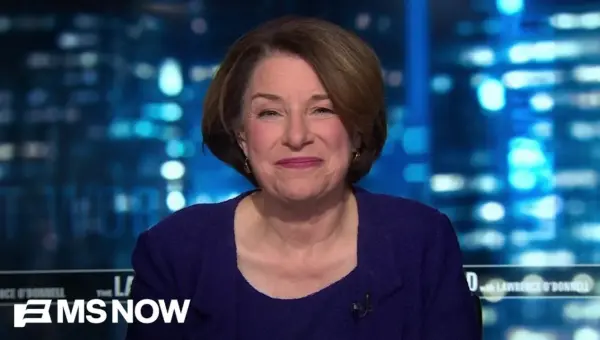
Trump’s Iran War Costly for Americans, Senator Says
Senator Amy Klobuchar argues that Donald Trump's war in Iran is directly costing Americans more money, citing rising gas prices and increased costs for goods like fertilizer. She believes the billions spent on the conflict could instead fund crucial domestic programs like healthcare extensions and affordable housing initiatives.
GOP Betrays Voters by Backing Costly Iran War
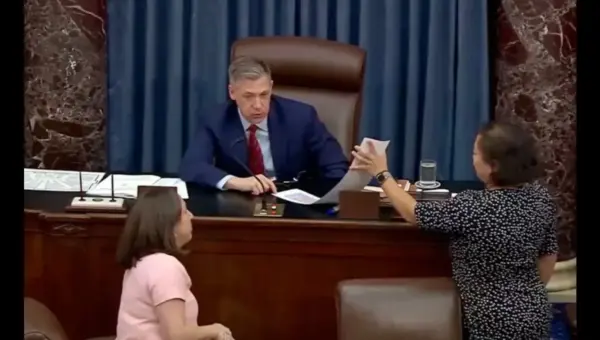
Republicans in the Senate voted to continue military actions in Iran, despite widespread public disapproval and rising domestic costs. This decision, seen as prioritizing party loyalty over voter concerns, could have significant consequences in upcoming elections.
Pope Challenges Trump on Iran War, Urges Peace
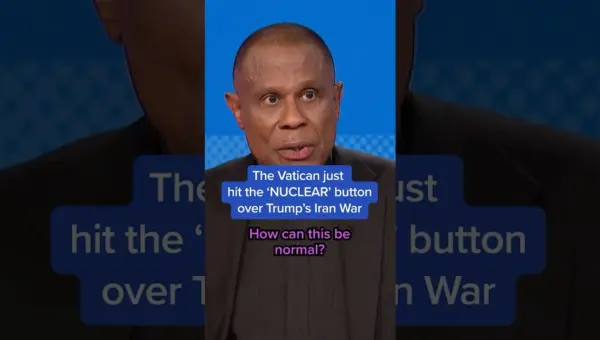
Pope Leo XIV has publicly urged Americans to contact their representatives and demand peace, directly challenging President Trump's stance on Iran. Father Bryan Massingale of Fordham University explained the Catholic Church's long-standing opposition to 'wars of choice.' This intervention highlights the Vatican's significant moral influence on international relations.