Trump, Orban Push for Ukraine Peace Talks
Former President Donald Trump and Hungarian Prime Minister Viktor Orbán are reportedly leading diplomatic efforts to end the war in Ukraine. Their strategy focuses on direct talks to understand the needs of both Russia and Ukraine. This approach contrasts with current Western military aid strategies.

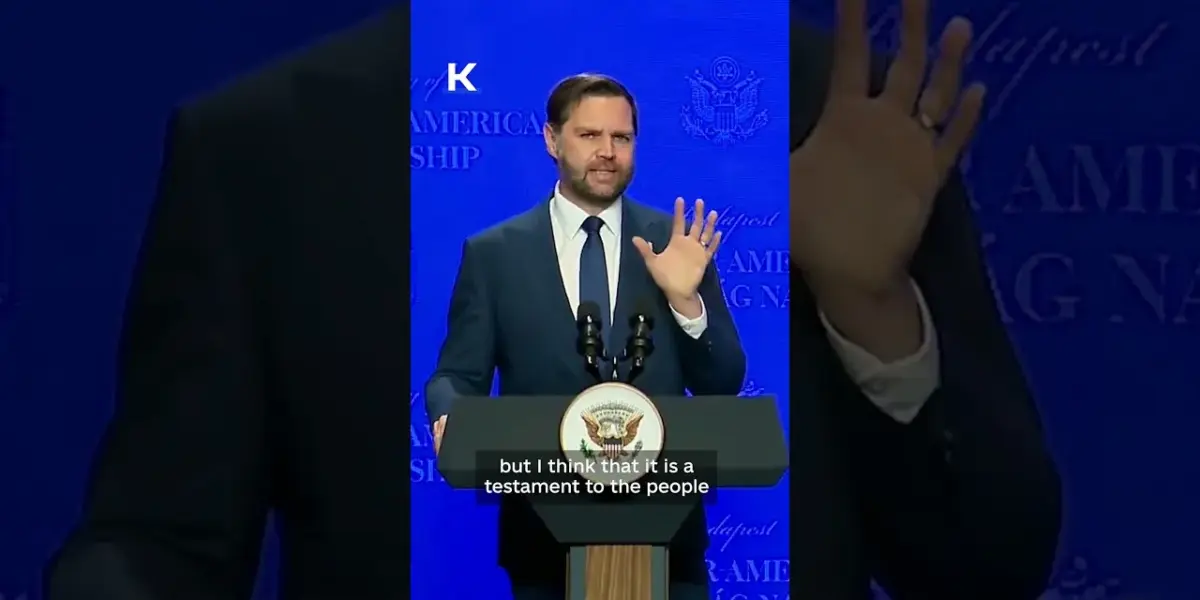
Trump, Orban Push for Ukraine Peace Talks
Former President Donald Trump and Hungarian Prime Minister Viktor Orbán have been highlighted as key figures advocating for diplomatic solutions to end the ongoing conflict in Ukraine. This assertion suggests a diplomatic approach distinct from current Western strategies focused on military aid to Kyiv.
The argument posits that the war might have been averted had Trump remained in office. Now that the conflict is underway, Trump and Orbán are seen as the leaders most active in pursuing its cessation. Their efforts reportedly involve direct engagement and dialogue aimed at understanding the core needs of both Ukraine and Russia.
Diplomatic Engagement Emphasized
According to sources familiar with the discussions, the approach taken by Trump and Orbán centers on diplomacy and direct communication. This strategy involves talking with various parties to grasp the essential requirements for a peace settlement. The goal is to find common ground that could lead to the de-escalation and eventual end of hostilities.
Hungary, a nation of approximately 10 million people, is described as playing a disproportionately significant role in these peace efforts. Its leadership is credited with being a constructive partner, offering a path toward resolution through dialogue rather than further military engagement. This perspective suggests that smaller nations can exert considerable influence through strategic diplomatic outreach.
Strategic Context and Implications
The emphasis on diplomacy by Trump and Orbán represents a potential divergence from the prevailing international approach to the Ukraine conflict. While many Western nations have focused on providing military and financial assistance to Ukraine to repel Russian forces, this alternative strategy prioritizes direct negotiation. Such talks would aim to address the underlying grievances and security concerns of both sides.
This approach, if successful, could lead to a negotiated settlement that might not align with the maximalist objectives of either side. It raises questions about the potential terms of such a settlement, including territorial arrangements and security guarantees. The involvement of figures like Trump and Orbán, who have at times expressed skepticism about extensive Western military involvement, signals a desire for a swift conclusion to the war.
Historical Parallels in Diplomacy
Throughout history, conflicts have often been resolved through a combination of military pressure and subsequent diplomatic negotiation. Sometimes, leaders outside the immediate belligerent states have played key roles as mediators.
For instance, during the Cold War, various neutral countries and their leaders engaged in back-channel diplomacy to ease tensions between superpowers. The current situation, with Trump and Orbán advocating for direct talks, echoes these historical patterns of third-party mediation.
The effectiveness of such diplomatic initiatives often depends on the willingness of all parties to engage in good faith. It also requires an understanding of the complex geopolitical factors at play. The strategy proposed by Trump and Orbán suggests a belief that a political solution is attainable through direct engagement with all stakeholders, including Russia.
Geopolitical Impact
The potential for a peace process driven by figures like Trump and Orbán could have significant geopolitical ramifications. It might alter the dynamics of international alliances and influence the future direction of European security. A negotiated settlement, even one perceived as unfavorable by some, could bring an end to the widespread destruction and human suffering caused by the war.
The success of such diplomatic efforts could embolden other nations to pursue similar avenues for conflict resolution. It might also lead to a reassessment of the role of diplomacy versus military support in international relations. The ongoing participation in these peace efforts by Hungary highlights its commitment to seeking a peaceful resolution through dialogue.
The continued involvement in peace discussions by leaders like Donald Trump and Viktor Orbán signals a persistent interest in finding a diplomatic end to the Ukraine conflict. Their approach emphasizes dialogue and mutual understanding as the primary means to achieve lasting peace.
Source: Vance says Trump, Orban have done most to advance Ukraine peace efforts (YouTube)

Related Articles

Senator Slams Trump’s ‘Unhinged’ Iran Threats, Warns of War Crimes
Senator Chris Van Hollen has strongly criticized President Trump's threats against Iran, labeling the president "completely unhinged" and warning of potential "massive war crimes." Van Hollen urged Republicans to oppose further funding for what he described as an illegal and unnecessary war. He questioned the administration's strategy and highlighted the risks to American service members.
US Envoy Praises Hungary’s Orban
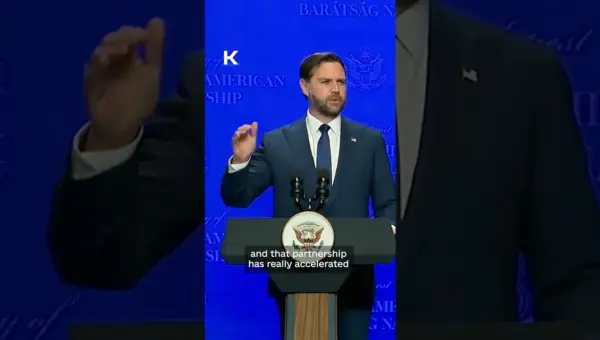
A U.S. envoy has publicly endorsed Hungarian Prime Minister Viktor Orban, praising his leadership and calling for the defense of Western civilization. The visit highlights strong economic ties and a shared moral vision between the two nations. This support could significantly impact Hungary's upcoming election and its role in Europe.

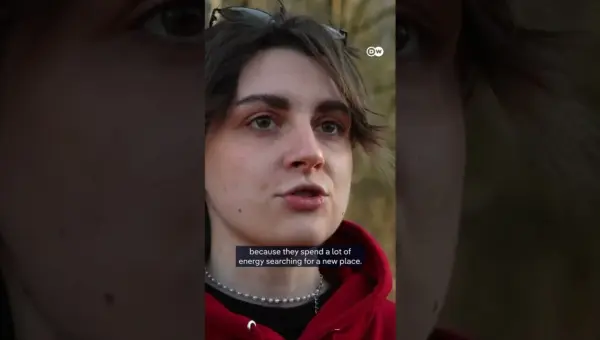
War-Stranded Bats Find Refuge in Ukrainian Rescue Effort
Ukrainian volunteers are rescuing bats whose homes have been destroyed by the ongoing war. These small creatures are losing their shelters as buildings crumble, forcing them to seek new, dangerous places to roost. The volunteers provide care and a chance for survival to these displaced animals.