Russia’s War Costs Strain Putin’s Elite Bargain
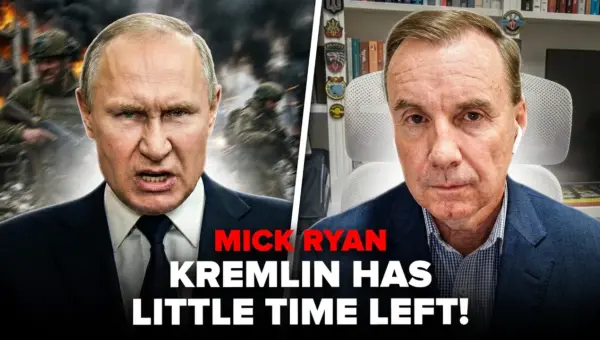
Russia's prolonged war in Ukraine is straining President Putin's grip on power. Declining oil revenues and escalating military costs are forcing internal power shifts, with intelligence services reportedly gaining influence. This financial pressure is creating significant discontent among the elite and risking broader instability within the Kremlin.

Russia’s War Costs Strain Putin’s Elite Bargain
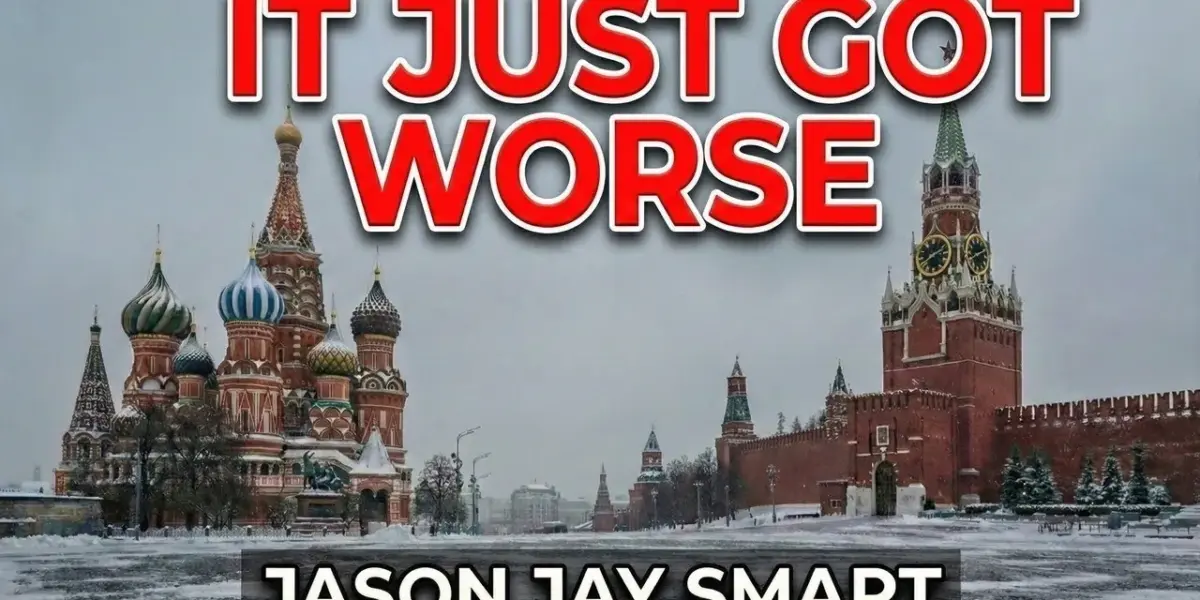
The Kremlin’s ability to maintain control is facing new challenges as the economic burden of the ongoing conflict in Ukraine grows. For years, President Vladimir Putin managed Russia by distributing resources and power among key factions: the military, the oligarchs, and the security services. This system, however, is now under severe pressure as war expenses rise and oil revenues decline.
Internal Tensions Rise as Funds Shrink
The Kremlin’s strategy of appeasing powerful groups through financial incentives is faltering. Generals received funding and a degree of insulation from battlefield setbacks. Wealthy oligarchs enjoyed state protection for their businesses and profits. Security chiefs expanded their influence, often at the expense of others. However, dwindling oil revenues, reportedly down 45% this year, are forcing a significant tightening of this arrangement. This financial strain is directly contributing to increased internal friction within Russia.
Reports indicate a rise in conflict between the military and intelligence agencies. The oligarchs, who once aligned closely with Putin, are showing signs of disaffection. This shift suggests the system Putin built, described by some analysts as a form of economic scheme reliant on continuous funding, is beginning to unravel as the money flow slows.
Mounting Battlefield Losses Exacerbate Economic Woes
The war in Ukraine is exacting a heavy human and financial toll on Russia. While official figures vary, some estimates suggest staggering losses. One analysis points to over 1.3 million soldiers killed or injured over a prolonged period, with daily casualties reportedly averaging 278 in the first quarter of this year. This equates to roughly one Russian soldier lost every five minutes.
The cost of acquiring territory has also dramatically increased. In early 2024, Russia was losing one soldier for every 16,900 meters gained. By March, this ratio had worsened significantly, with one soldier lost for every 5,200 meters gained. This increased cost in both lives and resources, coupled with a decline in new military recruits, highlights the unsustainable nature of the current military campaign. Recruitment has reportedly fallen from around 1,200 daily to approximately 800.
Intelligence Services Gain Influence Amidst Economic Downturn
As the financial squeeze intensifies, the intelligence services, particularly the FSB, appear to be consolidating power. They are reportedly targeting military leaders and oligarchs, pressuring them for funds and assets. Over 17 Russian generals have allegedly been arrested since the war began. The intelligence apparatus is also reportedly expanding its reach into key industries, particularly those related to military production.
Companies like Rostec, which produces a significant portion of Russia’s weaponry, have seen revenue increases, benefiting from substantial military spending. This creates a protected circle of elites close to the Kremlin who profit from the war effort, even as the broader economy struggles. A third of Russians reportedly lack sufficient funds for food, yet military expenditure remains a priority.
External Pressures and Internal Discontent
Ukraine’s actions are also contributing to Russia’s economic difficulties. Attacks on oil infrastructure have disrupted significant export capacity, impacting state revenues. Russia’s response, including printing money, has led to rising inflation. The Central Bank of Russia has forecast a modest current account surplus, which appears insufficient for the country’s extensive war spending. This financial vulnerability means the system could be easily destabilized by further shocks.
Signs of public discontent are emerging, including rare large-scale protests by Chinese workers in Eastern Russia over unpaid wages. The Russian government faces a dilemma in suppressing these protests, as it risks alienating Beijing, a crucial trading partner. The oligarchs’ reluctance to contribute further to the war effort also signals a growing disconnect between the elite and Putin’s objectives. This internal dissent, combined with the external pressures of the war and sanctions, suggests a system nearing a breaking point.
Strategic Implications
The increasing financial strain and internal power struggles within Russia have significant strategic implications. Putin’s traditional method of maintaining loyalty through patronage is becoming unsustainable. As resources dwindle, competition among powerful factions for control and remaining funds is likely to intensify. This could lead to further instability within the Russian government and security apparatus.
The war’s escalating costs, combined with reduced oil revenues, are forcing difficult choices. Prioritizing military spending means less available for other state functions and social programs, potentially fueling broader public discontent. The intelligence services’ growing influence may reshape Russia’s internal power dynamics, potentially leading to a more repressive state apparatus focused on resource extraction to fund the war. Furthermore, the growing dissatisfaction among the elite, who face personal financial risks and potential state seizure of assets, could create internal pressure for a change in leadership or policy, even if such actions are currently viewed as long shots.
Source: Putin Can No Longer Afford Loyalty (YouTube)

Related Articles
US Halts Iranian Trade: Peace Talks Loom Amidst Global Tensions
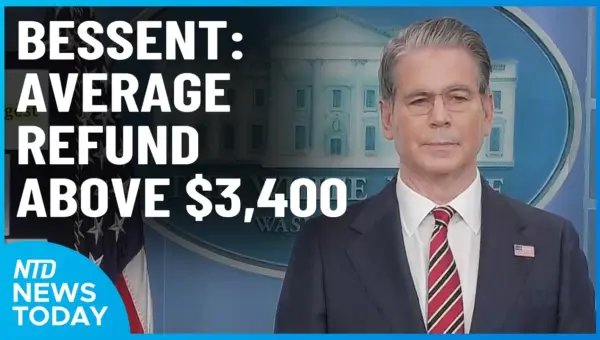
The U.S. has implemented a blockade on Iranian maritime trade, aiming to pressure the nation while simultaneously suggesting peace talks could be imminent. This move occurs alongside complex international relations, including China's involvement and ongoing regional conflicts. Domestically, the administration is highlighting significant tax refunds and economic relief measures for Americans and small businesses.

US Navy Blockade Tightens Grip on Iran’s Oil
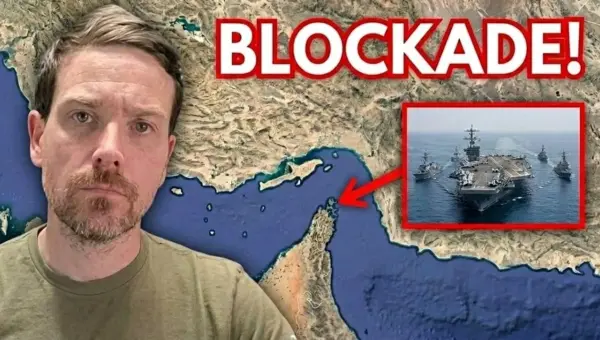
The US Navy has imposed a strict blockade on Iranian ports, aiming to cripple the nation's oil exports and economy. With warships enforcing the closure, Iran faces significant financial pressure. The long-term effectiveness and potential for escalation remain key concerns.
Ukraine Strikes Russian Oil, Army Pushes Westward
Ukraine's spring offensive is underway, with Ukrainian forces making gains and forcing difficult choices for the Russian army. Meanwhile, Ukraine has intensified drone strikes on Russian oil infrastructure, aiming to cut off war funding. International interest in Ukraine's drone technology is growing, potentially reshaping global defense markets.