The Price of Attention: Two Fatal Pursuits of Fame
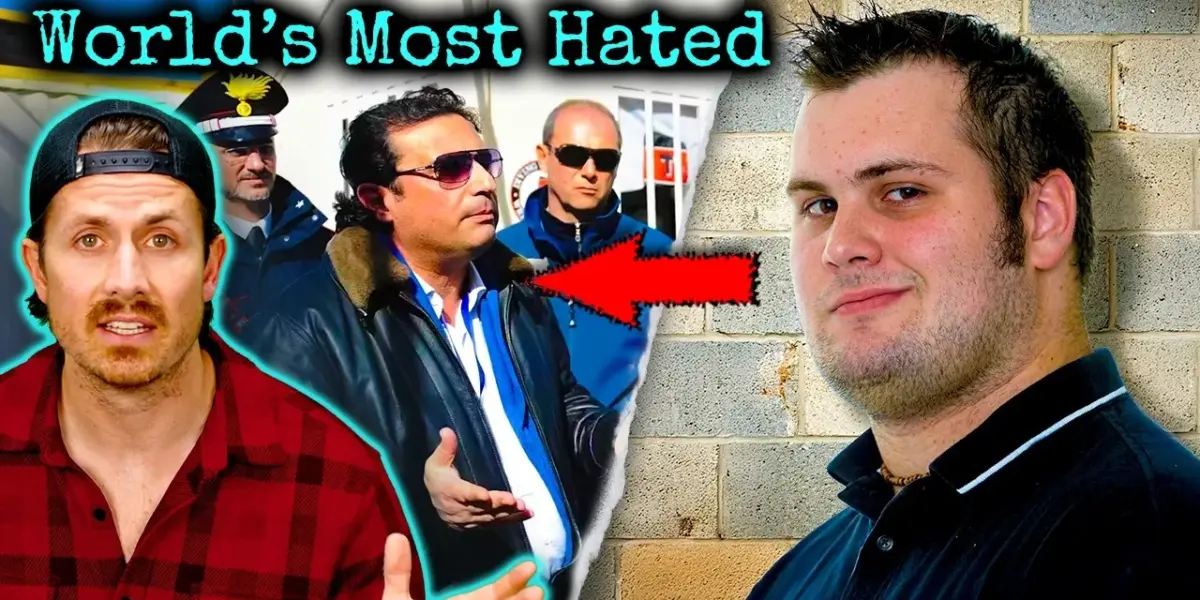
Two men, Derek Keeper and Francesco Schettino, pursued attention and validation, resulting in tragic outcomes. Keeper died in a car crash due to his anti-seatbelt stance, while Schettino's reckless actions as a cruise ship captain led to a deadly shipwreck. Their stories serve as cautionary tales about the pursuit of recognition and the severe consequences of poor judgment.

The Price of Attention: Two Fatal Pursuits of Fame
Some people crave attention, seeking validation through grand gestures or controversial statements. For Derek Keeper and Francesco Schettino, this desire for recognition led to devastating consequences, turning fleeting notoriety into tragic and infamous legacies.
Derek Keeper: A Column’s Deadly Conviction
In September 2004, 20-year-old Derek Keeper was a whirlwind of activity at the University of Nebraska Lincoln. He juggled a fraternity, student government, research, and five majors, all while meticulously crafting his weekly column for the student newspaper, The Daily Nebraskan. This column was his passion, a platform to voice his strong opinions on complex issues like the war in Iraq and political matters. Derek reveled in sparking debate, often using a sarcastic and blunt tone that he knew provoked strong reactions and even hate mail from readers. This was, in his view, a sign of success.
His most recent article, published on September 17th, 2004, focused on individual freedoms and government overreach. Derek passionately argued for the abolition of laws that controlled personal choices, particularly regarding one’s body and personal safety. He believed that the fundamental right of an American was the freedom to make one’s own decisions, even if those choices carried personal risks. The column concluded with a line that gave him chills: “I just wish we could keep the government out of our pocketbooks and out of our personal decisions.” He felt he had perfectly captured his stance.
The article indeed stirred anger, but Derek saw this as proof of its impact. He hoped his writing would inspire action. The rest of the semester was a blur of studies and writing. Returning to campus after Christmas break on January 4th, 2005, Derek was in the backseat of an SUV with two fraternity brothers driving back from Texas. The long, 13-hour drive had lulled everyone into a weary silence in the early morning hours.
As they neared campus, driving on a snowy Interstate 80 in Nebraska, the SUV suddenly lurched. A deafening bang and screams followed. A police officer arriving on the scene found an overturned SUV in a ditch. While the two front-seat passengers, who were wearing seat belts, sustained non-life-threatening injuries, the third passenger, Derek, was found on the ground, his body severely mangled. Tragically, Derek had been riding without a seat belt, adhering to his deeply held belief that buckling up should be a personal choice, not a government mandate. His final, most controversial article had, in a grim twist of fate, become his most famous, as he lived and died by his convictions.
Francesco Schettino: A Captain’s Fatal Showmanship
On the evening of January 13th, 2012, Francesco Schettino, the 51-year-old captain of the massive cruise ship Costa Concordia, was enjoying a leisurely dinner with his girlfriend, Domikica, at a resort on Italy’s Tuscan coast. Though he was supposed to be working, Schettino, who had risen from security guard to oversee the enormous resort, relished his position of power and importance. He believed his staff’s complaints about his showmanship stemmed from jealousy.
Schettino decided to impress Domikica, with whom he had been in a whirlwind romance, by orchestrating a “salute.” This was a common local tradition where a resort would flash its lights and play music for the nearby town of Giglio. However, for a ship of the Concordia’s size, a salute meant steering dangerously close to shore. Schettino, who had left his glasses at dinner, relied on a staff member to read him the necessary information, possibly impaired by alcohol and certainly distracted by his desire to impress his girlfriend. He gave the order to proceed with the salute.
From the ship’s operations center, Schettino watched as the plan unfolded. But as he peered at the lights of Giglio, he saw a large shape in the darkness approaching rapidly – a cluster of rocks. By then, it was too late. The Costa Concordia struck the rocks, tearing a massive hole in its hull and causing the ship to flood.
Chaos erupted. Inside the ship, guests like American tourist Brian Ao and his family experienced violent shaking, falling debris, and terrifying darkness. Schettino, however, delayed issuing an evacuation order for over an hour, reportedly telling passengers it was merely an electrical outage. When he finally did order an evacuation, he abandoned his post, violating a fundamental maritime law that requires the captain to be the last to leave the ship. The ship listed heavily, with many passengers forced to jump from upper decks to escape the rising water. Schettino was eventually rescued, having left behind over 4,200 people, including 32 who would perish.
The Aftermath and Reckoning
Derek Keeper’s death served as a stark, tragic reminder of the potential consequences of deeply held beliefs when they clash with physical reality. His story became a cautionary tale about the importance of safety regulations, even those that might feel like an infringement on personal freedom. The debate over individual liberty versus public safety continues, but Derek’s end offered a profound, albeit devastating, illustration of one side of that argument.
Francesco Schettino faced severe legal repercussions. In 2015, he was convicted of multiple manslaughter charges, causing a shipwreck, and abandoning his passengers. He was sentenced to 16 years in prison. The disaster highlighted issues of corporate negligence, safety protocols on cruise ships, and the critical importance of leadership during emergencies. Schettino’s pursuit of a fleeting moment of glory, driven by ego and a desire to impress, resulted in immense loss of life and a permanent stain on his reputation, forever marking him as Italy’s most hated captain.
Source: He became Italy's MOST HATED man (YouTube)

Related Articles


TV Stars’ Dark Secrets: Shocking Crimes Revealed!
Beloved TV stars have been involved in shocking real-life crimes, from sexual assault and fraud to murder. This article explores the disturbing cases of figures like Bill Cosby, Danny Masterson, and the Chrisley family. These scandals shattered public illusions and brought severe legal consequences.


Teens Planned Horrific Ritual Sacrifice To Resurrect Killer
Two Florida high school students, Isabelle Valdez and Lois Liippard, were arrested for allegedly plotting a ritual sacrifice to resurrect mass killer Adam Lanza. An anonymous tip to Fortify Florida exposed their disturbing obsessions and a detailed murder plan targeting a fellow student.

Shoe Print Unmasks Killer in Brutal Highway Murder
A chilling discovery on a secluded North Carolina road led investigators down a path of obsession and brutal violence. A single shoe print on a victim's sweatshirt became the key to unlocking the truth behind Kim Medlin's murder.