China-US Tensions Flare: Blockade Risk Sparks Superpower War Fears
The U.S. blockade in the Strait of Hormuz has intensified tensions with China, raising fears of a potential superpower conflict. Expert Roger Boyes highlights China's use of a "shadow fleet" and military support for Iran, while President Trump attempts a delicate diplomatic approach ahead of a key meeting with President Xi Jinping.

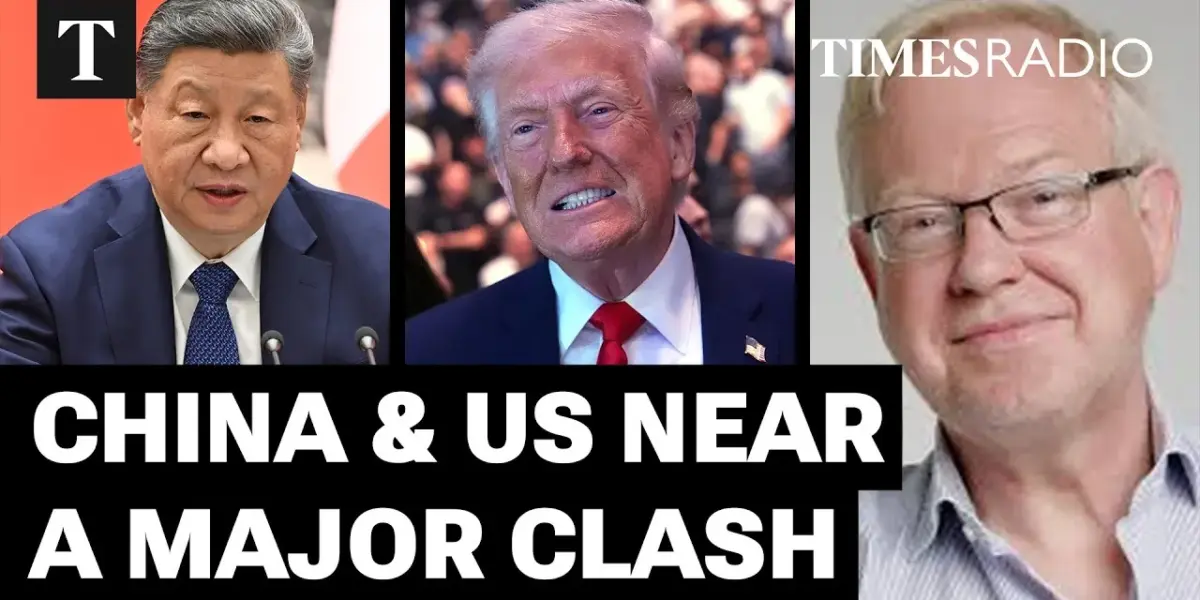
US Blockade in Strait of Hormuz Escalates Tensions with China
The United States Central Command has confirmed that nine vessels have turned back after being directed by U.S. forces to return to an Iranian port. This action is part of an ongoing American blockade in the Strait of Hormuz, a vital waterway for global oil transport. The situation poses a serious problem for China, which relies heavily on oil from the Persian Gulf region. This development comes as President Donald Trump expressed optimism about his upcoming meeting with China’s President Xi Jinping, stating they would greet each other warmly and that China had agreed not to send weapons to Iran. Trump made these remarks on his Truth Social platform, emphasizing cooperation and stating, “We are working together smartly and very well. Doesn’t that beat fighting?” He also added a warning, “But remember, we are very good at fighting if we have to. Far better than anyone else.”
Expert Warns of Potential Armed Conflict
Roger Boyes, diplomatic editor for The Times, shared his concerns about the escalating crisis. He highlighted that most of the oil being blocked by American ships is destined for China. This creates a fundamental tension between the two global powers. Boyes explained that by using force to block these ships, and potentially boarding tankers with Marines, the U.S. is setting the stage for a confrontation. He noted that such a clash, which many expected might occur in the Taiwan Strait, could now happen much sooner, possibly within weeks.
China’s Shadow Fleet and Support for Iran
The complexity of the situation is further revealed by China’s use of a “shadow fleet” to transport oil from the Gulf. Many of these vessels reportedly use “flags of convenience,” with one recent example using the flag of Malawi, a country without a coastline. This tactic is part of China’s strategy to circumvent the blockade and secure its oil supply. Boyes suggested that China, having a significant stake in the outcome of the Iranian-American situation, might be taking sides. Despite Trump’s public statements, evidence suggests China is already providing support to Iran. This includes reports of man-portable air-defense systems being sent to Iran, potentially to target American aircraft, and Chinese satellite tracking data being used to alert Iran to potential U.S. targets. This indicates a concerning escalation, moving beyond mere economic interests.
Military Support and Financial Maneuvers
Further evidence points to China’s military involvement. Reports indicate that China has supplied anti-ship missiles to Iran. Boyes stated that for Iran to effectively counter the U.S. in this scenario, it would only need to inflict damage on a single American destroyer. If Chinese missiles are used to achieve this, it signifies a direct confrontation between Chinese-supplied weaponry and U.S. naval forces. Beyond military aid, China is also facilitating a shadow economy for Iran. This system allows Iran to collect tolls on ships transiting the Strait of Hormuz, with payments made in Bitcoin. Chinese banks then convert this Bitcoin into Chinese Yuan, with Chinese refineries processing the oil. This intricate financial and logistical network highlights China’s deep involvement and its efforts to benefit from the crisis.
Trump’s Diplomatic Balancing Act
Amidst these rising tensions, President Trump is attempting a delicate diplomatic maneuver ahead of his meeting with President Xi Jinping next month. While threatening China with potential sanctions, including hefty tariffs, Trump is also seeking deals. He is bringing his son, Eric Trump, who manages the family’s business interests, on the trip. Boyes commented that while deals may be struck, they might not necessarily be for global peace. He also noted that China’s primary interest is a stable oil supply from the Gulf, which includes multiple Gulf states, not just Iran. Therefore, China’s focus might be more on ensuring freedom of passage rather than solely aiding Iran’s victory. This argument, Boyes suggested, is likely what Trump will present to Xi Jinping during their upcoming discussions.
Looking Ahead: A Precarious Path
The situation in the Strait of Hormuz remains highly volatile. The intertwined economic and military interests of the U.S. and China, coupled with Iran’s strategic position, create a precarious environment. The upcoming meeting between Presidents Trump and Xi will be crucial in determining whether de-escalation is possible or if the current trajectory leads towards a direct superpower conflict. The world will be watching closely to see if diplomatic efforts can avert a crisis with potentially devastating global consequences.
Source: China-US Tensions: How The Blockade Could Trigger A Superpower War | Roger Boyes (YouTube)

Related Articles
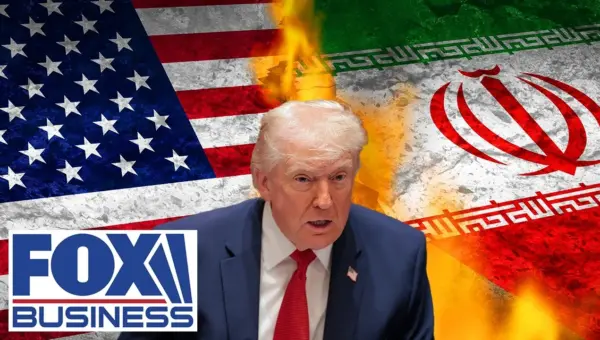
Trump Sees Iran Conflict Near End, Analysts Urge Caution
President Trump believes the conflict in Iran is "very close to over," but former advisor Keith Kellogg urges a cautious approach. The potential de-escalation could impact global markets, particularly oil prices. Investors should monitor the specifics of any resolution and its long-term implications for regional stability.
Doctor Rips Oz, Trump for ‘Lack of Seriousness’ on Health
A doctor has sharply criticized Donald Trump and Dr. Mehmet Oz for spreading health misinformation, calling their approach a "lack of seriousness." The doctor highlighted false claims about diet soda and cancer, and the dangers of appointing unqualified individuals to health agencies. He stressed the critical need for science-based leadership to ensure public well-being.
Iran Deal Looms: Trump Eyes “Grand Bargain” Amid Ceasefire
Former President Trump is reportedly pursuing a "grand bargain" with Iran, leading to optimism about a potential end to the conflict. A ceasefire is in place, and a deal could see billions in Iranian assets unfrozen and sanctions lifted. Meanwhile, European allies are accelerating plans for their own defense capabilities amid uncertainty over U.S. commitment to NATO.