Actors, Producers Slam TV Bosses for ‘Dumbing Down’ Content
Leading actors and TV producers are criticizing broadcasting executives for creating "dumbing down" content that patronizes viewers and caters to distracted, second-screen viewing habits. Concerns are rising that complex storytelling is being sacrificed for easily digestible, risk-averse programming.

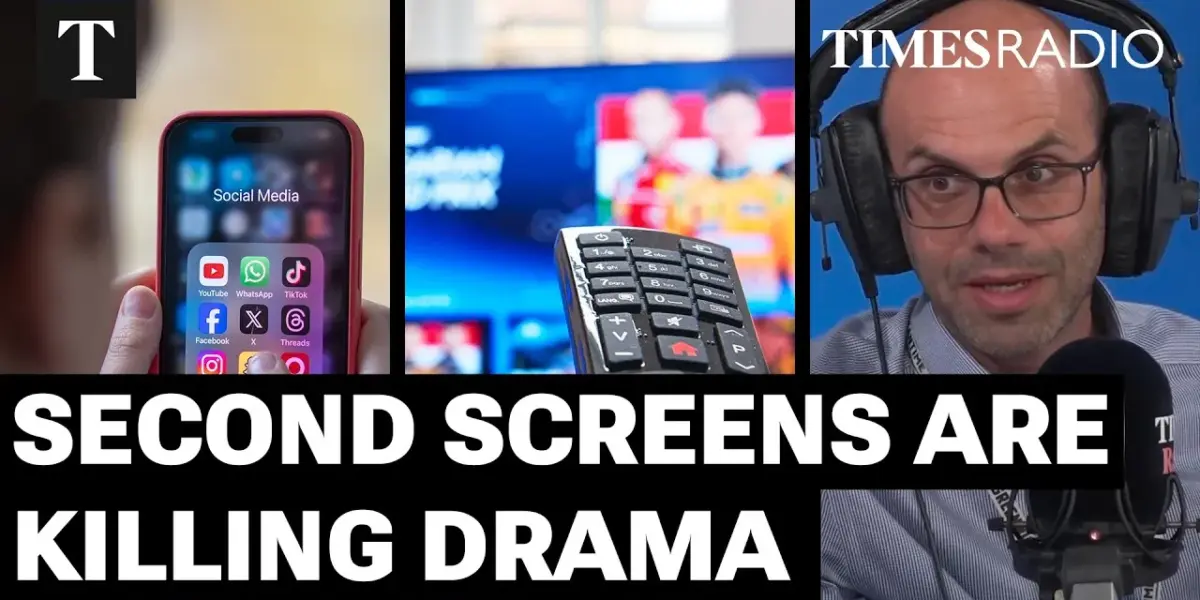
Experts Warn of Patronizing Programming Aimed at Distracted Viewers
Respected actors and TV producers are raising alarms about a perceived “dumbing down” of television programming, accusing network executives of underestimating audiences and creating content that caters to distracted viewing habits. The concern is that shows are being made so viewers can simultaneously scroll through their phones, leading to a decline in complex storytelling and artistic risk-taking.
‘Tasteless, Bland Slop’ or Quality Drama? The Debate Heats Up
Veteran TV producer Steven D. Wright described the current output as “tasteless, bland slop that you won’t choke on that’s being reheated again and again.” He argues that commissioners and broadcasters need to be bolder. This sentiment is echoed by actor Christopher Eccleston, known for his role as Doctor Who. Eccleston directly accuses TV bosses of thinking audiences are stupid and of patronizing viewers.
“A lot of people in television think the audience is stupid.”
Hollywood star Matt Damon voiced similar concerns on The Joe Rogan Experience podcast. He explained how traditional action movie structures, with escalating set pieces, are being abandoned. Now, Damon noted, the focus is on grabbing attention immediately with a big event in the first five minutes. He also suggested that plot points are often repeated in dialogue to ensure viewers can follow along, even when distracted by their phones.
The Rise of ‘Second Screen’ Viewing
Media correspondent Alex Farber of The Times highlighted that while there is still high-quality drama being produced, such as “Mr. Bates versus the Post Office” and “The Crown,” another trend exists. This trend involves programming designed to be watched while simultaneously using a second screen, like a phone. Farber clarified that he wasn’t endorsing this approach but acknowledged it as a reality driven by a desire to keep viewers engaged.
“Executives are going to do everything they can to ensure that people are staying with their dramas,” Farber stated. He added that this trend extends beyond scripted shows, with unscripted television also featuring constant recaps, simplified voiceovers, and viewer warnings. This reflects a broader shift to adapt to how audiences consume content.
Streaming Platforms and Audience Choice
The discussion also touched upon the role of streaming platforms. It was noted that these services offer a vast array of content, allowing viewers to easily find what they seek, whether it’s action-packed blockbusters or simple romantic stories. The argument was made that it’s not a zero-sum game, and thoughtful programming still exists for those who choose it. However, with an overwhelming amount of content available, competition for attention is fierce.
Farber pointed out that classic shows like “Friends” are often played in the background while people do other tasks, a phenomenon not entirely new. Historically, there has always been a mix of high-end drama and more disposable programming. Eccleston’s criticism, therefore, is specifically about the perceived increase in patronizing content in some areas.
Is AI the Culprit?
The potential impact of Artificial Intelligence (AI) on scriptwriting and content creation was also raised. However, Farber suggested that AI is not currently the primary driver behind the perceived dumbing down. He cited the Hollywood writers’ strikes from a couple of years ago, where writers fought against AI encroaching on their jobs. He believes that writers and broadcasters would be hesitant to integrate AI into the core writing process, at least for now.
Instead, Farber attributes the trend more to “risk-averse commissioners” who may be hesitant to greenlight more challenging or original projects.
Conflicting Views from Industry Insiders
While some industry figures agree with the assessment of dumbed-down programming, others report a more optimistic outlook. Producer Steven D. Wright lamented the “reheated” content, urging for more risk-taking. Conversely, a high-end drama executive involved in shows like “Mr. Bates versus the Post Office” reported having “great opportunities to make quality television.” This executive believes there is a strong market for well-written, high-quality programming and that broadcasters do not underestimate their audiences.
This suggests a divided opinion within the industry, with experiences varying depending on who is consulted. The hope remains that high-quality programming will continue to thrive.
The Writer’s Role and Future Concerns
Christopher Eccleston credited writer Jimmy McGovern for his powerful performances, emphasizing the crucial role of strong writing. Eccleston desires to see more visionary writers creating politically charged and poetic programming, believing there is a market for such work. The conversation concluded with a broader reflection on dwindling attention spans potentially shaping all art forms, making complex or lengthy works less likely to be produced or consumed.
Source: How Scroll-Friendly Dramas Are Making Audiences ‘Dumb’ | Alex Farber (YouTube)

Related Articles

Trump Sues Journal, Then Faces Them at Gala
Donald Trump, who has a history of suing news outlets, will attend the White House Correspondents' Dinner. The Wall Street Journal, an outlet he has legally challenged over Epstein-related reporting, will receive an award at the same event. This creates a unique and symbolic juxtaposition of political power and media scrutiny.

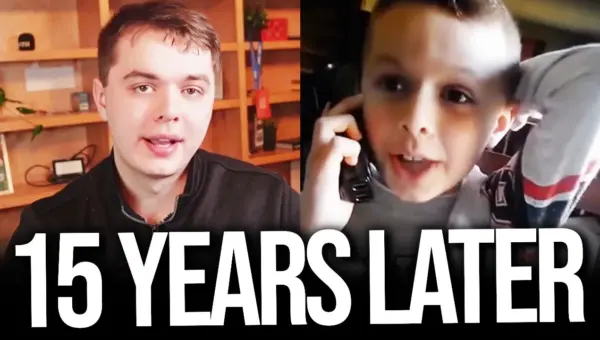
From Minecraft to Millions: A Media Empire’s Rise
From a 9-year-old Minecraft enthusiast to a leading political commentator with 2 million YouTube subscribers, Adam Mockler's journey showcases the power of early passion and consistent effort. He has built a media company by blending content creation with a clear vision for influencing public discourse.

YouTube Channel Faces View Slump, Creator Explores New Direction
A popular geopolitical YouTube channel is experiencing a significant drop in viewership, prompting the creator to experiment with new content formats like food vlogs and consider a major channel overhaul. With a two-month evaluation period set, the future direction of the channel hangs in the balance as the creator seeks to re-engage audiences and maintain relevance.