US Blockades Iranian Ports Amid Stalled Nuclear Talks
The U.S. has imposed a naval blockade on Iranian ports following the breakdown of nuclear negotiations, leading to heightened global tensions. Despite market rallies, oil prices remain high, and Iran has denounced the blockade as illegal. Experts weigh in on the strategy's effectiveness and the risks of escalation.

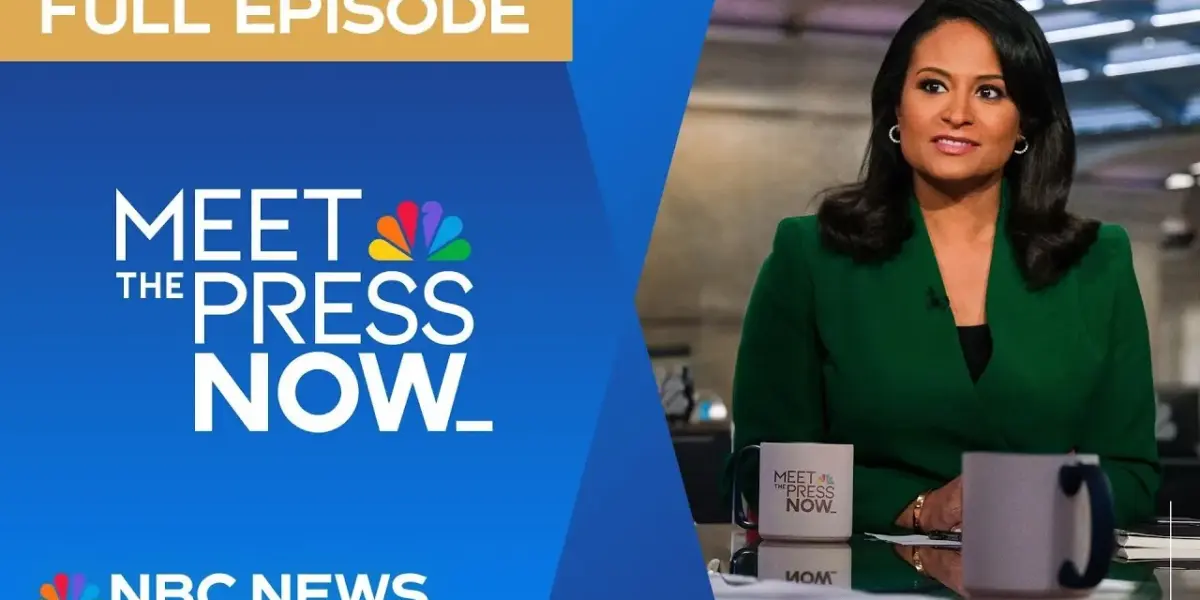
US Imposes Naval Blockade on Iranian Ports
The United States has initiated a naval blockade on all maritime traffic to and from Iran, escalating tensions as peace negotiations between the two nations have broken down. The move comes after 21 hours of closed-door talks in Islamabad, brokered by Vice President Vance, failed to yield a deal to end the ongoing conflict. U.S. officials stated the negotiations collapsed because Tehran refused to abandon its nuclear ambitions.
Market Reaction and Oil Prices
Despite the heightened tensions, Wall Street closed higher by approximately half a percent. However, oil prices continue to hover around $100 a barrel, reflecting ongoing concerns about the stability of the Strait of Hormuz. The Pentagon clarified that the blockade will not prevent other ships from passing through the vital waterway.
Iran Denounces Blockade as Illegal
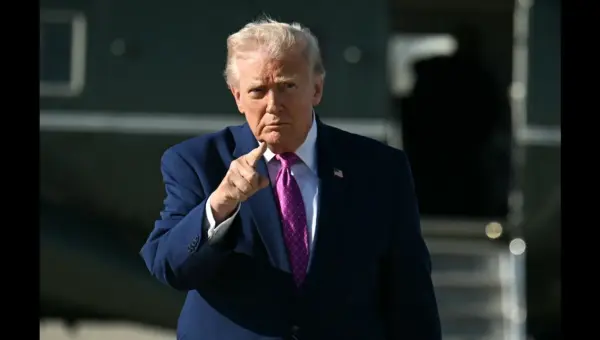
Iran’s armed forces have condemned the U.S. restrictions, labeling them illegal and an act of piracy. President Trump, in a social media post, issued a stark warning: any Iranian ship approaching the U.S. blockade will be “immediately eliminated.” Speaking to reporters, the President emphasized the need to prevent any single country from extorting the world, stating, “We’re not going to let that happen.”
Stalled Negotiations and Nuclear Ambitions
The White House insists that Iran’s refusal to give up its nuclear ambitions was the primary reason for the breakdown in talks. While President Trump previously stated he was indifferent to Iran returning to the negotiating table, he has since claimed that appropriate contacts have been made and that Iran desires a deal. “Iran will not have a nuclear weapon,” President Trump declared, expressing confidence that an agreement would be reached. He added, “If they don’t agree, there’s no deal. There’ll never be a deal.”
Public Opinion and Economic Concerns
A new CBS YouGov poll reveals that 64% of Americans disapprove of the President’s handling of the conflict. President Trump has acknowledged that elevated gas prices could persist heading into the midterm elections, a growing concern for his party. When asked if gas prices would be lower before the midterms, the President responded, “I hope so. I mean, I think so. It could be, it could be or the same or maybe a little bit higher, but it should be around the same.” He expressed belief that the situation would not last much longer.
Military Operations and Potential Confrontations
White House correspondent Julie Tsirkin reported that the President’s goal with the naval blockade is to eliminate Iran’s primary leverage: control over the critical waterway through which vital goods like gas, oil, and fertilizer pass. The blockade aims to cut off Iran’s revenue stream from oil and gas sales. Courtney Kube, senior national security correspondent, explained that the U.S. Navy has sufficient resources, including ships and personnel, to conduct boardings and searches of a select number of vessels. However, the exact protocols for engagement remain unclear, and no confrontations have been reported thus far.
Iran’s Response and Global Implications
Iran’s head of the negotiating team has responded to the blockade by referencing rising gas prices, suggesting that citizens will soon be nostalgic for current prices. The White House is grappling with public concerns over fuel costs, which have seen a 38% increase nationally since February. The potential for China to supply Iran with air defense systems adds another layer of complexity, potentially escalating regional conflicts and challenging U.S. interests.
Expert Analysis on Strategy and Negotiation
Retired Vice Admiral Kevin Donegan, former commander of the U.S. Navy’s Fifth Fleet, suggested that the blockade would likely involve surveillance and monitoring of ships leaving Iranian ports, rather than immediate direct confrontations. He noted that approximately 87% of ships carrying Iranian oil are already subject to U.S. sanctions. Wendy Sherman, former Deputy Secretary of State and lead negotiator of the Iran nuclear deal, emphasized that reaching a comprehensive agreement requires meticulous negotiation of technical details, implementation, enforcement, and verification, which cannot be achieved in a short timeframe.
Concerns Over Escalation and Proliferation
Sherman also voiced concerns about the potential for escalation, including clashes with Chinese or Russian ships, and the risk of Iran developing nuclear weapons if diplomatic efforts fail. She highlighted that Iran views its nuclear program as existential and is unlikely to relinquish enrichment rights entirely, though constraints were agreed upon in the JCPOA. The current situation, she warned, could embolden other nations to pursue nuclear capabilities, leading to a dangerous global landscape.
Presidential Rhetoric and Religious Leaders
The article also touches upon President Trump’s public disputes with Pope Leo, whom he criticized for comments on the conflict with Iran. The President refused to apologize, stating the Pope was wrong. Pope Leo, in turn, affirmed his commitment to speaking the message of the Gospel, emphasizing peace. The President also faced backlash for posting an AI-generated image of himself in a Christ-like pose, which he later explained as depicting him as a doctor supporting the Red Cross.
Future Outlook
As the situation unfolds, the effectiveness of the U.S. blockade in pressuring Iran towards a diplomatic resolution remains uncertain. The international community watches closely, concerned about further escalation, the impact on global energy markets, and the broader implications for nuclear non-proliferation. The upcoming midterm elections in the U.S. add a domestic political dimension, with economic concerns potentially influencing voter sentiment.
Source: Meet the Press NOW — April 13 (YouTube)

Related Articles

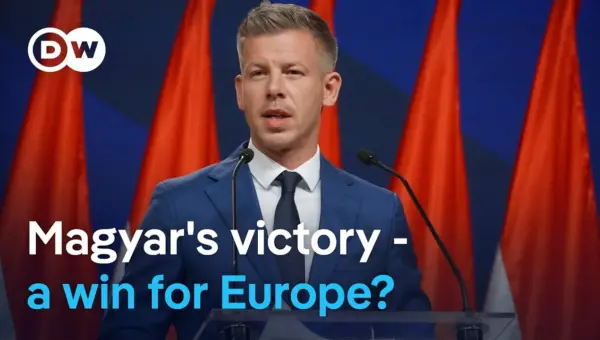
Hungary Rejects Orban, Embraces Pro-EU Path
Hungary has elected Peter Magyar as its new leader, signaling a significant shift away from Viktor Orban's nationalist policies and a renewed commitment to the European Union. Magyar's government prioritizes securing frozen EU funds and improving relations with the bloc, though challenges remain in addressing migration and past ties to Russia.

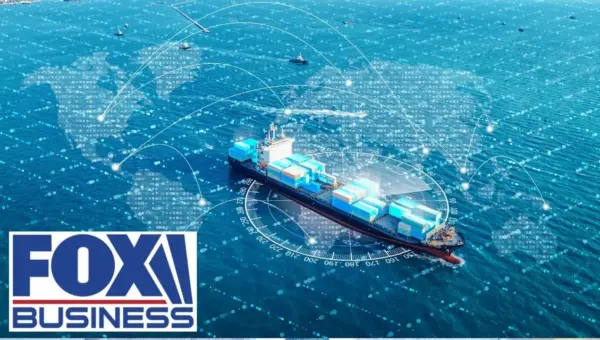
Iran Blockade Shifts Global Oil Flow to U.S.
A blockade in the Strait of Hormuz has triggered a major shift in global oil supply routes, with supertankers now heading to the U.S. Gulf Coast. Despite geopolitical tensions, markets remain resilient, and corporate profits are projected to rise.
Trump’s Tariff Threat: China’s Iran Arms Deal Sparks Crisis
President Trump has warned China against supplying weapons to Iran, threatening a "staggering" 50% tariff if they do. U.S. intelligence reports suggest China may be preparing to send air defense systems, including missiles, to Iran. This development significantly heightens tensions ahead of a crucial summit between President Trump and Chinese President Xi Jinping.