Fox News Highlights ‘Crushing’ Farmer Struggles as Trump’s Economic Narrative Faces Scrutiny
Recent reports from Fox News are highlighting a stark reality for American farmers and ranchers, revealing a significant decline in farm operations and rising bankruptcies, directly contradicting former President Donald Trump's claims of agricultural prosperity. The reports detail how tariffs, rising costs, and market power of meatpackers are eroding profitability, leading to widespread disillusionment and a notable decline in Trump's support among key constituencies like non-college voters and rural communities.

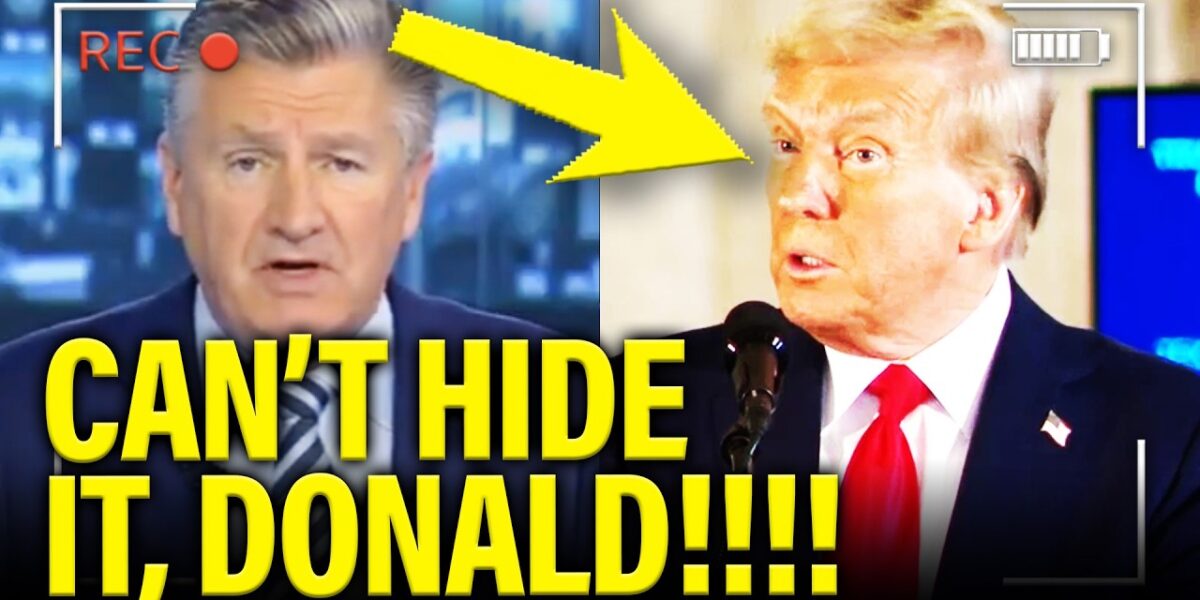
Fox News Highlights ‘Crushing’ Farmer Struggles as Trump’s Economic Narrative Faces Scrutiny
In a series of candid reports, conservative media giant Fox News has shone a spotlight on the severe economic distress gripping American farmers and ranchers, directly challenging former President Donald Trump’s claims of prosperity for the agricultural sector. The unexpected scrutiny from a traditionally supportive outlet underscores a growing disillusionment among a core Republican constituency, with data revealing a significant decline in farm operations and mounting bankruptcies across the nation.
The reports, which aired amidst Trump’s public assertions of robust support for farmers, painted a stark picture of an industry grappling with rising input costs, weak crop prices, and the unintended consequences of trade policies, particularly tariffs. This narrative of struggle stands in sharp contrast to Trump’s declaration that he provided farmers with ‘$12 billion in aid, and they are so happy,’ revealing a widening gap between political rhetoric and the harsh realities on the ground.
The Shrinking Landscape of American Farms
Recent data highlighted by Fox News indicates a troubling trend: the number of U.S. farms shrank by 15,000 in 2025, bringing the national total to 1.865 million. This decline is not an anomaly but part of a long-standing pattern, exacerbated by current economic pressures. The American Farm Bureau attributes this to a combination of factors, including urbanization, low or negative returns per acre, and an overall challenging economic environment. The impact is widespread, with no state reporting an increase in farm operations last year.
- Texas: Lost 2,000 farm operations, marking the largest state-level decline.
- Minnesota: Saw a significant reduction of 1,300 farms.
- Iowa and Indiana: Each lost 500 farms.
- Illinois: Reported a decrease of 400 farms.
Compounding these losses, farm bankruptcies are on the rise, signaling a deepening crisis for many agricultural producers. The only category of farms that saw a minor increase (50 operations) was those generating $1 million or more in annual sales, suggesting a consolidation trend that further marginalizes smaller, often generational, family farms.
Tariffs and Trade: A Burden on the Heartland
A central point of contention for many farmers has been the impact of tariffs, a cornerstone of the Trump administration’s trade policy. While intended to protect domestic industries, farmers in the Midwest, in particular, have expressed deep concerns about retaliatory tariffs from other nations, which create an ‘export problem’ for their products. This sentiment was echoed in emails from farmers to news outlets, highlighting their worry that these trade measures could ultimately hurt them on the opposite end.
Fox News itself ran a headline reading, "The single crushing problem American cattle ranchers wish Trump would fix instead," pointing to genuine frustration within one of Trump’s core constituencies. Cattle ranchers, for instance, are grappling with high beef prices that, despite tariffs and import maneuvers, are eroding consumer demand and market stability. Farmers and ranchers argue that the core issue isn’t foreign imports but rather the immense market power wielded by a few major meatpackers. This concentration of power, they contend, squeezes producer margins even as retail prices for meat continue to climb, leaving them with little profit.
Many of these farmers, historically stalwart Republican voters who overwhelmingly backed Trump in 2024, now feel a sense of betrayal. They believe current policies prioritize "short-term price tinkering over systemic fixes" that would ensure the long-term sustainability of domestic production and income. This public questioning of Trump-backed policies represents a significant departure from their traditional voting patterns.
Economic Realities Beyond Agriculture
The economic challenges extend beyond the agricultural sector. In Georgia, a state crucial for national political outcomes, the situation is particularly acute. Reports indicate that the state lost 80,000 jobs last year since Trump took office, with 27 family farms filing for bankruptcy. Furthermore, projections suggest that 500,000 Georgians stand to lose their healthcare coverage without an extension of Affordable Care Act (ACA) subsidies—a measure that Trump does not support—leading to a potential doubling of premiums for 1.4 million residents.
These figures directly contradict Trump’s broader economic claims, such as his assertion that "more Americans are working today than in the history of our country." This statement comes despite a ‘million jobs revision down for 2025’ and job numbers (reported at 155,000-161,000) that remain "far below where Biden was." Such discrepancies between official narratives and on-the-ground economic indicators contribute to a growing skepticism among the electorate.
Eroding Support: A Political Seismic Shift
The economic distress is translating into a notable decline in political support for former President Trump and his policies. A recent Pew Research poll revealed that overall support for Trump’s policies has sharply declined to just 27%, down from 35% a year earlier. This softening of approval is particularly significant among rural voters and independents—two groups that were instrumental in his previous electoral successes.
CNN’s Harry Enten further broke down this "collapsing" support, highlighting a dramatic shift among non-college educated voters, a demographic cornerstone of Trump’s base. In 2024, Trump won these voters by 14 points over Kamala Harris. However, current polling indicates he is now underwater by nine points with this group, marking a staggering 23-point swing. This erosion of support has immediate implications for upcoming elections, with Republican leads among non-college voters in Congressional races shrinking from 13 points in 2024 to a mere four points, while Democrats now dominate among college-educated voters by 20 points.
Trump’s overall approval rating hovers at just 39% in most polls, with only 33% approving of his handling of the economy and a mere 27% approving of his management of the cost of living. These are historically weak numbers, and when key groups that propelled him to power begin to sound the alarm, it signals a significant political challenge.
Voices from the Heartland
The human cost of these policies is palpable. Jim Hartman, a farmer, expressed his dismay: "I never thought I was going to lose this much money this fast." His sentiment encapsulates the frustration of many producers struggling to stay in business year after year, with grain bins full but no clear market to sell into, and unfulfilled promises of new trade deals looming.
The collective sentiment among farmers is one of running out of time and patience, prompting them to question whether long-standing trade and economic policies are truly delivering the relief they were promised. This disillusionment, particularly when articulated on platforms like Fox News, underscores a critical moment where the economic realities faced by a vital sector of the American economy are directly confronting political narratives of prosperity and support.
As the nation moves deeper into 2026, the struggles of American farmers and the broader economic anxieties of key voter groups present a formidable challenge to the political landscape, demanding a closer look at the actual impacts of policy on the lives of everyday Americans.
Source: Trump lies EXPOSED on FOX in BRUTAL LIVE moment (YouTube)

Related Articles

Trump’s Iran Deal Talk: A Mirror of His Own Desires?
Donald Trump's repeated claims that Iran "wants a deal very badly" might be more about his own desire for an agreement than Iran's. This analysis explores his rhetoric and its potential implications for foreign policy.

China’s Iran Gambit: Deception or a New World Order?
President Trump claims China will stop sending weapons to Iran, but deep skepticism remains due to China's past support and use of spy satellites to aid Iran. This move could be a strategic ploy to weaken the US military.


Trump Claims Iran War Nearing End Amid Conflicting Reports
President Trump has declared the conflict with Iran is nearing its end, but conflicting reports highlight the complexities of the U.S. naval blockade. Experts question the administration's optimism, citing Iran's historical resilience and the significant resources required to maintain the blockade. Geopolitical shifts, including potential U.S. withdrawal from NATO and China's growing assertiveness, add further layers of uncertainty to the evolving situation.