The Enigma of ‘Jeff’: Addiction and the Law
A man known as 'Jeff' is arrested and interrogated for armed robbery, battling both the legal system and a severe heroin addiction. His case highlights the complexities of addiction, the rights of the accused, and the enduring allure of the anti-hero archetype.


The Enigma of ‘Jeff’: Addiction and the Law
The sterile interrogation room, a crucible where truth is often strained and intentions are laid bare, can become a stage for profound human drama. In the case of a man identified only as ‘Jeff,’ this room became the backdrop for a tense standoff, not just with law enforcement, but with his own demons. Charged with armed robbery in Georgia, Jeff found himself at a critical juncture, his future hanging precariously in the balance, amplified by a long-standing heroin addiction.
A Night of Allegations and Rights
The transcript opens with a stark reality: Jeff is under arrest. The charge is armed robbery. Before any substantive questions can be asked, the officer begins the ritualistic reading of Miranda rights. Jeff, a man whose physical appearance belies his 14-year struggle with heroin addiction – standing 6’5″ but weighing a gaunt 153 lbs – acknowledges the rights, though his understanding seems colored by his experiences with the justice system. He has been through it before, and the prospect of a conviction for armed robbery in Georgia carries a severe minimum sentence of 10 years without parole, with the possibility of life imprisonment. Given his prior convictions, his sentence would likely be considerably longer.
The officer’s approach is measured, attempting to create an opening for dialogue. He emphasizes that if Jeff has evidence of his innocence, this is his chance to present it. Jeff, however, is wary, his initial resistance palpable. He requests a coat, a mundane request that underscores his immediate physical discomfort, perhaps exacerbated by the early stages of withdrawal. The officer complies, facilitating a small moment of human interaction amidst the rising tension.
The ‘Anti-Hero’ Phenomenon
The narrative then shifts to explore Jeff’s unexpected emergence as a figure of interest, not for the gravity of his alleged crimes, but for his persona captured on interrogation footage. The video’s creators draw a parallel between Jeff and the concept of the ‘anti-hero’ in popular culture, citing characters like Willie from the 2003 film ‘Bad Santa.’ This comparison highlights how audiences can connect with flawed, morally ambiguous characters who, despite their vices and questionable actions, possess a relatable vulnerability or a glimmer of humanity. The article posits that this relatability stems from our own imperfections and a shared human desire for redemption, making us root for these characters, much like we might root for ourselves.
The core of the anti-hero appeal, it’s argued, lies in their inherent vulnerability and a spark of humanity that allows for empathy, even when their actions are unethical. This is contrasted with outright villains, who are typically driven by pure malice and lack this relatable core.
Addiction as a Crossroad
Returning to Jeff’s immediate situation, the article emphasizes the profound challenge he faces. Beyond the legal jeopardy, he is battling heroin withdrawal, a physically and mentally agonizing process. The officer probes, and Jeff expresses a desperate need for methadone, a medication used to treat opioid addiction. His plea, “I’m a [expletive] junkie and you guys I can’t get no methadone. I’m going to go through withdrawal here in a minute,” lays bare the raw reality of his addiction intertwined with his legal peril. He claims he was in the wrong place at the wrong time, denying any involvement in an armed robbery.
Jeff’s distrust of the police is evident. He repeatedly states, “I don’t talk to the police, man,” asserting his knowledge of the system and his belief that the officers are solely seeking a confession. He maintains his innocence, claiming the only evidence against him is his presence outside a friend’s house when police arrived, an event he says was triggered by his friend’s dogs barking. Despite his protestations, the officer continues to press, reading his rights again and attempting to elicit his side of the story.
A Stalemate and Unanswered Questions
The interrogation becomes a cycle of rights being read, Jeff asserting his right to remain silent and demanding a lawyer, and the officers trying to find an opening. Jeff expresses confusion as to why his insistence on silence, after asking for an attorney, is met with continued questioning. He believes the authorities know he didn’t commit the robbery, citing his previous encounters with the system and the perceived lack of substantial evidence.
The officers present the idea of cooperation, suggesting they could speak to his parole officer on his behalf if he provides his side of the story. They claim to have significant physical evidence, though Jeff remains skeptical, challenging them to name it. The exchange highlights a classic interrogation tactic: offering a perceived benefit for cooperation, while simultaneously leveraging the threat of parole violation. Jeff, however, remains largely unyielding, his primary focus seeming to be on his immediate physical needs and his denial of the charges.
The Ambiguous Conclusion
Remarkably, Jeff is released from custody less than 12 hours after his arrest. The article concludes by acknowledging the unknown final outcome of his case, mirroring the open-ended nature often associated with anti-hero narratives. Two conflicting legends emerge: one where Jeff successfully gets clean and finds employment with Coca-Cola, and another where he is arrested the following day for the same charge and faces a lengthy prison sentence in Georgia.
The piece reflects on the broader theme of addiction as the ultimate determinant of Jeff’s fate, regardless of the legal proceedings. He is destined for either salvation or destruction, a path shaped by his ability to overcome his addiction. This uncertainty, the article suggests, is what solidifies his status as an anti-hero – a character whose story, much like life itself, offers no guaranteed happy ending, only the ongoing struggle between hope and despair.
Source: The Legend of "Jeff" (YouTube)

Related Articles

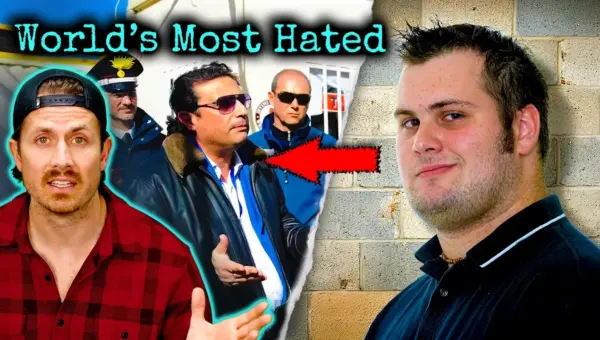
The Price of Attention: Two Fatal Pursuits of Fame
Two men, Derek Keeper and Francesco Schettino, pursued attention and validation, resulting in tragic outcomes. Keeper died in a car crash due to his anti-seatbelt stance, while Schettino's reckless actions as a cruise ship captain led to a deadly shipwreck. Their stories serve as cautionary tales about the pursuit of recognition and the severe consequences of poor judgment.


TV Stars’ Dark Secrets: Shocking Crimes Revealed!
Beloved TV stars have been involved in shocking real-life crimes, from sexual assault and fraud to murder. This article explores the disturbing cases of figures like Bill Cosby, Danny Masterson, and the Chrisley family. These scandals shattered public illusions and brought severe legal consequences.


Teens Planned Horrific Ritual Sacrifice To Resurrect Killer
Two Florida high school students, Isabelle Valdez and Lois Liippard, were arrested for allegedly plotting a ritual sacrifice to resurrect mass killer Adam Lanza. An anonymous tip to Fortify Florida exposed their disturbing obsessions and a detailed murder plan targeting a fellow student.