Cuban Exiles See Hope as Trump Targets Regime
Cuban exiles express profound hope as President Trump signals potential intervention in Cuba, likening the moment to a 'Berlin Wall moment.' Geopolitical experts weigh in on the challenges and potential diplomatic avenues, contrasting the situation with Venezuela and Iran.

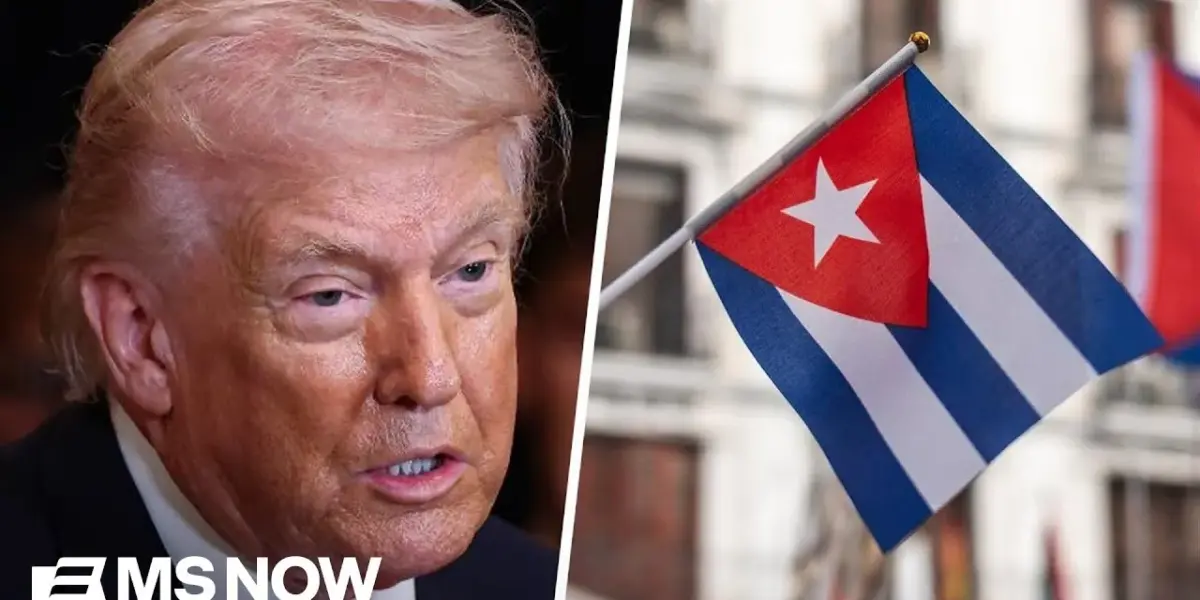
Cuban Exiles Express Hope as Trump Signals Potential Action Against Regime
South Florida’s Cuban-American community is buzzing with a “profound sense of hope” following President Donald Trump’s recent statements suggesting that Cuba is the “end of the line” for regimes the United States may target for international intervention. This sentiment is particularly strong among those who have long advocated for change in their homeland, viewing the current moment as a potential turning point after 67 years of communist rule.
A ‘Berlin Wall Moment’ for Cuba?
The remarks from President Trump have resonated deeply within the Cuban-American diaspora, with some likening the situation to their “Berlin Wall moment.” Congressman Carlos Gimenez, a Republican representing Florida’s 28th district and a native of Havana, expressed a strong belief that it is in the best interest of both Cuba and the United States to see the current regime toppled. “It could be a turning point, or it could be simply the first block that becomes a number of stumbling blocks on a prolonged botched transition,” Gimenez stated, reflecting the cautious optimism felt by many.
The sentiment is that Cuba is in its “last moments of life as it was.” The island nation is described as facing severe economic hardship, with a lack of money and oil, compounded by a regime perceived as detrimental for decades. “They want to negotiate and they are negotiating,” one speaker noted, suggesting that elements within the Cuban government may be open to dialogue.
Geopolitical Expert Weighs In on Challenges and Opportunities
Ian Bremmer, president and founder of Eurasia Group and GZERO Media, provided a more measured perspective on the potential implications of U.S. Action against the Cuban regime. Bremmer cautioned against drawing direct parallels to Venezuela or North Korea, noting that Cuba lacks an organized opposition, making it difficult for external powers to find factions to support for regime change. “For 67 years, this is a government that has been focused singularly on its own survival, so it’s harder for Trump to find factions that he could work with, that would be willing to turn on some of the leaders,” Bremmer explained.
However, Bremmer also suggested that a deal might be possible if the objective is not outright regime change, but rather a shift in Cuba’s alignment. “What Trump is most interested in is a Cuba that, you know, is open to tourism and is open to real estate investment, that cooperates with the Americans on migration and the distances itself somewhat from the Russians and the Chinese,” he stated. According to Bremmer, if these conditions are met, a deal could be “doable” without necessarily involving military intervention or the removal of current leaders.
“I think that what Trump is most interested in is a Cuba that, you know, is open to tourism and is open to real estate investment, that cooperates with the Americans on migration and the distances itself somewhat from the Russians and the Chinese.”
– Ian Bremmer, President and Founder, Eurasia Group
The ‘Easy Way or the Hard Way’ for Cuba
The discussion also touched upon the possibility of direct negotiations with members of the current Cuban government. Bremmer indicated that there have been “active conversations with some of the members of the government” about a choice between an “easy way or the hard way.” The theory being tested is whether these members, if allowed to survive, might be willing to align more closely with the United States on security, migration, and economic improvements.
Bremmer highlighted the perceived success of the Trump administration’s approach in Venezuela, where opposition leader Juan Guaidó is now polling significantly, suggesting that a shift in leadership can occur without a complete overthrow. He contrasted this with the situation in Iran, where U.S. Actions, including the elimination of a key Iranian general, have not yielded the desired diplomatic outcomes. The Iranian regime, described as a “radical theocracy,” is seen as operating on motivations beyond just money and power, making it harder to strike deals.
Broader Implications and Future Moves
The potential for U.S. Intervention in Cuba is being viewed through the lens of broader U.S. Foreign policy under the Trump administration. The willingness to use military force, even when promising to end “forever wars,” is a notable aspect.
“He does like to have his finger on the button to threaten countries or else,” Bremmer observed. This approach, while seemingly effective in Venezuela, has faced greater challenges in Iran, where the U.S. Lacks a clear partner within the existing power structure to facilitate a deal.
For Cuban-Americans, the prospect of a U.S.-backed transition offers a glimmer of hope after decades of living under a government that many fled. The idea that their homeland could be on the cusp of change, potentially leading to greater freedom and prosperity, is a powerful motivator. The comparison to the fall of the Berlin Wall highlights the historical significance many attach to this moment, envisioning a future where Cuba is no longer isolated and oppressed.
Looking Ahead
As the situation evolves, attention will be focused on whether President Trump’s administration pursues a more aggressive stance towards the Cuban regime or opts for diplomatic engagement aimed at securing specific policy concessions. The response from both the Cuban government and the international community, as well as the internal dynamics within Cuba, will be critical in determining the outcome. For the Cuban-American community, the coming weeks and months will be closely watched for any concrete steps that could lead to the long-awaited transformation of their homeland.
Source: 'Profound sense of hope' amongst Cuban-Americans as Trump eyes Cuba (YouTube)

Related Articles

Ukraine Strikes Cripple Russian Oil; US Goes Global
Ukraine's drone attacks are crippling Russian oil exports and production, forcing significant output reductions. Simultaneously, the U.S. Navy is expanding its reach globally, seizing Iranian oil tankers far from the Persian Gulf. This dual pressure signals a potential breakdown of global trade in energy, agriculture, and manufacturing.


Russia’s Economy Crumbles Under Sanctions, Dissent Grows
New intelligence reports indicate Russia's economy is collapsing under sanctions, with falling oil revenues and rampant inflation. Dissent is growing, with prominent figures and even pro-Kremlin bloggers openly criticizing the government and President Putin.
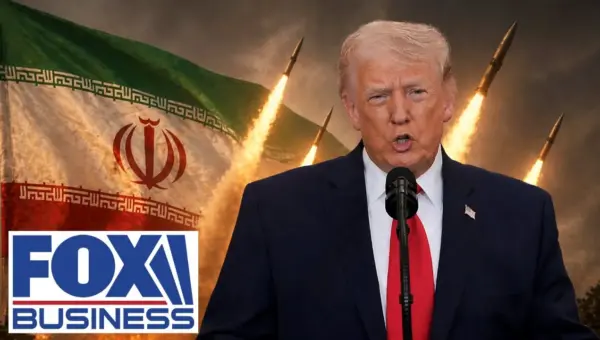
Trump Warns Iran: Bombing Could Start ‘Tomorrow’
President Trump has signaled a tough stance on Iran, warning that he expects to be "bombing tomorrow" if a satisfactory deal isn't reached, with the current cease-fire set to expire. Despite the escalating rhetoric, financial markets have remained measured, seemingly pricing in a future resolution and a potential "peace dividend."