Iran Names New Supreme Leader, Defying Trump and Israel
Iran has appointed Majtaba Khamenei, son of the late Supreme Leader Ali Khamenei, as the new head of state. This move is seen as a direct defiance to the US and Israel, especially after President Trump named Majtaba as an unacceptable successor. The appointment solidifies the hereditary aspect of leadership, a departure from theocratic tradition, and raises regional security concerns.

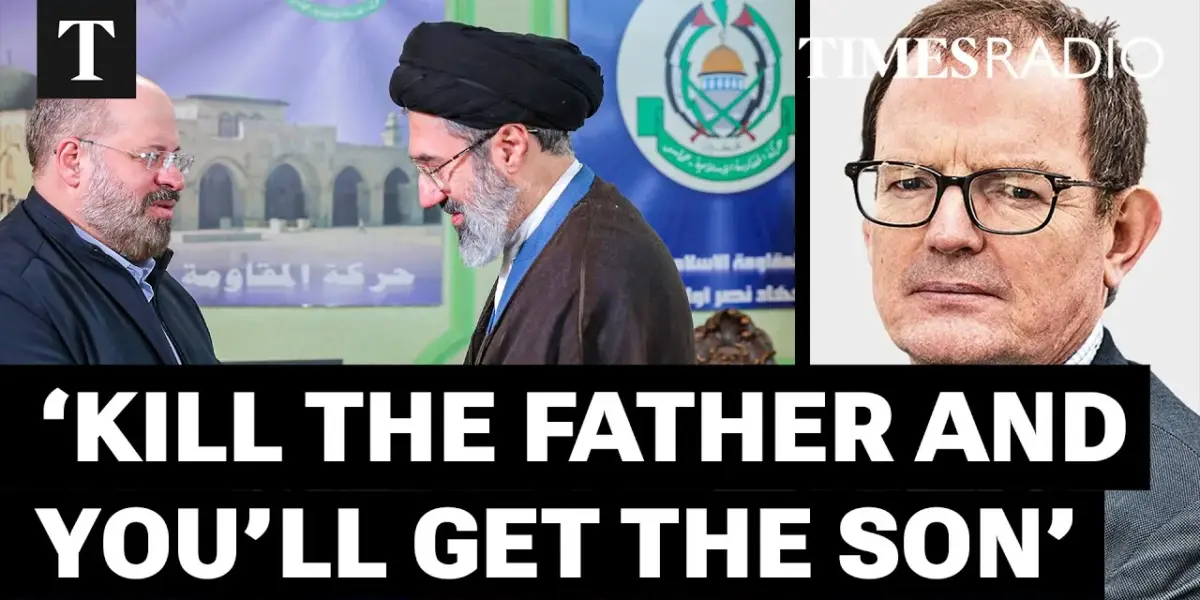
Iran Appoints New Supreme Leader, Son of Predecessor, in Bold Move
Iran has appointed Majtaba Khamenei, the son of the late Supreme Leader Ali Khamenei, as the new head of the Islamic Republic. The decision, announced following the elder Khamenei’s death in an Israeli strike, is being widely interpreted as a direct act of defiance against the United States and Israel, particularly against President Donald Trump, who had publicly stated that Majtaba would not be an acceptable successor.
A Calculated Act of Resistance
Richard Spencer, writing for The Times, suggests that Iran’s choice of Majtaba Khamenei is a deliberate provocation. “There is a sense I think of defying the United States here and defying Israel saying well if you kill the father you’ll just get the son,” Spencer observed.
He further elaborated, “President Trump had himself said you know Maj will not be an acceptable successor to me. So, you know, if you’re resisting America then what better way of showing your resistance is strong than doing exactly what Trump said you shouldn’t do.” This move signals Iran’s intent to continue its established ideological path, regardless of external pressure.
Who is Majtaba Khamenei?
Majtaba Khamenei, the second eldest son of the late Supreme Leader, has long been considered a potential successor. While there was a prevailing notion that the Islamic Republic, as a theocracy, was not a hereditary institution, his appointment challenges this perception. Spencer noted that Majtaba has served as a key advisor and confidant to his father, functioning as a “chosen gatekeeper.” This role mirrors patterns seen in other authoritarian regimes, such as the Assad family in Syria and the Gaddafi family in Libya, where sons were groomed for leadership.
Close Ties to the Revolutionary Guard
A significant aspect of Majtaba Khamenei’s profile is his close association with the Islamic Revolutionary Guard Corps (IRGC). The IRGC represents the more pragmatic, and some would argue repressive, wing of the Iranian regime, and it also wields considerable economic power through extensive business interests.
Majtaba has become a figurehead for these interests, managing portfolios for himself, his family, and the regime. His alignment with the IRGC suggests a continuation of hardline policies and a focus on consolidating the regime’s power base.
Questions Surrounding His Health
Adding a layer of uncertainty to the succession are reports suggesting that Majtaba Khamenei may already be injured. This speculation has been cited as a potential reason for the delay in officially announcing his appointment. With Israel having publicly declared him a target, his position is inherently precarious, carrying a significant security risk.
Regional Instability and Nervousness
Reporting from Arbil in the Kurdish region of Iraq, Spencer described a palpable sense of unease across the Middle East. The ongoing Ramadan period has contributed to a quieter daytime atmosphere, but the evenings, usually a time for social gatherings, are also subdued.
“People are very uncertain what’s going to happen,” Spencer stated. The region has been experiencing drone attacks, with reports of an Iranian missile interceptor being deployed near Arbil and a fatal strike at the local airport.
Kurdish Opposition and the Threat of Ground Invasion
The proximity to Iran has heightened concerns, especially with reports that Iranian Kurdish groups in exile, some of whom are armed, are being prepared by the United States for potential ground operations within Iran. While these groups view the situation as a significant opportunity, their leaders acknowledge the immense risks involved without robust American support. Spencer noted, “On the surface, they’re very gung-ho about it.
I mean, this is their big opportunity. If you’re an exiled Kurdish Iranian opposition guy, this is this is the biggest opportunity you’ve had for decades.
On the other hand, they are they are small in number, these guys. And without close coordination with an American offensive, they their leaders at least realize it would be a bit of a suicide mission.”
What’s Next?
The appointment of Majtaba Khamenei marks a key moment in Iranian politics and international relations. The coming weeks will be crucial in observing how the new Supreme Leader consolidates power, the extent to which he adheres to or deviates from his father’s policies, and the international community’s response, particularly from the United States and Israel. The heightened tensions in the region, coupled with the potential for further escalation, highlight the critical nature of these developments.
Source: Iran’s Choice Of Supreme Leader Is An Act Of Defiance To Trump | Richard Spencer (YouTube)

Related Articles

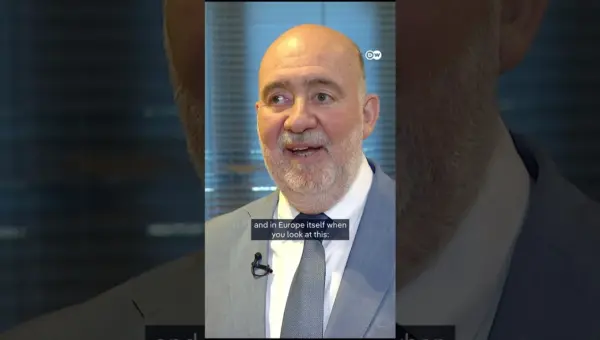
Germany-Israel Ties Tested Amid Policy Differences
Germany and Israel are experiencing strains in their relationship, marked by a lack of top-level cabinet talks since 2018 and differing views on the two-state solution and the Gaza conflict. Despite these policy gaps, Germany demonstrated significant political engagement with Israel following the October 7th attacks, sending numerous high-ranking officials.
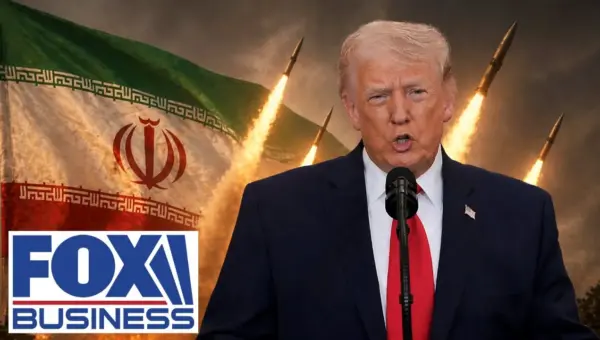
Trump Warns Iran: Bombing Could Start ‘Tomorrow’
President Trump has signaled a tough stance on Iran, warning that he expects to be "bombing tomorrow" if a satisfactory deal isn't reached, with the current cease-fire set to expire. Despite the escalating rhetoric, financial markets have remained measured, seemingly pricing in a future resolution and a potential "peace dividend."
Iran’s ‘New Cards’ Threat Risks Further Global Isolation
Iran's parliament speaker has threatened to reveal 'new cards,' but former Pentagon officials believe this will further isolate the regime. These potential moves, likely involving proxies or sleeper cells, are seen as a familiar but ineffective tactic. Investors are watching for potential escalation and its impact on regional stability and energy markets.