Iran Oil Trades Linked to Mysterious ‘Hector’ Figure
A secretive company, Milivus Group, is reportedly engaged in significant oil trading, with its leadership shrouded in mystery and linked to high-level Iranian circles. The company, which has experienced explosive growth, operates from offices in Dubai, Switzerland, and Romania.


Iran Oil Trades Linked to Mysterious ‘Hector’ Figure
A secretive company, Milivus Group, is reportedly engaged in significant oil trading operations, with its leadership shrouded in mystery and linked to high-level Iranian circles. The company, which has experienced explosive growth, operates from offices in Dubai, Switzerland, and Romania, openly trading oil and other products.
Unveiling Milivus Group’s Operations
The investigation into Milivus Group began in early November 2023, following conversations with sources close to the company’s operations. Initial reports indicated the existence of a new, highly secretive company operating next door to a known entity. The most striking detail was that this company was reportedly run by the son of a prominent IRGC (Islamic Revolutionary Guard Corps) commander and was actively involved in oil trading.
Further corroboration came from a separate source just weeks later, who highlighted the same company’s rapid expansion. Milivus Group reportedly ballooned from approximately five employees to 200 practically overnight, a growth trajectory that raised immediate questions about its scale and backing.
The Enigma of ‘Hector’
What has particularly captured attention is the mystery surrounding the ultimate owner or leader of Milivus Group. Sources have referred to this individual using code names such as ‘H’ or ‘Hector.’ Attempts to gain clarity on the identity and role of this figure have been met with evasiveness.
Some individuals involved would sidestep the question entirely, while others claimed ignorance about who the boss was or stated they were not permitted to discuss the matter.
This reluctance to identify the principal figure has fueled speculation and concern regarding the individual’s influence and power. The consistent lack of transparency suggests a deliberate effort to shield the identity of the person at the top, adding layers of intrigue to Milivus Group’s burgeoning oil trading activities.
Market Impact and Investor Considerations
The emergence of a secretive entity like Milivus Group, reportedly connected to influential figures within Iran and actively trading oil, carries several potential implications for the energy markets and investors.
Sector Context
The global oil market is inherently complex, influenced by geopolitical events, supply and demand dynamics, and the activities of state-owned enterprises and private traders. Companies operating with a high degree of opacity, especially those potentially linked to sanctioned entities or individuals, can introduce volatility and uncertainty.
Potential Risks for Investors
For investors, the involvement of such entities highlights the importance of due diligence. Understanding the full supply chain and the counterparties involved in any oil transaction is crucial. Companies operating in the shadows may be involved in activities that carry higher risks, including:
- Circumvention of sanctions
- Price manipulation
- Lack of regulatory oversight
- Association with illicit financial flows
The rapid growth of Milivus Group, from a handful of employees to 200 almost instantaneously, suggests significant capital backing and potentially large-scale operations. This scale, combined with the secrecy surrounding its leadership, could indicate operations that are either highly efficient and well-connected or are leveraging opaque channels to conduct business.
Geopolitical Sensitivity
Given the potential ties to IRGC commanders, Milivus Group’s operations could be subject to international sanctions and scrutiny. Any direct or indirect involvement with such entities could pose reputational and financial risks for legitimate market participants.
Short-Term and Long-Term Implications
In the short term, the activities of companies like Milivus Group can contribute to market noise and price fluctuations, particularly if their trades are substantial or if they are perceived to be circumventing established market norms or regulations. The ambiguity surrounding ‘Hector’ and the company’s rapid expansion could lead to increased caution among market participants when dealing with counterparties perceived to have opaque origins.
In the long term, the persistence of such secretive trading operations highlights the challenges in achieving full transparency in global commodity markets. It also highlights the ongoing influence of certain geopolitical actors in shaping energy flows. For investors, this reinforces the need for robust risk management frameworks and a deep understanding of the geopolitical landscape that influences energy prices and trade routes.
The story of Milivus Group and the mysterious ‘Hector’ is a reminder that beneath the surface of mainstream financial news, complex and often hidden networks are at play, influencing significant global markets.
Source: Who Was Ali Shamkhani? (YouTube)

Related Articles

Ukraine Strikes Cripple Russian Oil; US Goes Global
Ukraine's drone attacks are crippling Russian oil exports and production, forcing significant output reductions. Simultaneously, the U.S. Navy is expanding its reach globally, seizing Iranian oil tankers far from the Persian Gulf. This dual pressure signals a potential breakdown of global trade in energy, agriculture, and manufacturing.


Russia’s Economy Crumbles Under Sanctions, Dissent Grows
New intelligence reports indicate Russia's economy is collapsing under sanctions, with falling oil revenues and rampant inflation. Dissent is growing, with prominent figures and even pro-Kremlin bloggers openly criticizing the government and President Putin.
Trump Warns Iran: Bombing Could Start ‘Tomorrow’
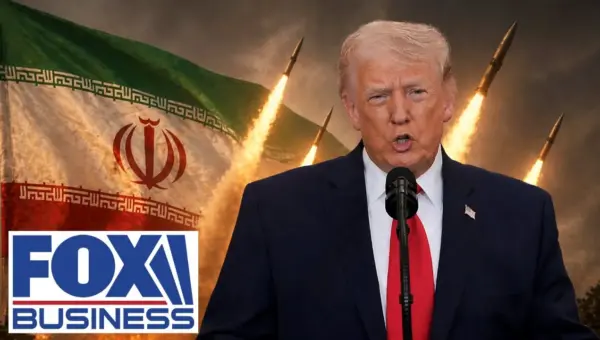
President Trump has signaled a tough stance on Iran, warning that he expects to be "bombing tomorrow" if a satisfactory deal isn't reached, with the current cease-fire set to expire. Despite the escalating rhetoric, financial markets have remained measured, seemingly pricing in a future resolution and a potential "peace dividend."