Iran Conflict Fuels Economic Fears: UK Faces Higher Prices
The escalating Middle East conflict is sending shockwaves through the UK economy, with experts warning of sustained higher energy prices and a potential hit to growth. Chancellor Jeremy Hunt is coordinating with the Bank of England to mitigate risks, while economists predict a difficult period ahead for households and businesses.

Middle East Tensions Spark Economic Worries in UK
In the wake of escalating tensions in the Middle East, the UK government is actively monitoring the potential economic fallout, particularly concerning energy prices. Chancellor Jeremy Hunt is in daily communication with the Bank of England to mitigate risks, while reassuring the public about the existing energy price cap, which remains in place until June. However, concerns linger for businesses and the broader economy should energy prices remain elevated.
PM Defends UK’s Role Amidst International Scrutiny
Prime Minister Rishi Sunak has defended Britain’s decision to support allies in the region, emphasizing the need for de-escalation. Speaking at an event in London, Sunak acknowledged the gravity of the situation, stating the UK’s commitment to defending regional partners. This comes as the UK’s stance on the conflict has drawn both domestic and international attention, including reported discussions between Sunak and President Trump regarding the Middle East crisis and military cooperation.
Opposition Leader Highlights Political Ramifications
Keir Starmer, leader of the opposition, has been vocal about the government’s handling of the situation and its potential impact on the UK’s economic stability. He has pointed out that the conflict threatens to undermine two key pillars of the government’s agenda: managing the cost of living crisis and maintaining a strong relationship with the United States under President Trump. Starmer’s team believes the political messaging around the war has been mismanaged, although they see potential domestic advantages in opposing a conflict that is broadly unpopular, especially if it leads to soaring petrol prices.
“We are monitoring the risk, working with others to mitigate the risk. The Chancellor is talking to the Bank of England every day to make sure that we’re ahead of that.”
– Jeremy Hunt, UK Chancellor
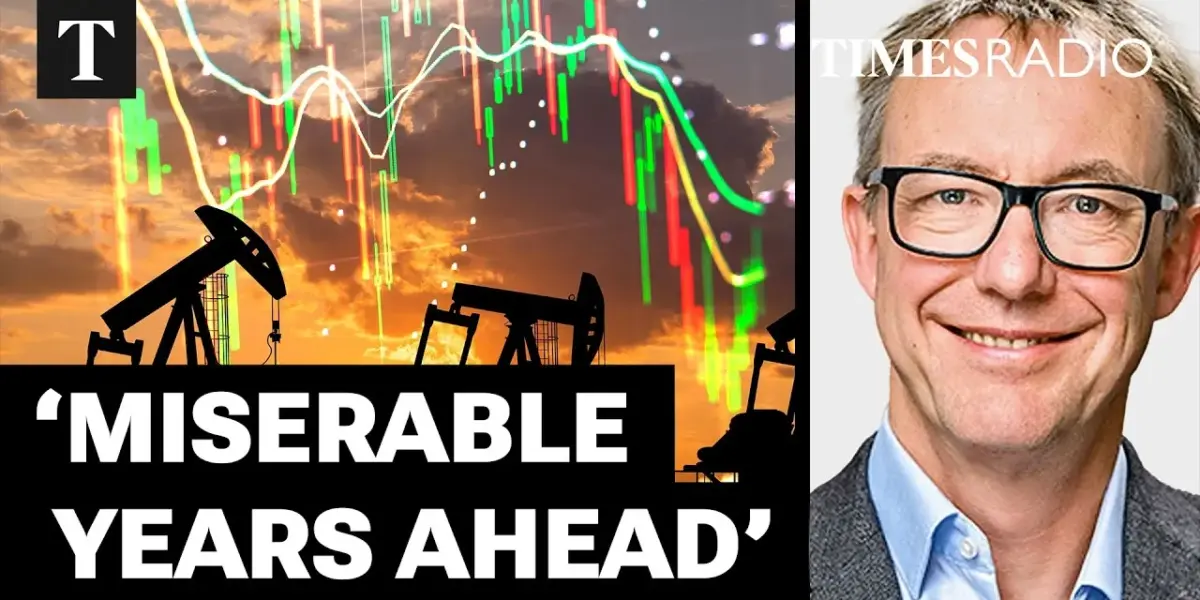
Economist Warns of ‘Miserable Years’ Ahead
Economist Paul Johnson has issued a stark warning about the economic consequences of sustained high energy prices. He estimates that a prolonged period of elevated oil prices, which have touched nearly $120 a barrel, could shave at least half a percentage point off UK growth this year. This would not only strain public finances but also make the general population “worse off.” Johnson drew parallels to the energy shock experienced at the beginning of the Ukraine war, noting that while current price spikes are not as severe, the long-term implications could be significant if global energy supplies become more precarious.
Government Intervention and Fiscal Challenges
The prospect of further government intervention to cushion the economic blow is complicated by the UK’s current fiscal position. Johnson highlighted the immense cost of previous support schemes, many of which benefited those who did not critically need the assistance due to a lack of targeted data.
With national debt already high and interest rates elevated, the government faces significant hurdles in funding large-scale relief measures. Potential interventions might include temporary increases in benefits for low-income households or targeted bill reductions, rather than broad-based subsidies.
Market Reactions and Defense Spending Pressures
The geopolitical instability is also impacting financial markets, with government bond yields (gilt yields) showing volatility reminiscent of the market reaction to Liz Truss’s economic policies. This is attributed to expectations of higher inflation, potentially leading central banks to maintain or increase interest rates.
Reports suggest that the Defense Secretary is seeking increased funding, which would place additional pressure on the Chancellor’s fiscal plans. A permanent increase in defense spending, moving towards 3-3.5% of GDP, would require either cuts to other public services, tax increases, or a revision of the government’s borrowing targets, further concerning markets.
Looking Ahead: Economic Uncertainty Persists
As the situation in the Middle East continues to unfold, the UK economy remains vulnerable to fluctuations in energy prices and broader geopolitical instability. The government faces the dual challenge of navigating international relations while managing domestic economic pressures. The coming weeks will be crucial in determining the duration of elevated energy prices and the extent of their impact on households and businesses, with analysts closely watching for any policy responses and their subsequent effect on markets and public finances.
Source: Economist Warns Iran War Will ‘Make Us All Worse Off’ (YouTube)

Related Articles
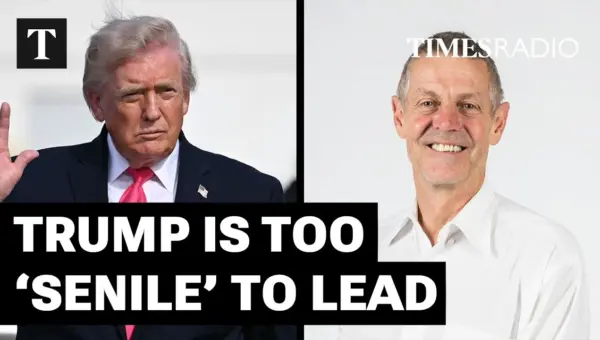
Pundits Claim Trump Shows Cognitive Decline, Urge Removal
Political commentators are raising concerns about Donald Trump's cognitive state, with some likening his behavior to King Lear and suggesting he is 'deranged.' Analysts debate whether his recent policy statements, particularly regarding Iran, reflect strategic bluffing or a genuine cognitive decline. Meanwhile, China's perspective on global conflicts highlights its relative energy independence and a pragmatic, non-ideological foreign policy.

Is the American Dream Dying? Tariffs, Trump, and Political Distractions
Americans are growing disillusioned as political distractions overshadow real economic struggles. Tariffs burden small businesses, while foreign policy debates obscure domestic needs like affordable healthcare. The promise of the American dream fades as politicians prioritize blame over solutions.
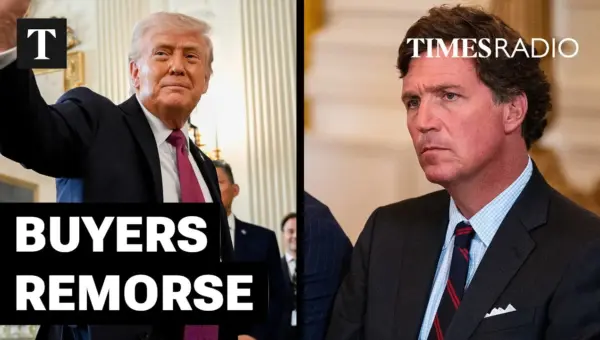
Tucker Carlson Regrets Trump Support Amid Shifting MAGA Alliances
Tucker Carlson has publicly regretted his past support for Donald Trump, signaling potential shifts within the MAGA movement. Meanwhile, the Navy Secretary's recent departure from the Pentagon raises questions about leadership stability amid ongoing international tensions.