Yo-Chi’s $13.19 Fro-Yo Frenzy: A Sweet Success Story
Yo-Chi, a popular Australian frozen yogurt chain, has expanded to nearly 60 outlets by offering a highly customizable, self-serve experience that appeals to Gen Z and millennials. A single $13.19 serving highlights the indulgent nature of the product, while a loyalty app aims to capture repeat business.

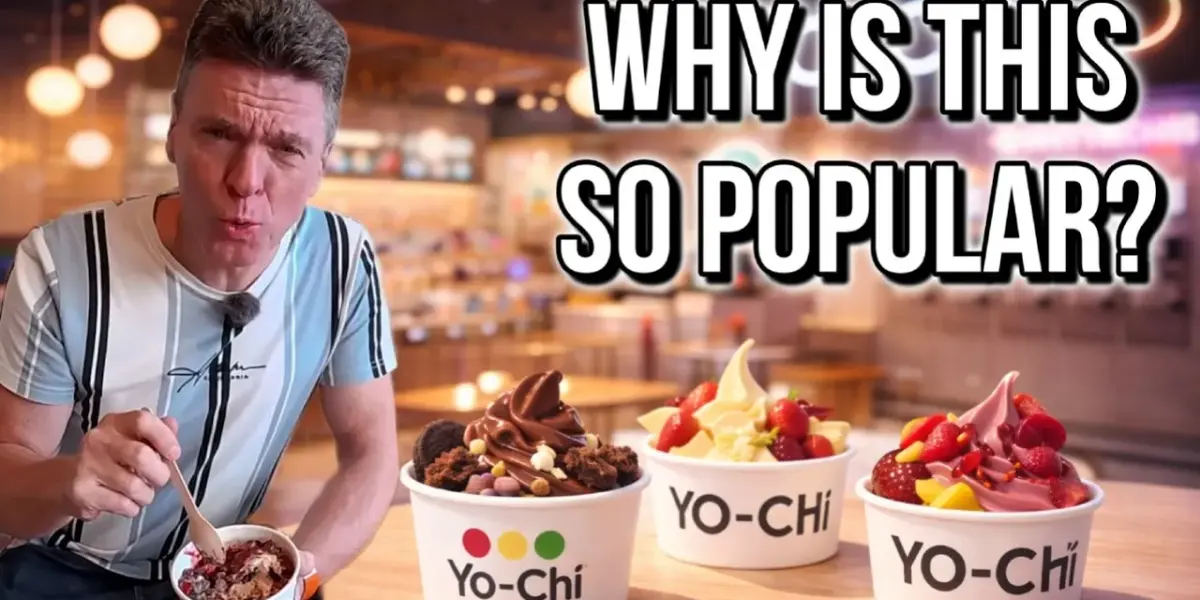
Yo-Chi’s Sweet Strategy: How a Melbourne Fro-Yo Chain Captures Gen Z and Millennials
MELBOURNE, AUSTRALIA – In the bustling streets of Balaclava, a unique dessert phenomenon is captivating a new generation of consumers. Yo-Chi, a frozen yogurt chain with roots in Melbourne, has rapidly expanded to approximately 60 outlets across Australia, largely driven by its appeal to Gen Z and millennials. This article digs into the Yo-Chi experience, exploring its business model, customer engagement, and what makes it a standout in the competitive dessert market.
The Yo-Chi Experience: Customization and Indulgence
Fundamentally, Yo-Chi offers a self-serve frozen yogurt experience where customers select their yogurt flavor and then embark on a journey through a vast array of toppings. The process, as observed at the original Balaclava store, involves a playful interaction with dispensers and a creative assembly of sweet and savory elements. While the base product is presented as a healthier alternative to traditional ice cream, the true appeal lies in the unlimited customization and the sheer indulgence of the topping selection.
The topping bar is a critical component of Yo-Chi’s success, featuring a wide spectrum from the seemingly healthy – like fresh raspberries and strawberries – to the decidedly decadent, including Biscoff spread, milk chocolate drops, mini M&M’s, chocolate soil, and various crumbles and granolas. The self-serve model, where pricing is determined by weight, encourages customers to load up their cups, often leading to elaborate creations that transform a simple frozen yogurt into a substantial dessert.
“It’s like a taste explosion. Wow. It’s like cold and sweet.
And crunchy and poppy. These these pearls are really quite nice.
I think I’m going to have to have a lie down after this. But absolutely delicious.”
Pricing and Loyalty: The $13.19 Conundrum
The self-serve, pay-by-weight model means prices can vary significantly based on customer choices. In one observed transaction, a generously topped serving weighing 320 grams amounted to $13.19.
This price point, while substantial for a frozen yogurt, is positioned as good value given the volume and variety of ingredients. For context, this equates to approximately £6-£7 in UK currency, highlighting the perceived value for the consumer.
Yo-Chi also employs a loyalty program, the ‘G-Club’, which operates through a mobile app. Customers accumulate points with each purchase, redeemable for discounts. However, the requirement to download an app and the potential time delay in accumulating meaningful rewards mean that many customers, particularly those on a quick visit, opt to pay the full price, as seen in the example where the customer declined to download the app due to time constraints.
Market Impact and Investor Considerations
Yo-Chi’s business model is proof of the power of customization, experiential retail, and targeted marketing. By appealing strongly to younger demographics, the chain has carved out a significant niche. The success of this model offers several insights for the broader food and beverage industry:
- Customer Engagement: The self-serve, customizable nature of Yo-Chi fosters a sense of control and creativity, enhancing customer satisfaction and encouraging repeat visits.
- Health Perception vs. Reality: While marketed with healthier options, the ultimate product is often an indulgent treat. This positioning allows Yo-Chi to tap into both health-conscious and indulgence-seeking consumer segments.
- Loyalty Programs: The success of app-based loyalty programs is evident, but the friction of downloading an app and the time required to see benefits can be a barrier. Businesses need to ensure their loyalty programs offer immediate or easily attainable value to maximize adoption.
- Expansion Strategy: The rapid growth from a single store to 60 outlets, primarily in the Melbourne area, suggests a scalable and replicable business model, with potential for further national and even international expansion.
What Investors Should Know
For potential investors, Yo-Chi represents a case study in adapting to evolving consumer preferences. The company’s ability to attract and retain a loyal customer base, particularly among younger demographics, through a combination of product innovation and a compelling in-store experience, is a key strength. The pay-by-weight model, while potentially volatile, allows for high revenue per customer when premium toppings are chosen.
The expansion into numerous outlets indicates a robust operational framework. However, reliance on app-based loyalty and the potential for high ingredient costs due to the extensive topping selection are factors to consider. The brand’s ability to maintain product quality and customer experience across its growing network will be crucial for sustained growth.
Conclusion: A Sweet Future?
The Yo-Chi experience, from the initial selection of yogurt to the final weigh-in, is designed to be engaging and satisfying. The $13.19 dessert, packed with a variety of toppings, offers a decadent treat that customers clearly value.
The chain’s impressive growth and strong appeal to younger consumers suggest that Yo-Chi is more than just a fleeting trend; it’s a well-executed concept with a promising future in the dessert market. The reviewer’s enthusiastic 10/10 rating highlights the brand’s success in delivering a unique and highly enjoyable product.
Source: I Tried Australia’s Most Popular Fro-Yo Chain (Yo-Chi Review) (YouTube)

Related Articles

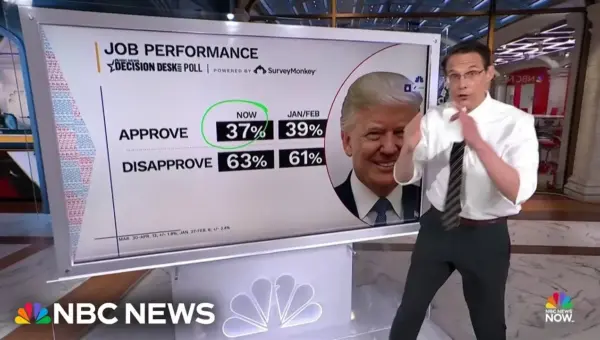
Trump Approval Dips to New Low Amid War and Rising Costs
President Trump's approval rating has dropped to a new low of 37%, with the ongoing war in Iran and rising inflation cited as key reasons. Young voters, particularly Generation Z, are showing significant disapproval, with 76% expressing negative views of his job performance. Student interviews reveal widespread frustration with economic conditions and foreign policy decisions.


Lowe’s Bets on Kids, Gen Z for Future Sales Growth
Lowe's is revamping its kids club and working with influencers to attract younger shoppers amid a slowdown in homebuying. The company hopes to build long-term loyalty with children and Gen Z as the median age for first-time homebuyers hits a record high of 40.


Gen Z Poll Reveals Stark Divide on Israel-Palestine Conflict
A new NBC News poll reveals a significant generational split on the Israel-Palestine conflict, with three-quarters of Gen Z sympathizing more with Palestinians. Overall, adults are evenly divided, but partisan and age differences are pronounced. The poll also highlights ongoing public concerns about inflation and the handling of the war in Iran.