Trump’s War Ignites Global Markets, Iran Rallies
An escalating conflict with Iran has triggered a catastrophic oil shock and global market crash. Reports of U.S. casualties and shifting alliances in the Middle East paint a grim picture of geopolitical instability and strategic miscalculations.

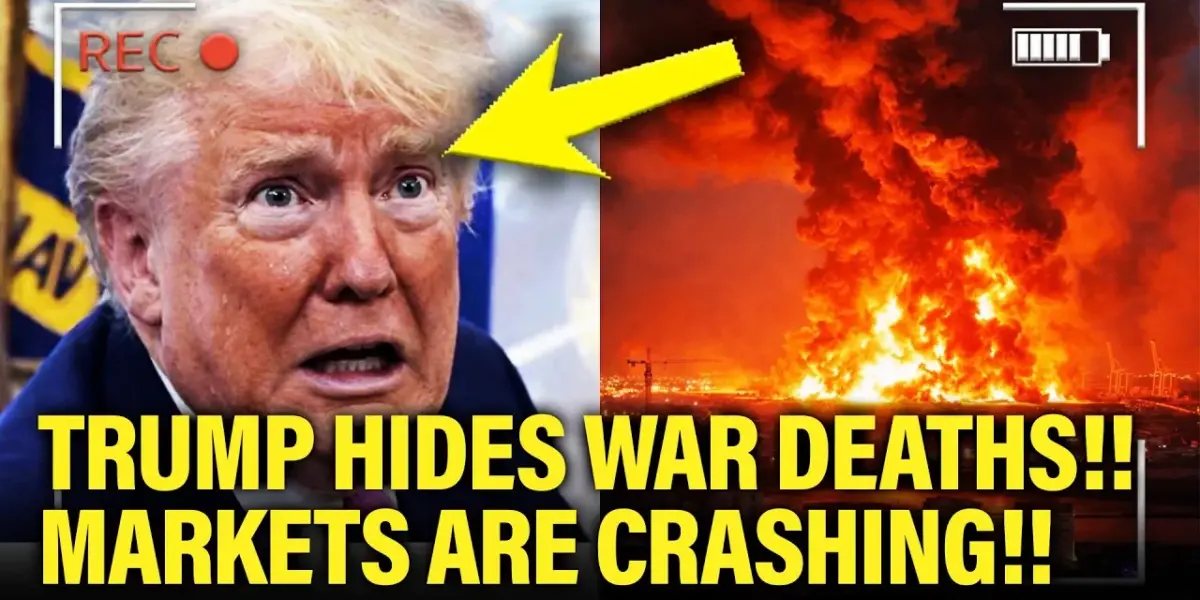
Global Markets Reel as Trump’s Iran Conflict Escalates
The escalating conflict with Iran, initiated under the Trump administration, has triggered a seismic shockwave across global markets, with devastating consequences for oil supply and stock exchanges worldwide. Amidst reports of increasing U.S. Service member casualties, the economic fallout appears to be intensifying, painting a grim picture of geopolitical instability and its tangible impact on daily life.
A Catastrophic Oil Shock
The closure of the Strait of Hormuz, a critical chokepoint for global oil transit, has led to an unprecedented disruption in supply, with reports indicating a daily loss of approximately 20 million barrels. This figure dwarfs previous oil supply shocks, including the Iranian Revolution of 1978 and the Russia-Ukraine war, highlighting the severity of the current crisis.
The price of oil has surged past $115 per barrel, with projections of gasoline prices reaching $4-$5 per gallon in the United States, and diesel prices soaring even higher. This economic strain is not confined to the U.S.; markets across Asia, Australia, and the rest of the world have experienced significant downturns, with South Korea, Taiwan, and Japan seeing declines of 6-7%, and Australia down 4%.
The Human Cost and Shifting Alliances
Beyond the economic devastation, the conflict has resulted in the deaths of at least eight U.S. Service members, with reports of further casualties in Iran and the wider region. The transcript highlights accusations of the Trump regime misrepresenting or withholding details about these losses. Simultaneously, the conflict appears to have galvanized the Iranian populace, rallying them around the newly appointed Ayatollah Mojtaba Khamenei, the son of the former Ayatollah.
This development is seen as a strategic setback for the U.S. and its allies, as the new leadership is perceived as more hardline and less inclined towards negotiations. The narrative suggests that actions intended to weaken Iran have instead entrenched its nationalistic fervor and strengthened its resolve.
Historical Context and Strategic Blunders
The current crisis is framed within a broader context of U.S.-Iran relations, marked by decades of tension and intermittent conflict. The decision to engage in military action, particularly targeting oil depots and desalination plants, is presented as a strategic miscalculation with far-reaching consequences.
The attack on Iran’s desalination infrastructure, vital for water-scarce nations in the Middle East, carries the potential for a humanitarian crisis, with retaliatory strikes on neighboring countries’ water supplies being a stated concern. This aggressive posture, coupled with perceived diplomatic failures, has led to the erosion of U.S. Alliances and a sense of isolation on the global stage.
Leadership and Priorities Questioned
Amidst this escalating crisis, the actions and pronouncements of Donald Trump have come under intense scrutiny. Reports suggest a disconnect between the gravity of the situation and the former President’s activities, including golfing and seeking validation at his Doral resort.
His public statements, particularly those made to the Times of Israel, indicate a reliance on Israeli Prime Minister Netanyahu for decisions regarding the war’s end, raising questions about U.S. Sovereignty and strategic independence. The transcript points to the Trump Organization filing for trademarks related to America’s 250th anniversary, including the use of his name and imagery on the American flag, suggesting a prioritization of business interests and personal branding over national and international stability.
The Specter of Escalation and the Draft
The possibility of further escalation, including the deployment of ground troops and the reintroduction of a military draft, has been raised. While administration officials have not ruled out these options, they maintain that current operations remain primarily an air campaign. The uncertainty surrounding these possibilities adds another layer of anxiety for American citizens.
The transcript also touches upon the controversial incident involving the alleged U.S. Strike on an elementary school in Manbij, Iran, resulting in significant casualties. While officials state the matter is under investigation and deny targeting civilians, the narrative suggests a cover-up and a departure from stated U.S. Values.
Why This Matters
The events described represent a critical juncture in international relations, with profound implications for global economic stability, regional security, and the humanitarian well-being of millions. The potential for prolonged conflict, further economic disruption, and a humanitarian crisis in the Middle East highlights the need for de-escalation and a return to diplomatic solutions. The alleged prioritization of personal and business interests over national security and foreign policy objectives by political leaders is a matter of deep concern for democratic societies.
Implications, Trends, and Future Outlook
The current situation highlights the interconnectedness of global economies and the volatile nature of oil markets. The reliance on fossil fuels and the strategic importance of transit routes like the Strait of Hormuz remain significant factors in international politics. The conflict also highlights the challenges of managing complex geopolitical rivalries and the potential for unintended consequences arising from military interventions.
The trend towards increased nationalism in Iran, spurred by external aggression, could lead to a more entrenched and harder-line regional stance, further complicating future diplomatic efforts. The future outlook suggests continued market volatility, heightened regional tensions, and a prolonged period of uncertainty until a sustainable resolution is achieved.
“The global devastation that you’re causing is absolutely massive right now.”
Source: Trump GOES MUTE on US WAR DEATHS…MARKETS CRASH!!!! (YouTube)

Related Articles

Ukraine Strikes Cripple Russian Oil; US Goes Global
Ukraine's drone attacks are crippling Russian oil exports and production, forcing significant output reductions. Simultaneously, the U.S. Navy is expanding its reach globally, seizing Iranian oil tankers far from the Persian Gulf. This dual pressure signals a potential breakdown of global trade in energy, agriculture, and manufacturing.

Russia’s Economy Crumbles Under Sanctions, Dissent Grows
New intelligence reports indicate Russia's economy is collapsing under sanctions, with falling oil revenues and rampant inflation. Dissent is growing, with prominent figures and even pro-Kremlin bloggers openly criticizing the government and President Putin.
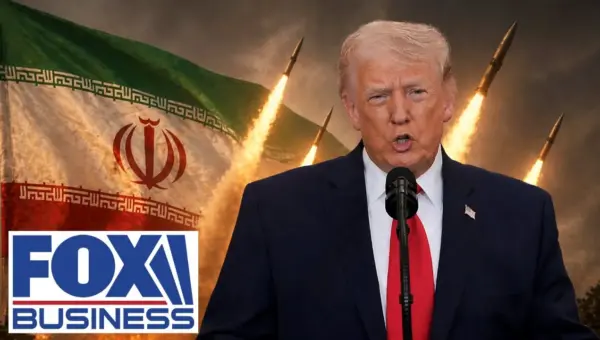
Trump Warns Iran: Bombing Could Start ‘Tomorrow’
President Trump has signaled a tough stance on Iran, warning that he expects to be "bombing tomorrow" if a satisfactory deal isn't reached, with the current cease-fire set to expire. Despite the escalating rhetoric, financial markets have remained measured, seemingly pricing in a future resolution and a potential "peace dividend."