Iran War Escalates: New Leader Named, US Casualties Rise
The war with Iran enters its second week as Tehran names the son of the deceased Supreme Leader as his successor, a move drawing sharp criticism from the U.S. U.S. casualties have risen to eight, with escalating concerns over strategic blowback from Israeli airstrikes and the potential for a protracted conflict.

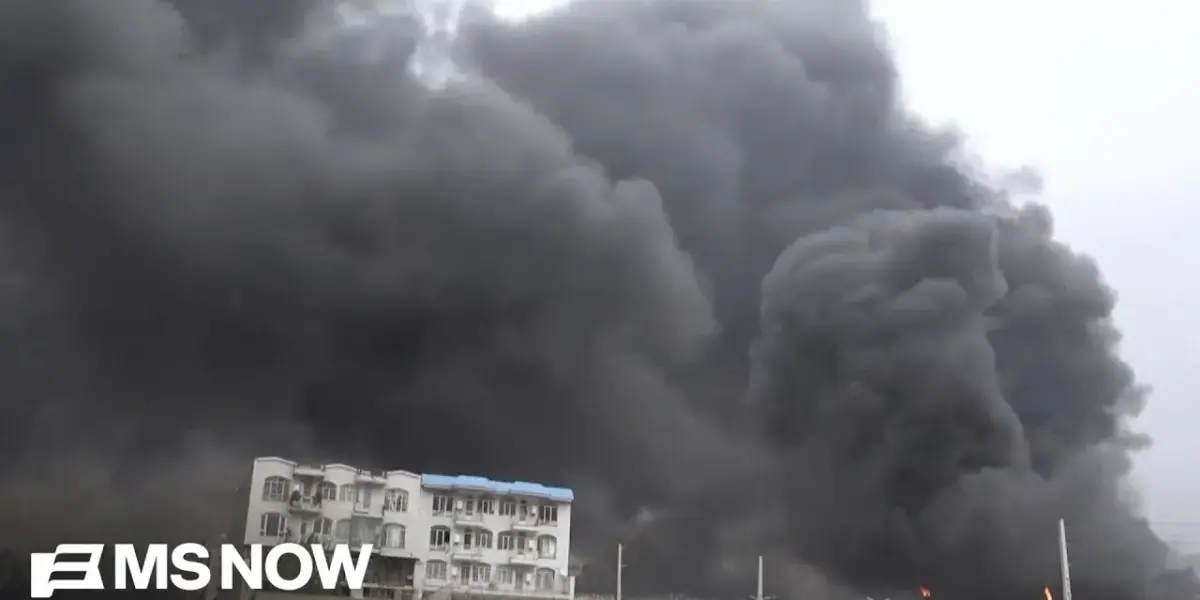
Iran Conflict Enters Second Week Amidst Leadership Transition and Rising Tensions
The volatile conflict between the United States and Iran has entered its second week, marked by significant developments including the selection of a new successor to Iran’s deceased Supreme Leader and continued military engagements. U.S. and Israeli officials have issued stern warnings against any leadership changes without their approval, while reports indicate that Israeli strikes on Iranian fuel depots were more extensive than anticipated, raising concerns about potential strategic blowback and increased oil prices.
New Leadership in Tehran, International Scrutiny
In a move that highlights the Iranian regime’s commitment to its existing policies, the son of the late Supreme Leader, Mojtaba Khamenei, has been named as his successor. President Trump had previously warned Iran against appointing a new leader without his administration’s approval, stating that any successor would not be recognized. U.S. and Israeli officials have reiterated their stance that any new leader will remain a target.
Mojtaba Khamenei, a 56-year-old cleric, is widely considered a hardliner, aligning closely with his father’s anti-Western, anti-U.S., and anti-Israeli policies. His selection is seen as an indication that the Iranian regime has no intention of altering its strategic direction. The appointment comes amidst a period of intense military activity, with both the U.S. and Israel conducting airstrikes.
On-the-Ground Reality: Sirens and Casualties in Israel
The human cost of the escalating conflict is becoming increasingly apparent. In Haifa, Israel, residents are living under the constant threat of attacks from Hezbollah in southern Lebanon and from Iran itself.
Reporter Inez De La Quatera described hearing sirens multiple times within an hour, highlighting the frequency of the threat. Hospitals in the region are treating wounded Israeli Defense Forces (IDF) soldiers, with some in critical condition.
The conflict has also claimed the lives of American service members. Two more U.S. Personnel have died, bringing the total American death toll to eight.
One soldier succumbed to injuries sustained during an Iranian strike on a Saudi military base housing U.S. Personnel. Major Swarfly Davias, a National Guard member and NYPD officer, died from a non-combat-related incident in Kuwait.
Strategic Concerns and Potential Blowback
While the U.S. and Israel continue their military operations, concerns are mounting within Washington about the strategic implications of the conflict. Axios reports that Israeli strikes on Iranian fuel depots were broader than the U.S. had expected. Sources indicate that U.S. officials are worried these attacks could inadvertently rally ordinary Iranians around the regime and potentially drive up global oil prices, creating further instability.
“The Iranian regime is trying to recollect itself in the aftermath of its Supreme Leader being killed, a sense of why regime change is so difficult. And there have been intelligence assessments in recent years that show that ousting and pushing out the clerical majority there in Iran was always going to it’s going to be difficult regardless of how big the U.S. and Israeli incursion was.”
Paul McCleary, Pentagon Reporter for Politico
Challenges of Regime Change and Military Strategy
Pentagon reporter Paul McCleary discussed the complexities of achieving regime change through military action, noting that air campaigns alone have historically proven insufficient. He pointed out that such efforts typically require ground troops to physically overthrow a government and secure leaders, a scenario that presents its own set of challenges and risks.
McCleary also raised concerns about the U.S. military’s ammunition stockpiles, particularly precision-guided munitions and air defense systems like Patriot missiles, which are expensive and time-consuming to produce. The strain on these resources is evident, prompting discussions about alternative solutions, such as utilizing smaller, more cost-effective drones produced in Ukraine for defense against Iranian drone swarms and ballistic missiles.
Uncertainty Over a School Bombing
Adding another layer of complexity and controversy, reports have emerged regarding a bombing at a school in Iran. While President Trump has attributed the incident to Iran, intelligence reports and visual analysis suggest the possibility of a U.S. Tomahawk missile strike. The Pentagon’s current stance of ongoing investigation highlights the difficulty in definitively assigning blame and the potential for unintended consequences in precision warfare.
Looking Ahead: A Protracted Conflict?
As the conflict enters its second week, the situation remains highly fluid. The appointment of Mojtaba Khamenei signals a continuation of Iran’s hardline policies, while the rising U.S. Casualties and strategic concerns highlight the difficult path ahead. The possibility of a prolonged conflict, as suggested by President Trump, looms large, with potential implications for regional stability, global energy markets, and the U.S. military’s resource capacity.
Source: War with Iran enters second week (YouTube)

Related Articles


Ukraine Strikes Cripple Russian Oil; US Goes Global
Ukraine's drone attacks are crippling Russian oil exports and production, forcing significant output reductions. Simultaneously, the U.S. Navy is expanding its reach globally, seizing Iranian oil tankers far from the Persian Gulf. This dual pressure signals a potential breakdown of global trade in energy, agriculture, and manufacturing.


Russia’s Economy Crumbles Under Sanctions, Dissent Grows
New intelligence reports indicate Russia's economy is collapsing under sanctions, with falling oil revenues and rampant inflation. Dissent is growing, with prominent figures and even pro-Kremlin bloggers openly criticizing the government and President Putin.
Trump Warns Iran: Bombing Could Start ‘Tomorrow’
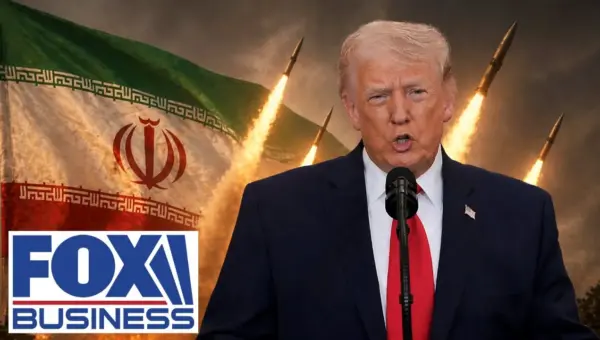
President Trump has signaled a tough stance on Iran, warning that he expects to be "bombing tomorrow" if a satisfactory deal isn't reached, with the current cease-fire set to expire. Despite the escalating rhetoric, financial markets have remained measured, seemingly pricing in a future resolution and a potential "peace dividend."