Iran Appoints New Supreme Leader Amidst Escalating Conflict
Iran has appointed Moshtab Hami as its new Supreme Leader following the death of his father, Ayatollah Ali Hami, in U.S. and Israeli strikes. The move is seen as a hardline response to international pressure, with experts warning that further military action could escalate the conflict and harden Iranian resolve.

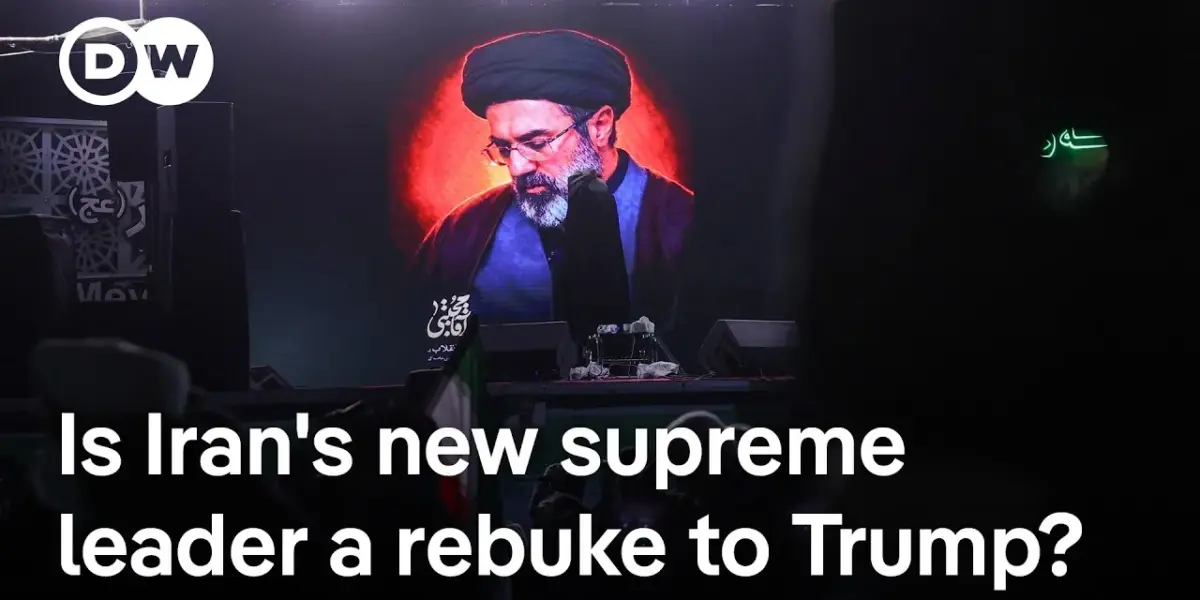
Iran Names New Supreme Leader After U.S.-Israeli Strikes Spark War
In the wake of a devastating week of conflict, Iran has appointed a new Supreme Leader, 56-year-old Moshtab Hami, to succeed his father, Ayatollah Ali Hami, who was killed in U.S. and Israeli strikes that initiated the current war. The appointment, announced by Iran’s state television, signifies a hardening of the regime’s stance amidst escalating international tensions.
Who is the New Supreme Leader?
Moshtab Hami, the son of the recently deceased Ayatollah Ali Hami, is described as a hardliner and a mid-level Shiite cleric. Until his appointment, he held no public office but maintained close ties to Iran’s Revolutionary Guard. His ascension to the highest office in Iran is seen by many as a direct rebuke to the United States and its allies.
A Rebuke to the White House?
Ben Friedman, Policy Director at Defense Priorities, characterized the appointment as a “strong rebuke” and unsurprising. “I think anyone who’s surprised that the Iranians have essentially said, ‘we’re not going to let you force us to pick someone moderate or more cooperative’ is delusional,” Friedman stated. He argued that bombing a country and making demands typically rallies support for the government and hardliners, a predictable nationalistic response.
“The more they kill the Iranian leadership, the harder line the Iranian leadership is likely to get.”
Friedman expressed concern that the White House might consider further action against the new leader, warning that such a strategy could be counterproductive. “I think unfortunately they don’t understand that, you know, the more they kill the Iranian leadership, the harder line the Iranian leadership is likely to get,” he explained. He also noted the potential for Israeli assassination attempts, given the U.S. government’s past alignment with Israeli actions.
Escalation and Resistance
The appointment of a hardline successor is seen as a clear signal that Iran will not capitulate to external pressure. “The Iranians aren’t just going to sort of bow down and, you know, sign some deal that Trump demands of them that they’re going to resist and they’re going to fight,” Friedman commented. He added that the reaction to being attacked and facing coercive demands is to “assert their will and show that they can’t be bossed around.”
Friedman suggested that the U.S. might have missed an opportunity for a diplomatic solution. “The United States is simply making things harder for itself. If indeed our goal was to get some sort of deal here by making these demands and bombing to get them, we would have been better off a week ago just signing the deal that the Iranians are ready to sign.”
A Calculated Gamble?
The situation is described as a gamble, particularly from the Iranian regime’s perspective. While U.S. President Trump has deemed the new leader “unacceptable” and likely desires a more compliant regime, Iran views succumbing to coercion as a path to perpetual bullying. “In fact, they’d rather be targeted for death than to give in to the United States and Israel like that,” Friedman asserted.
U.S. policy and Regional Allies
Regarding potential U.S. Strategies to counter a more hardline Iranian leadership, Friedman suggested that the previous hardline stance did not preclude a deal. He reiterated that Iran was prepared to sign a deal more favorable than the Obama-era JCPOA before the recent bombings. However, he believes the current conflict has made such an agreement significantly harder to achieve.
Friedman advocated for the U.S. To withdraw from the conflict, stating, “We don’t need it. It’s not good for the American interests.
It’s a mistake. We don’t work for Israel.” He criticized the current administration’s alignment with Israeli interests, suggesting that the U.S. is being drawn into conflicts at Israel’s behest.
“We shouldn’t give the Israelis that much support. We should tell them, look, you’re in charge of your own security. We don’t work for you.”
Misguided Consensus and Manufactured Threats
Friedman elaborated on his view that the war is a product of both Trump’s military adventurism and a broader, misguided consensus in Washington that Iran is a problem requiring a U.S. Solution. He argued that Iran is not a threat to the United States and that even its nuclear program, which has not crossed into weaponization, should be viewed as a defensive measure.
“The more we threaten them and say we’re going to bomb you if you don’t have nukes, the more incentive we’re giving them to have nuclear weapons,” he stated, drawing parallels to the treatment of North Korea versus Libya. Friedman believes the U.S. has inadvertently pushed Iran towards such actions through its foreign policy and that a more constructive approach would involve leaving Iran alone and allowing it to function as a normal country.
Credibility of Nuclear Claims
Addressing claims about Iran’s proximity to developing nuclear weapons, Friedman dismissed them as not credible. He recalled President Trump’s earlier boasts about decimating Iran’s nuclear program, stating, “The fact is that we did along with the Israelis severely degrade their program which was even then… More than two weeks away significantly more.” He maintained that Iran has repeatedly shown no desire to weaponize its nuclear capabilities, instead using the program as leverage for sanctions relief.
Looking Ahead: A Protracted Conflict?
Friedman predicted that the U.S. is unlikely to achieve many of its stated objectives in the conflict. While acknowledging the possibility of degrading Iran’s military capabilities, he doubts regime change is feasible. He suggested a potential outcome where the U.S. might “declare victory” and move on, similar to its approach in Yemen, potentially leading to a “cold peace” within months.
“It’s probably going to escalate further and it’s not going to resolve in a nice settled peaceful way,” Friedman concluded, but expressed hope that the administration might eventually disengage from the conflict.
Source: Iran war: Why the new supreme leader is a rebuke to Trump | DW News (YouTube)

Related Articles


US-Iran Talks Collapse: Ceasefire in Peril, War Looms
US-Iran peace talks have collapsed, leaving a vital ceasefire in jeopardy. Iran refuses to negotiate as long as the US naval blockade remains, threatening an "unlimited" response to any US strike. Former President Trump has indicated a lack of interest in extending the ceasefire and expects military action.


Ukraine Strikes Cripple Russian Oil; US Goes Global
Ukraine's drone attacks are crippling Russian oil exports and production, forcing significant output reductions. Simultaneously, the U.S. Navy is expanding its reach globally, seizing Iranian oil tankers far from the Persian Gulf. This dual pressure signals a potential breakdown of global trade in energy, agriculture, and manufacturing.

Iran Talks Shattered: Blockade, Threats Doom Diplomacy
U.S.-Iran talks have collapsed amid a naval blockade and threats of military action. Iran refuses to negotiate under duress, leading to a breakdown in diplomacy. The fragile ceasefire is set to expire soon, raising fears of renewed conflict.