Iran Has ‘Many Cards to Play’ in Mideast Conflict
U.S. intelligence agencies assessed pre-war that a large-scale attack on Iran would unlikely lead to regime change, despite President Trump's stated goals. Meanwhile, Iran retains significant options for escalation, including targeting global infrastructure and leveraging terror networks, while a recent school attack's attribution remains controversial.

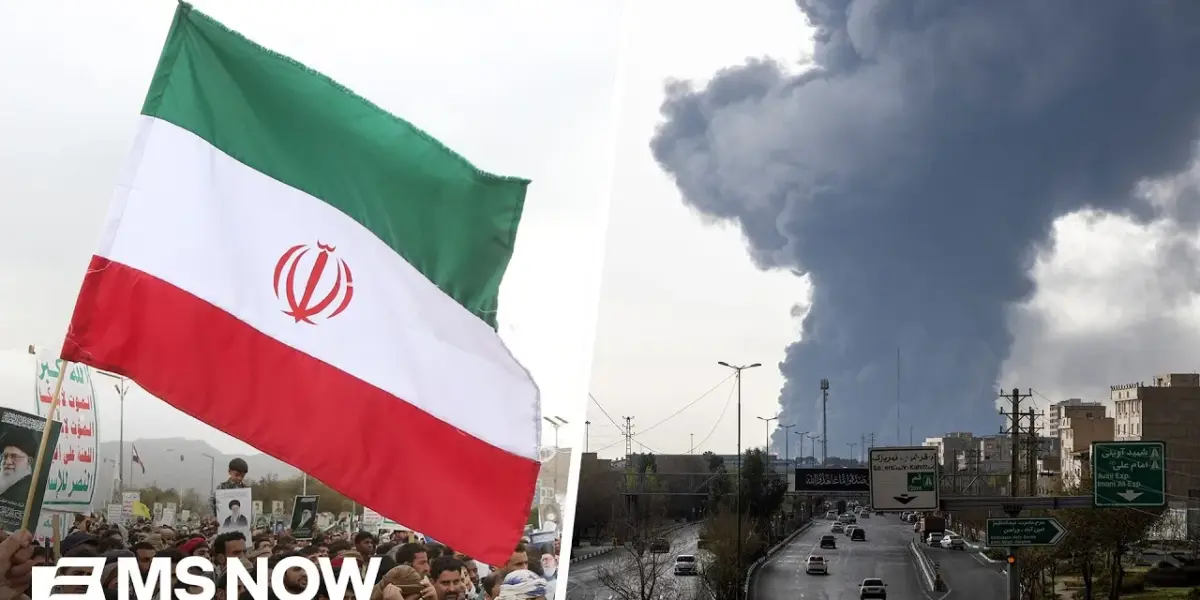
US Intelligence Doubts Regime Change in Iran Amidst Escalating Conflict
A pre-war intelligence assessment by U.S. Agencies concluded that even a large-scale attack on Iran was unlikely to result in regime change, according to a report initially published by The Washington Post. The assessment, reflecting the views of the National Intelligence Council and the Office of the Director of National Intelligence, suggests skepticism about the Iranian opposition’s ability to seize power, with a continuation of the current theocratic government being the most probable outcome. This intelligence contradicts President Trump’s stated desire for regime change and his ambition to influence the selection of a new Iranian government, a goal experts deem difficult to achieve without a significant U.S. military presence on the ground.
Targeted Assassinations Hinder US Regime Change Hopes
Adding complexity to the U.S. Objective of influencing Iran’s leadership, reports from The New York Times indicate that Israeli strikes, aimed at eliminating top national security officials, have also killed individuals identified by the Trump administration as potential pragmatists who could lead a more conciliatory government. These pragmatists, while not moderates by traditional definitions, were seen by the U.S. As potential interlocutors. The repeated elimination of such figures, including those who might have been amenable to dealing with the U.S., significantly curtails the options for American influence in shaping Iran’s future government.
Cracks in Iranian Leadership and Presidential Missteps
Recent reporting by Reuters suggests divisions within Iran’s leadership, with tensions between hardliners and more pragmatic factions. These internal rifts appear to be exacerbated by President Trump’s promise not to strike Gulf states, a statement that reportedly caused confusion and backtracking within the Iranian government.
The Iranian president’s initial statement suggesting a lack of targeting of Gulf states, made concurrently with Iranian projectiles targeting these regions, was quickly contradicted by other elements of the Iranian apparatus. This episode highlights the challenges U.S. Policymakers face in interpreting Iranian statements and highlights the need for careful consideration of expert advice rather than knee-jerk reactions, particularly when communicating through social media.
Iran’s Strategic Escalation: A Measured Response
Despite the ongoing conflict and U.S. Pressure, Iran is assessed to have “many cards yet to play.” While Iran has initiated retaliatory actions, including targeting energy infrastructure, U.S. Diplomatic facilities, military bases, and Israel, its response is seen as measured rather than a full-scale escalation. Experts note that Iran has not yet exploited its full range of options, such as broadly targeting massive energy infrastructure, desalination plants, or activating its global terror networks in Europe and the United States. This strategic approach suggests Iran is conserving its capabilities for future pressure.
School Attack Controversy: U.S. Strike Suspected
President Trump has attributed the deadly strikes on a girls’ school in southern Iran, which killed up to 175 people including children, to Iran. However, multiple news outlets, including The New York Times, suggest that the strike was likely a U.S. Accidental strike in an area where U.S. forces were operating.
This assessment contrasts sharply with the administration’s handling of collateral damage in past conflicts, where information has typically been released more rapidly. The incident is viewed by some as a potential major mistake of the war, with the U.S. Administration’s efforts to shift blame to Iran drawing scrutiny.
Iran’s Options for Escalation and Global Impact
Iran possesses several avenues for escalating the conflict. Geographically, it could expand the scope of its attacks beyond the Gulf and Israel, potentially reaching targets in Azerbaijan, Turkey, and Cyprus, with its missile and drone capabilities extending further.
Secondly, Iran can leverage its global network of terrorist cells, which have previously been used to target officials in the U.S., Europe, and Latin America. Thirdly, Iran could target more civilian infrastructure, such as electrical grids, desalination plants, and further energy facilities, which could have severe economic repercussions not only in the Gulf but globally, given the region’s key role in international trade and energy supply.
Sanctions Relief for Russia and Energy Market Dynamics
In a related development, the White House has defended its decision to suspend sanctions on Russia, allowing for the legal sale of oil. This move is framed as a pragmatic measure to stabilize energy prices and ensure refineries remain supplied.
However, experts argue that Russia stands to benefit significantly from this sanctions relief, as well as from the United States being engaged in conflict with Iran. The war diverts U.S. military focus from Ukraine, allows Russia to observe the U.S. Expending resources, and creates market opportunities for Russian oil as Iranian and Gulf oil supplies are disrupted.
Unresolved Issues and the Path Forward
The duration of the conflict remains a critical unanswered question. President Trump appears to be navigating the situation with evolving strategies, facing unresolved issues such as the potential for the Iranian people to rise up and the security of Iran’s nuclear sites. The increasing oil prices are creating pressure on the U.S. To find a resolution.
The coming days are deemed crucial, as they will indicate whether Iran maintains its pace of attacks or if a de-escalation occurs, which could reduce pressure on the U.S. To conclude the conflict. The lack of organized opposition within Iran, hampered by decades of repressive measures and current internet blackouts and airstrikes, makes an internal uprising unlikely in the immediate future.
Source: Iran has ‘many cards yet to play’ in war with U.S., Israel predicts Middle East expert (YouTube)

Related Articles

Ukraine Strikes Cripple Russian Oil; US Goes Global
Ukraine's drone attacks are crippling Russian oil exports and production, forcing significant output reductions. Simultaneously, the U.S. Navy is expanding its reach globally, seizing Iranian oil tankers far from the Persian Gulf. This dual pressure signals a potential breakdown of global trade in energy, agriculture, and manufacturing.


Russia’s Economy Crumbles Under Sanctions, Dissent Grows
New intelligence reports indicate Russia's economy is collapsing under sanctions, with falling oil revenues and rampant inflation. Dissent is growing, with prominent figures and even pro-Kremlin bloggers openly criticizing the government and President Putin.
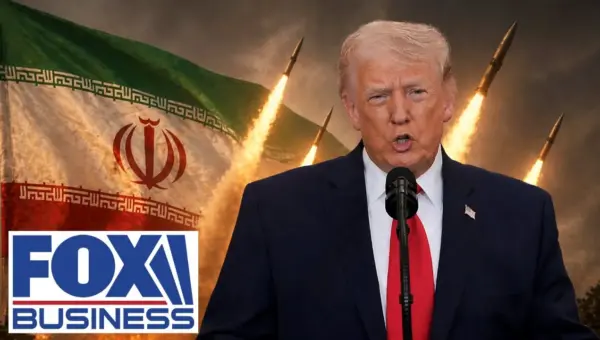
Trump Warns Iran: Bombing Could Start ‘Tomorrow’
President Trump has signaled a tough stance on Iran, warning that he expects to be "bombing tomorrow" if a satisfactory deal isn't reached, with the current cease-fire set to expire. Despite the escalating rhetoric, financial markets have remained measured, seemingly pricing in a future resolution and a potential "peace dividend."