Iran Selects New Supreme Leader Amidst Israeli Warning
Iran has announced a consensus has been reached on a successor to Ayatollah Khomeini, selecting a qualified cleric and jurist for the role. However, Israel has issued a direct and ominous warning, threatening to target those involved in the selection process.

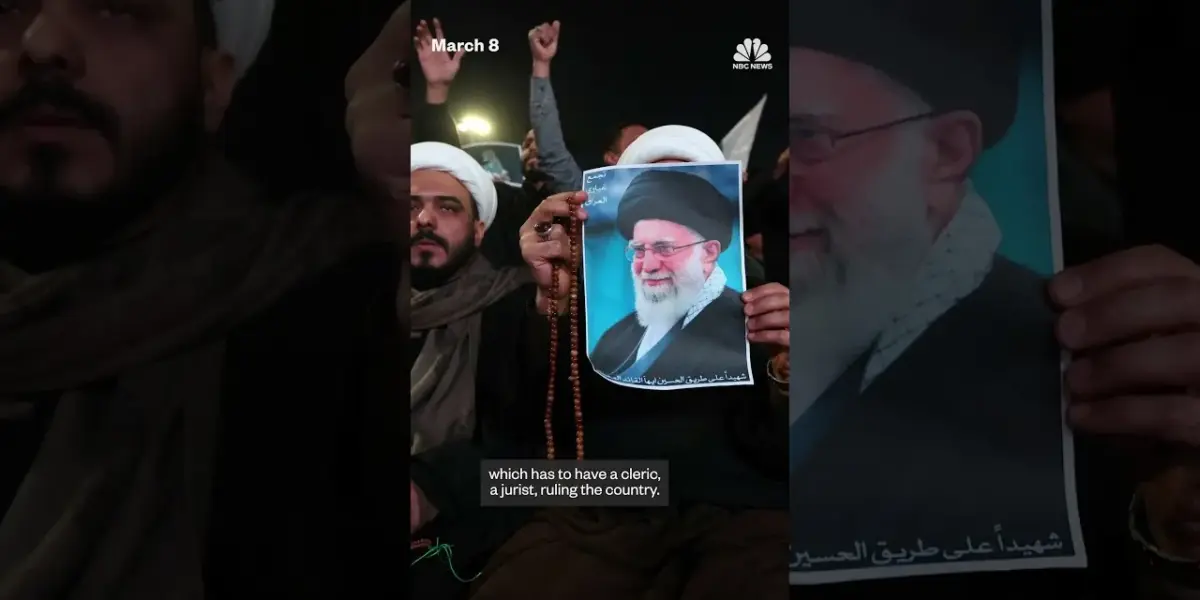
Iran Claims Consensus on New Supreme Leader After Ayatollah’s Death
Tehran, Iran – Iran has announced that a consensus has been reached on a successor to the late Ayatollah Ruhollah Khomeini, the charismatic founder of the Islamic Republic, though the identity of the chosen individual remains undisclosed. The move comes as the nation grapples with the significant political and spiritual vacuum left by Khomeini’s passing, a development that has also drawn a sharp and ominous warning from Israel.
The Unveiling of a “Sed” Leader
Iranian officials have indicated that the selected leader possesses the requisite qualifications to lead the country under Iran’s unique governance system, which mandates that a cleric and jurist must rule. The chosen successor is described as a “Sed,” a term signifying that he has attained significant clerical academic qualifications. This designation suggests a deep understanding of Islamic jurisprudence and governance, crucial for fulfilling the requirements of the Supreme Leader’s role.
Sources close to the selection process have revealed that the new leader will be recognizable by the traditional black turban, a sartorial symbol worn by Ayatollah Khomeini and many other high-ranking clerics in Iran. This visual cue is intended to highlight the continuity of leadership and the adherence to the foundational principles of the Islamic Republic.
Iran’s Unique Political Structure
The concept of a ruling jurist is central to the political framework of Iran. Established after the 1979 revolution, the system of Velayat-e Faqih, or Guardianship of the Jurist, designates the Supreme Leader as the highest political and religious authority. This figurehead is responsible for setting the state’s general policy and has the final say on all major decisions, acting as the ultimate arbiter in both domestic and foreign affairs.
The selection of a new Supreme Leader is therefore a key moment for Iran, impacting its internal stability, its regional policies, and its relationship with the international community. The process, while described as having reached consensus, is inherently complex, involving consultation among senior clerics and political elites.
Israel Issues Stark Warning to Successor Selection Attendees
The internal process within Iran has been met with a swift and aggressive response from Israel. The Israeli Foreign Ministry, via its Farsi-language Twitter account, issued a direct and chilling warning to those involved in the selection of Khomeini’s successor. The statement declared, “We warn all those who intend to participate in the successor selection meeting that we will not hesitate to target you either.”
This unprecedented threat highlights the deep animosity and ongoing geopolitical tensions between Iran and Israel. The warning suggests that Israel views the succession process and the potential emergence of a new leader as a direct threat to its security interests, implying that any individuals involved in solidifying the new leadership could be considered legitimate targets.
Broader Implications and Regional Instability
The death of Ayatollah Khomeini and the subsequent selection of his successor occur at a sensitive time for the Middle East. The region is already fraught with complex rivalries, proxy conflicts, and the ever-present threat of escalation between major powers. The emergence of a new, potentially assertive, leader in Iran could significantly alter the regional dynamics.
The Israeli warning, in particular, raises concerns about the potential for direct confrontation. It signals a willingness by Tel Aviv to take preemptive action, highlighting the precarious balance of power in the region. The international community will be closely monitoring Iran’s internal developments and the reactions of its adversaries, particularly Israel, as the implications for regional stability remain uncertain.
What to Watch Next
The immediate focus will be on whether Iran officially announces the name of its new Supreme Leader and the details surrounding the transition. Equally critical will be observing Israel’s actions in response to this development and whether the stark warning translates into any tangible military or political moves. The international community’s diplomatic engagement with Tehran during this period will also be crucial in navigating the potential for heightened tensions.
Source: Iran says it has reached a 'consensus' on a new leader (YouTube)

Related Articles

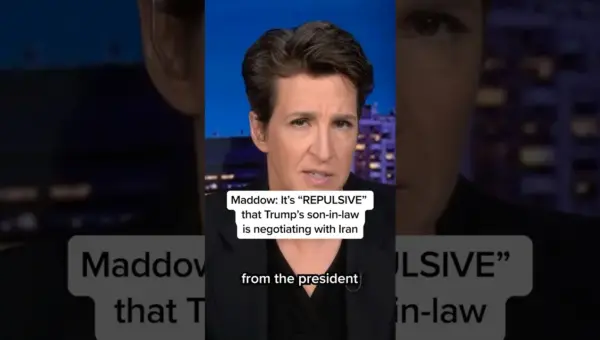
Kushner’s Iran Talks Draw ‘Repulsive’ Criticism
Rachel Maddow of MSNBC has voiced strong disapproval of Jared Kushner's reported involvement in negotiating with Iran. She described the situation as 'repulsive,' citing concerns over Kushner's business interests and lack of traditional diplomatic experience. This raises questions about potential conflicts of interest and the effectiveness of such sensitive talks.

Germany-Israel Ties Tested Amid Policy Differences
Germany and Israel are experiencing strains in their relationship, marked by a lack of top-level cabinet talks since 2018 and differing views on the two-state solution and the Gaza conflict. Despite these policy gaps, Germany demonstrated significant political engagement with Israel following the October 7th attacks, sending numerous high-ranking officials.

Iran’s ‘New Cards’ Threat Risks Further Global Isolation
Iran's parliament speaker has threatened to reveal 'new cards,' but former Pentagon officials believe this will further isolate the regime. These potential moves, likely involving proxies or sleeper cells, are seen as a familiar but ineffective tactic. Investors are watching for potential escalation and its impact on regional stability and energy markets.