Iran Rejects Ceasefire: Trump’s Mideast Gamble Unravels
Iran's persistent rejection of ceasefire proposals signals a dangerous escalation in its conflict with the United States. This analysis examines the shifting justifications, the devastating humanitarian and economic impacts, and the complex regional dynamics at play.

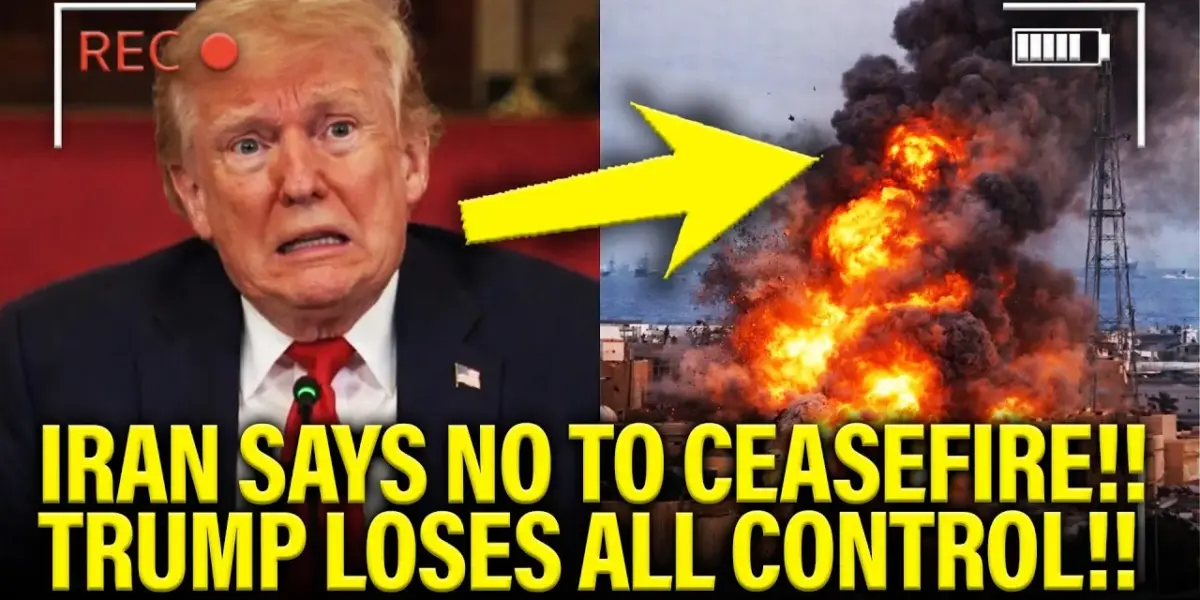
Iran Rejects Ceasefire: Trump’s Mideast Gamble Unravels
The escalating conflict between the United States and Iran has reached a critical juncture, with Iran’s repeated rejection of ceasefire proposals casting a shadow over President Donald Trump’s foreign policy objectives. What began as a targeted military action has, according to critics, spiraled into a wider regional conflagration with devastating humanitarian and economic consequences. This analysis digs into the complexities of the ongoing conflict, examining the stated justifications, the ground realities, and the potential ramifications for global stability.
Shifting Narratives and Stated Justifications
President Trump, in public statements, has projected an image of unwavering resolve, dismissing concerns about the economic fallout and the risk to American lives. When questioned by ABC News, he characterized the situation as a “little glitch” and a necessary “detour,” asserting that he “knew exactly what was going to happen.” Critics, however, point to the loss of American lives and the broader regional instability as evidence that the situation has indeed spiraled out of control, with no clear exit strategy.
The administration’s rationale for its actions has also been subject to scrutiny. Initially citing Iran’s alleged plans to attack the entire Middle East, the narrative appears to be shifting.
This perceived inconsistency fuels accusations of a regime that “lies about literally everything,” as one commentator put it. President Trump’s assertion that Iran must consult him on the selection of its next Ayatollah highlights a perceived overreach and a disregard for Iranian sovereignty.
The Humanitarian and Environmental Toll
Reports from the ground paint a grim picture of the conflict’s impact on Iran. Strikes on oil depots have allegedly resulted in “black rain” and environmental damage, with descriptions of sewage systems filled with oil and ignited, creating scenes of devastation. The targeting of desalination plants, crucial for providing purified water in the arid Middle East, has exacerbated the humanitarian crisis, potentially impacting not only Iran but also neighboring nations reliant on these facilities.
In response to these actions, Iran has retaliated with missile and drone attacks, striking targets in Israel and Bahrain. The attack on Bahrain’s desalination plants is particularly concerning, demonstrating a willingness to inflict reciprocal damage on critical infrastructure and escalating the conflict’s scope.
Economic Repercussions and Global Trade Disruption
The conflict’s economic consequences are far-reaching. The Strait of Hormuz, a vital chokepoint for global oil shipments, has seen traffic “practically zero” for the first time in 80 years due to Iranian threats. This disruption has sent shockwaves through global energy markets, with fears of rising gas prices and significant economic fallout for nations reliant on Middle Eastern oil.
Iraqi oil output has reportedly plunged by approximately 60%, and Qatar has curtailed its liquefied natural gas production. The ripple effects are expected to impact global inflation, potentially pushing consumer price indices higher.
Alliances and Regional Dynamics
The conflict has strained regional alliances, with Arab nations hesitant to be drawn into a wider war. While some reports suggested the United Arab Emirates (UAE) was involved in strikes against Iran, UAE officials have publicly denied offensive actions, expressing frustration with Israeli statements that attributed such actions to them. This highlights the delicate diplomatic tightrope being walked by regional players, who are wary of escalating tensions and damaging their own economic and political interests.
Lindsey Graham, a prominent Trump ally, has been vocal in advocating for a more aggressive stance, urging Arab allies to join the fight and emphasizing a desire for swift and decisive victory. His rhetoric, however, has been criticized as overly bellicose and detached from the grim realities of war.
Media’s Role and Information Warfare
The role of media in shaping public perception of the conflict is also a significant factor. Allegations of media manipulation, including the use of outdated footage by Fox News during coverage of a dignified transfer ceremony, raise concerns about the accuracy and impartiality of reporting. The commentary highlights the importance of media literacy and the use of tools like Ground News to access a broader spectrum of reporting and identify potential biases.
Disputes over the attribution of attacks, such as the strike on an elementary school in southern Iran, further highlight the challenges of discerning truth amidst a complex information environment. While the Trump administration claims Iran is responsible, independent investigations by outlets like Reuters, CNN, and The New York Times, as well as intelligence assessments, suggest U.S. Involvement. The Iranian foreign minister vehemently denies responsibility, presenting evidence of an American jet fighter attack.
Why This Matters
The escalating conflict in the Middle East, characterized by Iran’s rejection of ceasefires and the potential for wider regional destabilization, has profound implications. It highlights the dangers of unchecked escalation, the human cost of prolonged warfare, and the fragility of global economic stability. The differing narratives surrounding the conflict highlight the critical need for transparent and accurate reporting, as well as robust diplomatic engagement to de-escalate tensions and prevent further loss of life.
Implications, Trends, and Future Outlook
The current trajectory suggests a prolonged period of heightened tension and potential for further military engagements. The economic repercussions, particularly concerning energy markets and global trade, are likely to persist.
The conflict also is a clear reminder of the complex geopolitical landscape in the Middle East and the challenges of achieving lasting peace through military means alone. The future outlook hinges on diplomatic breakthroughs, a de-escalation of rhetoric, and a renewed commitment to international cooperation.
Historical Context and Background
The current tensions are rooted in a long history of complex relations between the United States and Iran, marked by periods of cooperation and significant animosity. Events such as the 1953 coup, the Iranian Revolution of 1979, and subsequent diplomatic standoffs have shaped the current dynamic. Understanding this historical context is crucial for appreciating the deep-seated mistrust and the challenges inherent in resolving the present conflict.
Source: Trump LOSES IT as IRAN REJECTS CEASEFIRE…AGAIN!!! (YouTube)

Related Articles

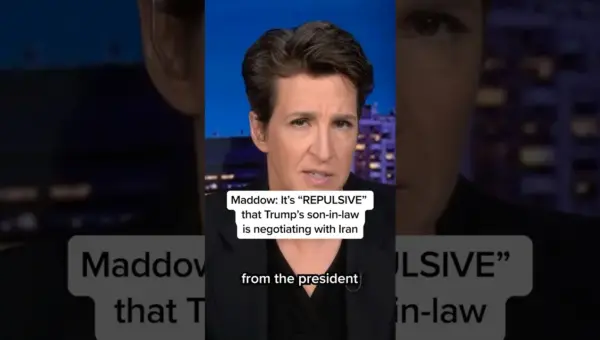
Kushner’s Iran Talks Draw ‘Repulsive’ Criticism
Rachel Maddow of MSNBC has voiced strong disapproval of Jared Kushner's reported involvement in negotiating with Iran. She described the situation as 'repulsive,' citing concerns over Kushner's business interests and lack of traditional diplomatic experience. This raises questions about potential conflicts of interest and the effectiveness of such sensitive talks.


US-Iran Talks Collapse: Ceasefire in Peril, War Looms
US-Iran peace talks have collapsed, leaving a vital ceasefire in jeopardy. Iran refuses to negotiate as long as the US naval blockade remains, threatening an "unlimited" response to any US strike. Former President Trump has indicated a lack of interest in extending the ceasefire and expects military action.

Ukraine Strikes Cripple Russian Oil; US Goes Global
Ukraine's drone attacks are crippling Russian oil exports and production, forcing significant output reductions. Simultaneously, the U.S. Navy is expanding its reach globally, seizing Iranian oil tankers far from the Persian Gulf. This dual pressure signals a potential breakdown of global trade in energy, agriculture, and manufacturing.