Iran War Fuels Public Dissent Amidst Escalating US Military Footprint
As the U.S. expands its military footprint in the Middle East, public support for the war in Iran plummets to historic lows. This analysis delves into the complex metrics of success, the risks of maximalist strategy, and the uncertain path forward.

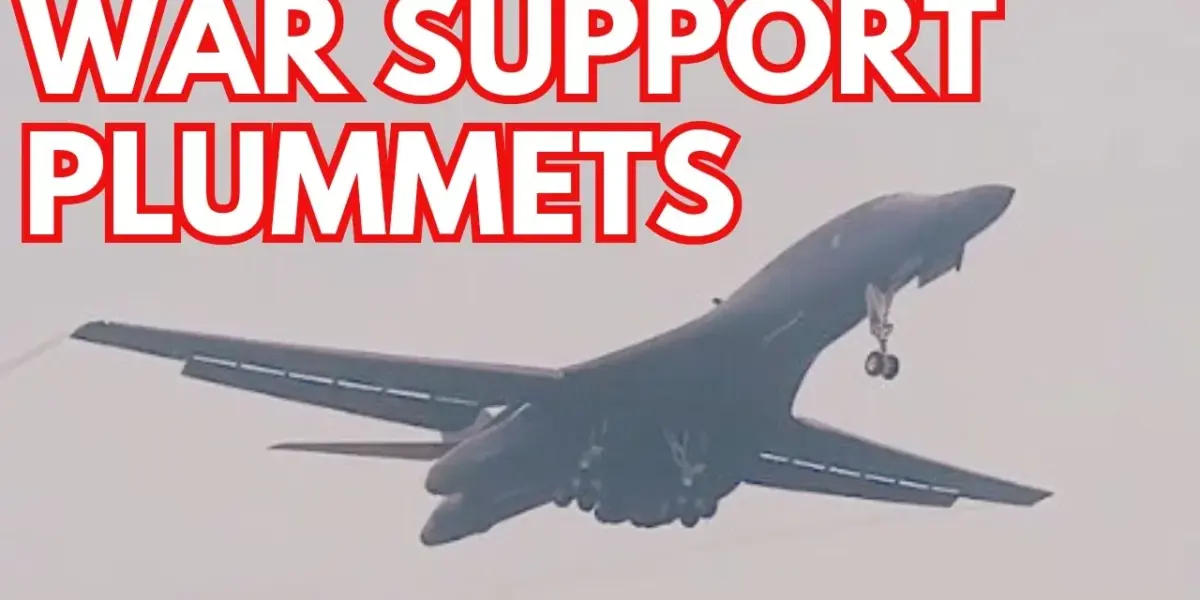
US Escalates Middle East Presence Amidst Alarming Public Apathy
The United States is significantly increasing its military deployment in the Middle East as hostilities with Iran continue to expand. This escalation occurs against a backdrop of starkly low public support, with only 38% of Americans backing the current military action. This figure is notably lower than the public approval seen at the outset of previous major conflicts, such as the invasions of Afghanistan (90% support) and Iraq (76% support).
The conflict appears to be widening, with recent reports indicating a “horizontal escalation” that involves other regional players. The target set has also reportedly shifted, with the U.S. and Israel allegedly striking oil refineries within Iran.
Troop Buildup and Naval Power Projection
The troop buildup is a consistent theme, echoed by statements from Secretary Hegath and Chairman of the Joint Chiefs General Kaine, who have confirmed the daily addition of forces to the Middle East. The deployment of a third carrier strike group, the USS George H.W. Bush, to the eastern Mediterranean is imminent.
This vessel will join the USS Gerald R. Ford and USS Abraham Lincoln, potentially replacing the Ford which may be overextended. The prolonged presence of three carrier strike groups in the region raises questions about the indefinite nature of this deployment until the conflict concludes.
Assessing Progress: A Tale of Two Wars
A critical, yet often overlooked, aspect of this conflict is the assessment of U.S. and Israeli progress. An analysis from the Washington Institute, specifically highlighting the work of Michael Singh, suggests that while military gains are being made, a broader victory hinges on sustained domestic support and avoiding past strategic overreach. However, the current domestic sentiment is a significant hurdle.
Polling data indicates that 38% of Americans approve of U.S. military action in Iran, with 49% disapproving. When undecided respondents are excluded, the disapproval rate climbs to 56%. This signifies not just negative numbers, but a deeply unpopular war from its inception.
The 38% approval rating is lower than that for the war in Iraq in 2014, a time when many were unaware the conflict was still ongoing. This historical context highlights the unprecedented challenge faced by the current administration, as no president in modern polling history has initiated a major military operation with such widespread public opposition.
Measuring Success: Metrics and Realities
The metrics for success in this conflict are complex and seemingly divergent. U.S. Central Command reports hitting over 3,000 targets and damaging or destroying 43 Iranian warships. The Israel Defense Forces (IDF) claim to have struck 750 targets, dismantled 300 missile launchers, and eliminated 40 senior Iranian officials.
While a reduction in missile launches is a significant indicator of degraded capability, it does not fully capture the impact. Strikes that disable mobile launchers and missile sites are effective, but Iran’s continued ability to launch drones and missiles, even if at reduced rates, still poses a threat to regional stability, civilian infrastructure, and U.S. Bases.
The elimination of large Iranian Navy vessels is noted, but the threat posed by the IRGC’s fast boats, autonomous systems, and submarines remains. The exact number and types of missiles Iran still possesses are unclear, fueling concerns about its persistent threat capabilities.
The transcript highlights a crucial distinction: the U.S. and Israel are engaged in what can be described as two different wars with distinct objectives. U.S. Objectives include the destruction of Iran’s missile arsenal, the dismantling of its navy, neutralizing its proxy networks, and preventing it from acquiring nuclear weapons.
Iran’s primary objective, conversely, is to survive and compel the U.S. and Israel to cease hostilities. This divergence in goals makes a straightforward assessment of progress difficult.
“The conundrum that US officials face is while the United States and Israel are clearly winning the war in military terms, if they stopped fighting today, they would be judged to have lost. If commercial shipping does not quickly resume or if Iran retains the ability to menace the Middle East with missiles and drones or to resume its progress towards a nuclear weapon, then the war will have achieved little at great cost.”
The Risk of Maximalism and the Search for an Off-Ramp
The Washington Institute cautions against “maximalist aims,” drawing parallels to the protracted and costly conflicts in Iraq and Afghanistan. The pursuit of regime change, while advocated by some, could lead to similar quagmires.
However, President Trump’s recent statements, including calls for “unconditional surrender” and the selection of a new leader in Iran, suggest a potential push for regime change. This ambition clashes with the reality of the war’s economic impact, particularly rising gas prices, which could pressure the administration to seek an “off-ramp.”
The transcript also addresses Iran’s purported surrender, citing statements from Iranian officials about ceasing attacks on neighboring countries. However, these claims are met with skepticism, as Iran’s actions have historically contradicted such assurances, and the U.S. has continued to conduct strikes. The possibility of Iran doubling down on attacks against regional oil infrastructure, in retaliation for strikes on its own refineries, is a significant concern that could further destabilize the global energy market.
The Unseen Threat: Ground Forces and Strategic Readiness
The discussion of potential ground troop deployments is gaining traction. While initially dismissed, options are no longer being ruled out, with reports suggesting President Trump is considering boots on the ground.
The cancellation of a major training exercise for elements of the 82nd Airborne Division from Fort Bragg has been noted as a potential indicator, though it is a far cry from actual deployment. This raises questions about the initial planning for the conflict and whether the administration was prepared for a protracted engagement requiring ground forces.
Defining Victory and the Path Forward
The narrative of victory is already being shaped, with some commentators on Fox News listing military objectives achieved as evidence of success. However, the analysis presented warns that declaring victory prematurely could be detrimental. A wounded Iran, denied its immediate objectives, might be more inclined to pursue nuclear weapons, rebuild its military infrastructure, and leverage regional instability as a bargaining chip.
The core issue remains: the current military actions, while achieving tactical successes, may not fully address the long-term strategic threats posed by Iran. The conflict’s true measure of success will likely depend on Iran’s future conventional and nuclear capabilities, its ability to destabilize the region, and the enduring cost to U.S. Interests and global stability.
Why This Matters
The current situation in the Middle East is a complex geopolitical tinderbox. The low public support for the war in Iran, juxtaposed with an expanding military footprint and escalating rhetoric, presents a dangerous dynamic. The disconnect between military objectives and the potential for achieving them solely through air power and standoff munitions is a critical concern.
The economic repercussions of such a conflict, including potential disruptions to global oil supplies and rising energy prices, directly impact the American public. The administration’s strategy, particularly regarding the potential for ground troop deployment and the elusive definition of victory, will have profound implications for regional stability and U.S. Foreign policy for years to come. The historical parallels to previous prolonged conflicts serve as a clear reminder of the potential costs of miscalculation and overreach.
Implications, Trends, and Future Outlook
The trend of increasing U.S. military presence in the Middle East, coupled with declining public appetite for prolonged conflict, suggests a challenging road ahead. The conflict’s expansion beyond direct military engagements to economic warfare, such as targeting oil refineries, indicates a broadening scope of hostilities. The future outlook is uncertain, with the potential for further escalation or a premature declaration of victory that leaves underlying threats unresolved.
The administration’s ability to navigate these competing pressures—military objectives, domestic support, economic stability, and regional diplomacy—will be paramount. The possibility of Iran emerging from this conflict more determined to pursue nuclear capabilities, due to perceived humiliation or strategic necessity, remains a significant long-term risk.
Historical Context and Background
The current tensions are rooted in decades of complex U.S.-Iran relations, marked by the 1953 coup, the 1979 Islamic Revolution, the Iran hostage crisis, and subsequent periods of proxy conflict and sanctions. The Obama administration’s Joint Comprehensive Plan of Action (JCPOA) aimed to curb Iran’s nuclear program, but the Trump administration’s withdrawal from the deal and reimposition of sanctions significantly heightened tensions.
The recent military actions represent a dramatic escalation in this long-standing adversarial relationship. Understanding this historical arc is crucial to contextualizing the current conflict, its drivers, and its potential trajectories.
Source: Only 38% Back Iran War as More Troops Deploy (YouTube)

Related Articles
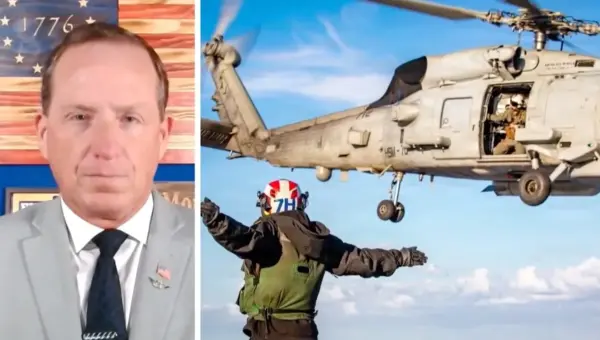
Iran’s Peace Talks Hinge on Internal Power Struggles
New peace talks between the U.S. and Iran face deep skepticism due to Iran's internal divisions. Retired Lt. Col. Darren Gob questions if any signed agreement will be honored by hardline factions. He believes U.S. objectives in limiting Iran's nuclear program and global influence have largely been met.
Netanyahu Declares War on Iran Far From Over
Israeli Prime Minister Benjamin Netanyahu declared that the conflict with Iran is far from over, emphasizing Israel's military strength and its role in defending Western civilization. This statement comes as a ceasefire is set to expire, amid ongoing tensions and economic impacts like surging oil prices.


Canada Steps Up as US Falters on Global Stage
Canada is stepping up as a global leader, forging new trade partnerships and strengthening its economy under Mark Carney's guidance. This strategic pivot aims to protect citizens from global instability, contrasting sharply with the U.S.'s shifting policies and internal economic struggles. Canada's focus on social programs and national investment signals a new era of independent strength.