Citizens Mobilize Against Potential Iran War Escalation
Residents of Minneapolis have taken to the streets to protest escalating tensions with Iran, signaling a growing public concern over potential military conflict. This demonstration highlights the vital role of citizen activism and independent media in shaping foreign policy discourse.

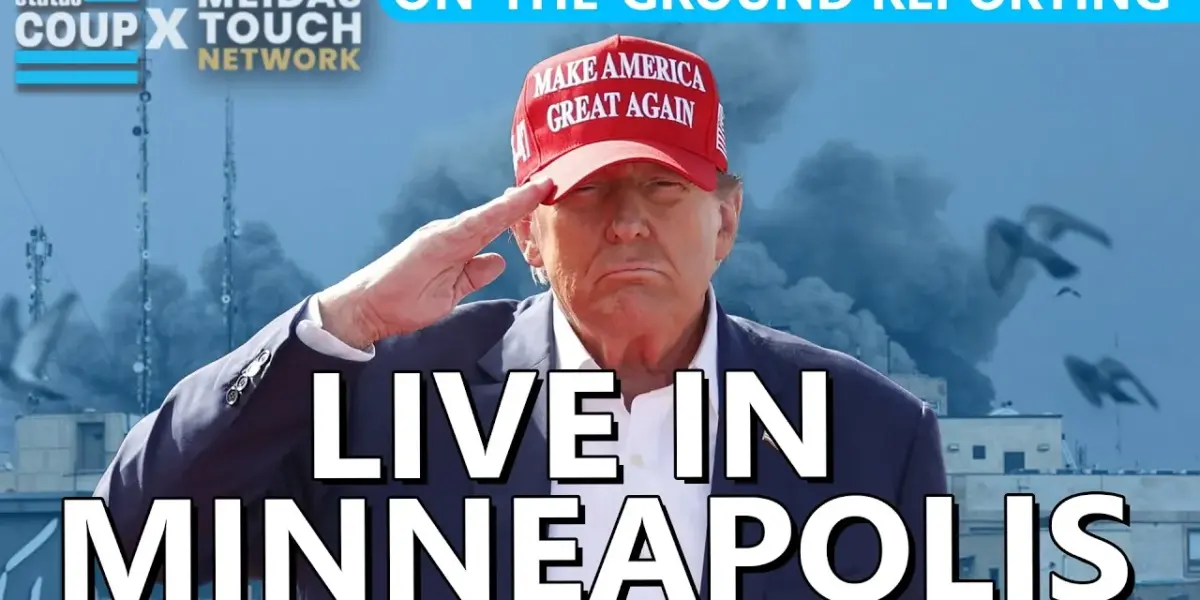
Citizens Mobilize Against Potential Iran War Escalation
In a potent display of civic engagement, residents of Minneapolis recently gathered for a significant protest against the escalating tensions between the United States and Iran. The demonstration, captured and reported on by independent media outlet Status Coup, highlights a growing public concern over potential military action and highlights the vital role of grassroots activism in shaping foreign policy discourse.
The Spark for Dissent
The protest was directly fueled by concerns that the Trump administration was intensifying actions against Iran, reportedly in coordination with Israel. This perceived escalation, even without explicit declarations of war, ignited a firestorm of apprehension among a segment of the public, leading to the organized demonstration in Minneapolis. The act of protesting, in this context, is a crucial mechanism for citizens to voice their opposition and demand accountability from their government, particularly when decisions carry the potential for widespread conflict and loss of life.
Voices from the Ground
Status Coup, known for its commitment to on-the-ground reporting and amplifying voices often overlooked by mainstream media, provided live coverage of the event. Their reporting aimed to not only document the protest itself but also to engage directly with the participants. By interviewing residents, the outlet sought to understand the personal motivations and broader concerns driving their presence.
This approach is central to Status Coup’s mission: to move beyond the headlines and provide a platform for the perspectives of working people, offering a counter-narrative to the often-sanitized accounts presented by corporate-owned media. The interviews likely delved into the specific anxieties about the human cost of war, the economic repercussions, and the perceived lack of transparency in foreign policy decisions.
The Role of Independent Media
Status Coup positions itself as a vital counterweight to established media narratives. Their emphasis on being “independent,” “on-the-ground,” and funded by the people signals a deliberate effort to provide reporting free from the commercial or political pressures that can influence larger news organizations.
By covering events like the Minneapolis protest, they aim to fill a perceived void in the media landscape, bringing attention to issues and perspectives that might otherwise remain marginalized. Their work in covering diverse events, from the Flint water crisis to the January 6th Capitol attack and labor strikes, demonstrates a commitment to shedding light on significant societal issues from a citizen-centric viewpoint.
Historical Echoes and Public Sentiment
The current anxieties surrounding potential conflict with Iran are not without historical precedent. The United States has a long and complex history of military involvement in the Middle East, often characterized by controversial interventions and prolonged engagements. Public opposition to war has historically played a significant role in shaping, and sometimes altering, foreign policy.
Movements against the Vietnam War, for instance, demonstrated the power of sustained public pressure. In this instance, the Minneapolis protest can be seen as a contemporary manifestation of this historical pattern, where citizens, armed with information and driven by a desire for peace, actively engage in the democratic process to influence governmental actions.
Why This Matters
The significance of such protests extends far beyond the immediate locality of Minneapolis. They serve as a barometer of public sentiment on critical foreign policy issues, particularly concerning the use of military force. In a democratic society, the ability of citizens to organize, protest, and voice their concerns is fundamental.
The presence of independent media outlets like Status Coup is crucial in facilitating this, ensuring that these voices are heard and that the public is informed about the potential consequences of geopolitical decisions. The protest against potential war with Iran highlights the enduring tension between executive power in foreign affairs and the public’s right to participate in decisions that profoundly impact national security and global stability.
Implications, Trends, and Future Outlook
The Minneapolis protest signals a continuing trend of citizen mobilization in response to perceived governmental overreach or potentially destabilizing foreign policy. As geopolitical tensions fluctuate, it is likely that similar demonstrations will emerge in other cities, driven by a public that is increasingly wary of military entanglements and demands greater transparency and democratic input. The rise of independent media platforms further empowers these movements by offering alternative channels for information dissemination and organization, bypassing traditional gatekeepers.
Looking ahead, the effectiveness of such grassroots efforts will depend on their ability to sustain momentum, build broader coalitions, and translate public concern into tangible political influence. The ongoing discourse surrounding US-Iran relations, and the public’s response to it, will be a critical indicator of the evolving relationship between citizens, media, and foreign policy in the 21st century.
Source: LIVE STOP TRUMP'S Iran War Protest in Minneapolis (YouTube)

Related Articles
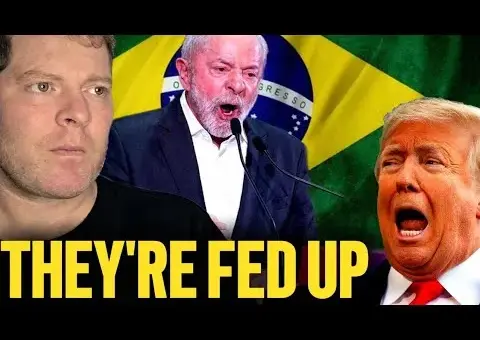
Global South Walls Off US, Demands New World Order
Leaders from the Global South, particularly Brazil, are challenging US foreign policy, citing unilateral actions and their negative global impact. They call for a new world order with greater representation and accountability, as current global governance structures are seen as ineffective in addressing rising conflicts and economic instability.

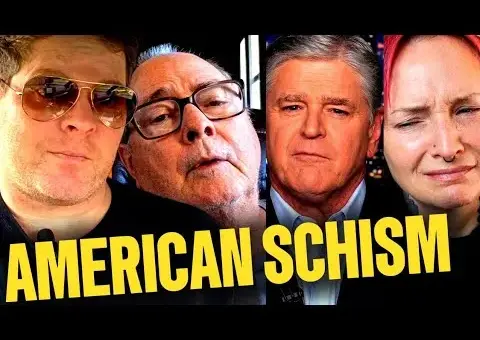
Media War on Vatican Fuels US Empire’s End
Corporate media's attack on the Pope is seen as a tactic to distract from economic hardship and the costs of U.S. foreign policy. This narrative war, fueled by figures like Sean Hannity, mirrors historical power grabs and serves to protect the interests of the military-industrial complex.
Did We Win? The Confusing Reality of US Mideast Policy
President Trump claims victory over Iran, but military deployments and regional changes suggest otherwise. Analysts highlight a gap between official statements and the complex reality on the ground. The situation raises serious questions about the costs and true outcomes of U.S. involvement in the Middle East.