Israel-Hezbollah War Escalates: Lebanon Faces ‘Much Worse’ Conflict
Lebanon is bracing for a significantly worse conflict as Israeli strikes against Hezbollah intensify, leading to mass displacement of over 300,000 civilians. Fears grow of a potential Israeli buffer zone in the south, while Hezbollah demonstrates continued military capability despite previous Israeli efforts to degrade its forces.

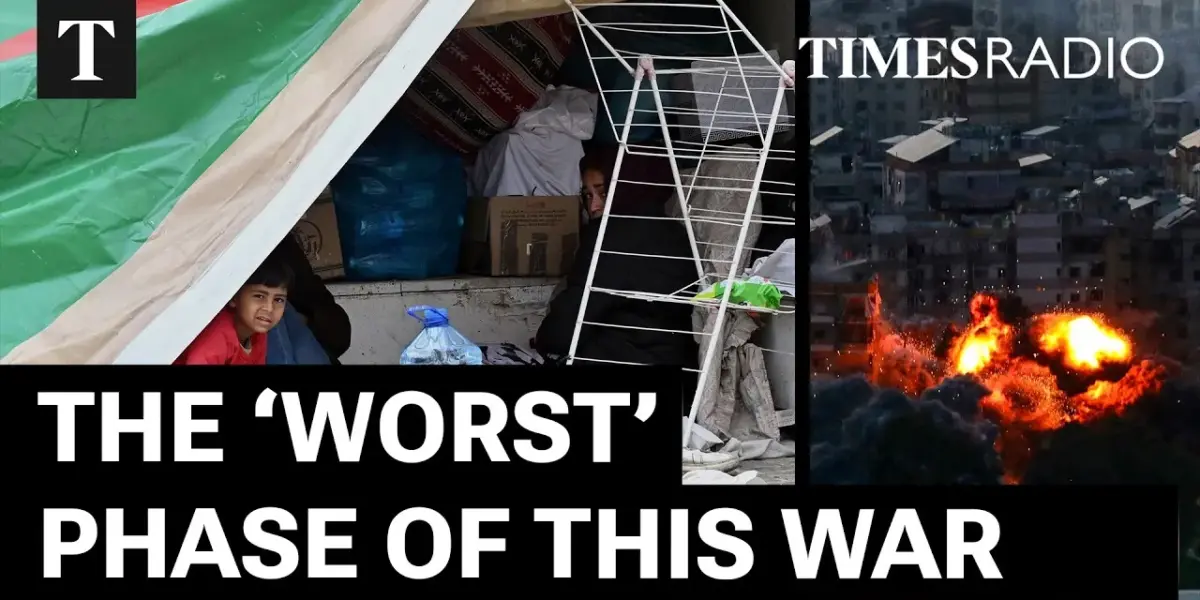
Lebanon Braces for Intensified Conflict as Israel Strikes Hezbollah
BEIRUT – Lebanon is facing a significantly more devastating phase of conflict, with fears mounting that the current escalation with Hezbollah could be “much worse” than the previous war, which was already the most destructive the country had seen since its civil war. Over 300,000 Lebanese civilians have reportedly fled their homes following intensified Israeli attacks on Hezbollah positions in southern Lebanon. These actions come in response to rocket launches by the militant group into Israel, amidst the broader regional tensions fueled by the ongoing war involving the U.S. and its allies against Iran.
Mass Displacement and Humanitarian Crisis Grip Lebanon
The situation in Beirut and across Lebanon is marked by a deepening displacement crisis. While the government estimates over 100,000 people are in shelters, the actual number of displaced individuals is believed to be in the hundreds of thousands. Nada Homsi, correspondent at The National’s Beirut Bureau, described the scene: “The thing is in Beirut, the majority of the population is doing okay.
We’re just dealing a lot with the displacement crisis that was caused by the bombardment of Dah, which is the Beirut southern suburb and also South Lebanon and the Bea Valley as Israeli air strikes continue to pound across all parts of Lebanon.” She highlighted the government’s limited capacity to provide shelter, leading to many displaced individuals sleeping on the streets or wherever they can find refuge. The closure of daycare centers and schools has added to the strain, leaving parents struggling to manage their children amidst the ongoing hostilities.
“The thing is in Beirut, the majority of the population is doing okay. We’re just dealing a lot with the displacement crisis that was caused by the bombardment of Dah, which is the Beirut southern suburb and also South Lebanon and the Bea Valley as Israeli air strikes continue to pound across all parts of Lebanon.”
Hezbollah’s Role and Shifting Public Opinion
The role of Hezbollah, often described as a “state within a state” in Lebanon, remains a central point of discussion and concern. While the group commands significant support within its Shiite constituency and beyond, the decision to reignite the conflict with Israel, just 15 months after the previous war ended, has proven unpopular even among some of its supporters. Homsi explained the sentiment on the ground: “its most recent decision to launch rockets at Israel and reignite the war that had just ended 15 months ago I think proved to be a very unpopular one even among people within its own constituency, not because they’re ideologically opposed to it, but because they’re so exhausted from having been displaced.” Many Lebanese citizens are weary of the cycle of violence and destruction, especially as the country has struggled to rebuild in the south since the last conflict.
Israel’s Intentions and Hezbollah’s Resilience
There are growing fears that Israel intends to establish a buffer zone in southern Lebanon, a move that could potentially render the region uninhabitable. Hezbollah has characterized the current confrontation as an “existential fight” for the group, mirroring Israel’s perspective. Despite Israeli efforts over the past 15 months to degrade Hezbollah’s capabilities, including strikes aimed at preventing rearmament, the group appears to have maintained a significant military capacity.
Reports suggest Hezbollah still possesses a substantial arsenal and a large number of fighters. “It seems as though was quietly rearming,” Homsi noted. “Israel had through the last 15 months kept striking parts of South Lebanon and other parts of Lebanon because it was a very onesided ceasefire.
They didn’t withdrawal targets in an attempt to prevent them from rearming and further destroy their capabilities. But now we’re seeing that Hezbollah is still very capable of launching rockets as well as engaging with Israel on the ground as it tries to further invade into Lebanese territory.” Estimates suggest the group still has around 95,000 fighters, with 5,000 reportedly killed in the last war.
Lebanon’s Precarious Position
The Lebanese government finds itself in a precarious position, attempting to balance internal political pressures with the escalating external conflict. While Hezbollah operates as a powerful political party within Lebanon, participating in governance, it is designated as a terrorist organization by many Western countries.
The Lebanese government has made efforts to assert its authority, including a recent decision to outlaw the group’s military activities and an arrest campaign targeting individuals possessing unauthorized weapons. However, Homsi pointed out the limitations of these actions: “as much as Lebanon is trying to go after elements now and show that it is trying to outlaw the group’s military activities or disarm them at the same time it’s such a sensitive situation because represents so much of Lebanon’s constituency.” The deep political polarization within Lebanon, coupled with Hezbollah’s significant influence, complicates any decisive action against the group.
Looking Ahead
As the conflict intensifies, the international community watches with apprehension. The potential for a wider regional war remains a significant concern. The coming days and weeks will be critical in determining the trajectory of this escalation, the humanitarian impact on Lebanon, and the broader geopolitical ramifications for the Middle East.
Source: Israel-Lebanon: This Phase Of War Will ‘A Lot Worse’ | Nada Homsi (YouTube)

Related Articles

Summer Flights Face Risk as Jet Fuel Prices Soar
The aviation industry faces a growing jet fuel crisis, threatening summer travel plans. Rising prices and uncertain supply chains, fueled by Middle East tensions, could lead to significant flight cancellations. Airlines are taking measures like "tankering" and route adjustments, but travelers are advised to book flights early.


Trump’s Allies Face Scandals as World Leaders Rethink Ties
Allegations of foreign interference and scandals surrounding Donald Trump's allies, like Cash Patel, are raising serious questions. The article explores criticisms of U.S. foreign policy, particularly concerning Russia and Israel, and calls for greater accountability in leadership.

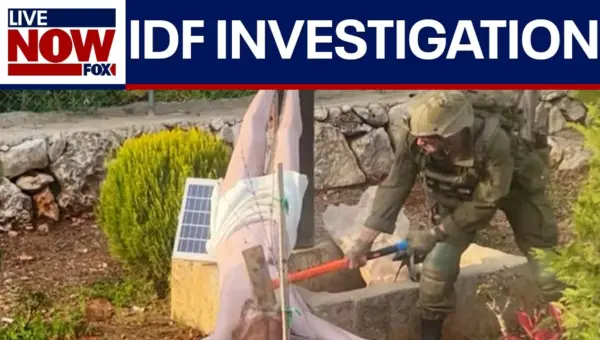
Israel Condemns Soldier’s Vandalism of Religious Icon
Israel is investigating a soldier seen appearing to smash a statue of Jesus Christ in southern Lebanon, condemning the act as contrary to military values. Meanwhile, US-Iran tensions have flared after the US seized an Iranian cargo ship, jeopardizing potential peace talks. A ceasefire between Israel and Hezbollah in southern Lebanon remains formally in effect despite sporadic clashes.