Model T Conquers Snow: A Century-Old Trick Still Works
A 100-year-old Ford Model T demonstrates remarkable snow-driving capabilities using a simple rope-wrapping technique. This low-tech solution provides surprising traction, proving the enduring ingenuity of early automotive solutions.

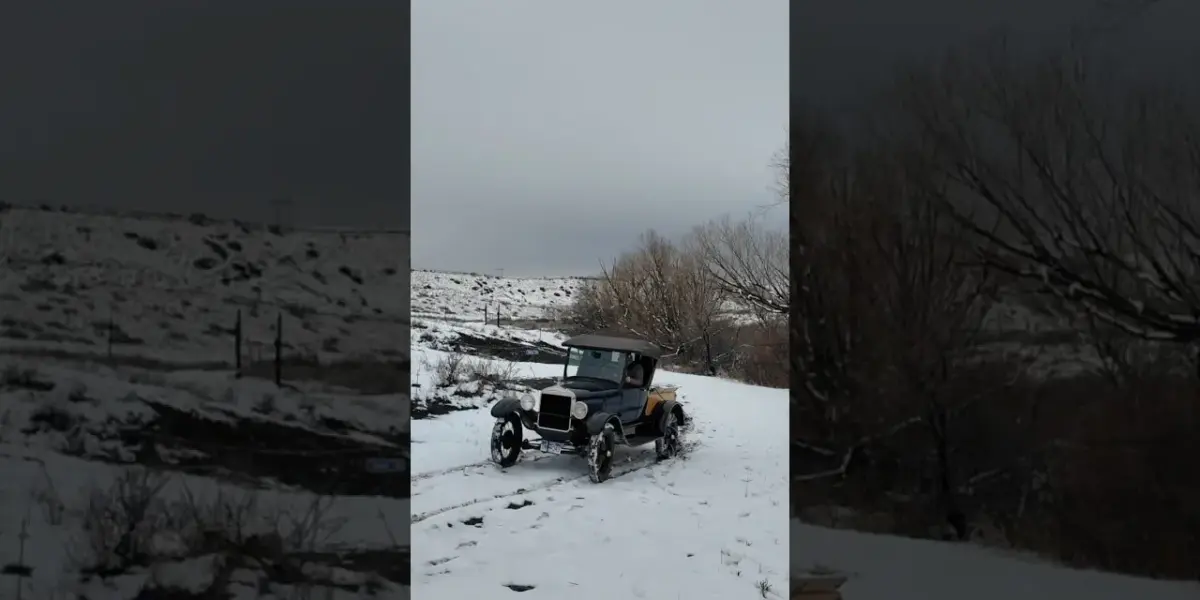
A Century-Old Legend Defies Winter’s Grip
In a remarkable display of automotive resilience and ingenuity, a 1920s Ford Model T has proven that even a century-old vehicle can tackle challenging winter conditions. Forget modern traction control and sophisticated all-wheel-drive systems; this icon of the early automotive era relies on a simple, yet incredibly effective, farmer’s trick to navigate snowy terrain: rope.
The Rope Revolution: Homemade Traction
The secret lies in a clever application of common rope. By wrapping it strategically through the spokes and around the wheels, a makeshift tire chain is created. This low-tech solution allows the rope to dig into the snow and mud as the wheels turn, providing the much-needed grip that the Model T’s original tires lacked.
Watching the car move, you can clearly see the rope biting into the surface, proof of its effectiveness. This method was not just a novelty; it was a crucial technique for early motorists needing to traverse unpaved roads and overcome adverse conditions, demonstrating the practical problem-solving skills of the era.
Performance on Snow: Surprising Capabilities
The video showcases the Model T’s surprising ability to slide and maneuver through the snow, with the driver employing counter-steering techniques to maintain control. While it might not be setting any speed records, the fact that it can move at all, let alone be steered with some degree of confidence, is astonishing given its age and simple design. The rope-wrapped wheels provide a tangible increase in traction, allowing the Model T to overcome inclines and maintain forward momentum where a bare tire would likely spin uselessly.
Pushing the Limits: Where Even Ingenuity Falters
However, there are, of course, limits to even this ingenious solution. In particularly challenging conditions, such as deep, goopy clay, the Model T does eventually succumb to the elements and gets stuck.
Interestingly, this is a fate shared even by modern machinery; the video notes that a contemporary Kawasaki side-by-side in two-wheel-drive mode also struggled and became immobilized in the same sticky mud. This comparison highlights that while the Model T’s rope trick is remarkably effective for its time and context, extreme conditions can challenge any vehicle, regardless of its age or technological sophistication.
The Model T: A Legacy of Innovation
The Ford Model T, produced from 1908 to 1927, revolutionized personal transportation. It was the first mass-produced automobile, making car ownership accessible to the average American. Its simple, robust design and ease of repair contributed to its widespread adoption.
The ability to adapt and overcome obstacles like snow with such basic materials further cements its legacy as a vehicle that was not only revolutionary in its production but also incredibly practical and adaptable in its use. It represents a time when drivers had to be intimately connected with their vehicles, understanding their mechanics and employing creative solutions to keep moving.
Who is the Model T For Today?
While the Model T is no longer a practical daily driver in the modern sense, its appeal today lies in its historical significance and the pure joy of experiencing early automotive history. It’s a vehicle for collectors, enthusiasts, and those who appreciate mechanical simplicity and the ingenuity of past generations.
Owning and operating a Model T is a commitment to a bygone era, a chance to connect with the roots of the automobile and the spirit of exploration that it fostered. The recent demonstration of its snow-conquering capabilities adds another layer to its legend, proving that its spirit of resilience is timeless.
Verdict: A Timeless Icon Endures
The Ford Model T, equipped with its simple rope traction system, proves that innovation and practicality can transcend time. It stands as proof of the enduring spirit of the automobile and the cleverness of its early drivers.
While it may not boast horsepower figures or electric range, its ability to navigate snow after 100 years, using a method born from necessity, earns it a special place in automotive history. It’s a rolling piece of history that continues to surprise and impress, reminding us that sometimes, the simplest solutions are the most effective.
Source: 100 Years Old Still Crushing The Snow! (YouTube)

Related Articles


2003 Aston Martin Vanquish: Bond’s Beautiful, Underrated V12
The 2003 Aston Martin Vanquish is a stunningly beautiful and powerful V12 supercar that offers exceptional value today. It stands out with its muscular design and James Bond heritage, making it a compelling choice for enthusiasts.

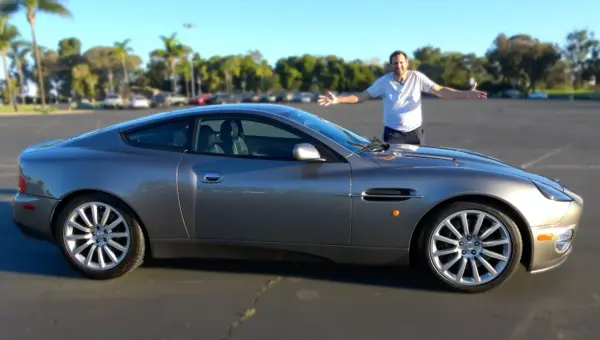
2003 Aston Martin Vanquish: Underrated Beauty Meets V12 Power
The 2003 Aston Martin Vanquish offers timeless V12 beauty and surprisingly accessible pricing, making it an underrated modern classic. Its stunning design, powerful engine, and unique quirks provide an engaging driving experience that rivals its contemporary exotics.

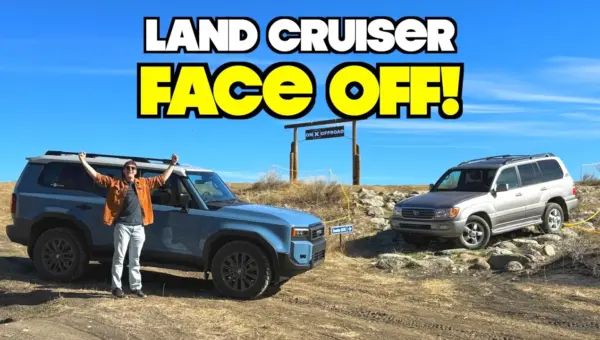
2024 Land Cruiser Outshines 20-Year-Old Model Off-Road
A 2024 Toyota Land Cruiser easily outperforms a 20-year-old model in rigorous off-road tests, showcasing significant advancements in four-wheel-drive technology. The new model's electronic aids and refined systems offer superior control and capability.