US on Brink? Iran Conflict Echoes Iraq 2003 Mistakes
DW News draws parallels between current US-Iran tensions and the lead-up to the 2003 Iraq War, questioning whether past strategic mistakes are being repeated. The analysis highlights intelligence concerns and the risk of regional destabilization.


Iran Tensions: Echoes of Iraq 2003?
As the United States faces escalating tensions with Iran, a critical question looms: Are we witnessing a repeat of the strategic missteps that defined the 2003 invasion of Iraq? DW News examines the parallels and divergences between these two key moments in Middle Eastern geopolitics, highlighting the profound implications for regional stability and international relations.
A Familiar Landscape of Uncertainty
The current standoff with Iran, characterized by heightened rhetoric, military posturing, and the threat of broader conflict, bears an unsettling resemblance to the prelude to the 2003 Iraq War. In both instances, a perceived existential threat, coupled with a complex web of regional rivalries and international diplomacy, has created a volatile environment. Analysts point to the similarities in how intelligence assessments are being presented, the potential for unintended escalation, and the profound uncertainty surrounding the potential consequences of military action.
Comparing the Pretexts and Motivations
While the historical contexts differ, the underlying justifications for potential military engagement share common threads. The 2003 invasion of Iraq was largely predicated on the assertion that Saddam Hussein possessed weapons of mass destruction and posed an imminent threat to global security. The intelligence, later found to be flawed, served as the primary casus belli.
In the case of Iran, the current U.S. Administration has cited Iran’s nuclear program, its regional destabilization activities, and specific provocations as reasons for its assertive stance. However, the nature of the threat and the evidence supporting it are subjects of intense international debate, mirroring the controversies surrounding the Iraq War’s intelligence.
The Shadow of Intelligence Failures
A key lesson from Iraq 2003 was the catastrophic failure of intelligence that underpinned the decision to invade. The absence of WMDs fundamentally undermined the war’s legitimacy and led to years of insurgency and instability. Today, concerns are being raised about the reliability of intelligence regarding Iran’s capabilities and intentions.
DW News emphasizes the importance of rigorous, unbiased intelligence analysis to avoid repeating past mistakes. The potential for confirmation bias, where intelligence is interpreted to fit pre-existing policy objectives, remains a significant concern.
Regional Destabilization: A Recurring Nightmare
The invasion of Iraq unleashed a cascade of regional instability, fueling sectarian violence, empowering extremist groups, and fundamentally altering the balance of power in the Middle East. The long-term consequences, including the rise of ISIS, continue to plague the region.
Critics argue that a similar military confrontation with Iran could have equally devastating, if not more widespread, repercussions. Iran’s extensive network of proxies and its strategic position in the Persian Gulf mean that any conflict could quickly draw in multiple regional actors, potentially igniting a wider conflagration.
The Role of Diplomacy and International Consensus
The 2003 Iraq War was marked by a significant division within the international community, with key allies opposing the U.S.-led invasion. The lack of a broad international consensus weakened the post-invasion efforts and contributed to the challenges faced in stabilizing Iraq.
In the current situation with Iran, the international community appears more united in its desire to avoid military conflict, with many nations urging de-escalation and a return to diplomatic channels. However, the effectiveness of these diplomatic efforts in the face of hardline stances remains to be seen.
Lessons Learned, or Lessons Ignored?
The comparison between the current tensions with Iran and the lead-up to the Iraq War is a clear reminder of the immense human and geopolitical costs of ill-conceived military interventions. DW News underscores that the decision to engage in any form of military action carries profound and often unpredictable consequences. The experiences of Iraq in 2003 offer a cautionary tale about the dangers of rushing into conflict based on incomplete or flawed intelligence, and the potential for unintended outcomes to far outweigh initial objectives.
What Lies Ahead?
As the situation continues to evolve, the focus remains on whether diplomatic avenues can prevail over military escalation. The coming weeks and months will be crucial in determining whether the lessons of Iraq 2003 have been heeded, or if history is indeed poised to repeat itself with potentially catastrophic consequences for the Middle East and beyond.
Source: Iran war: Iraq 2003 all over again? | DW News (YouTube)

Related Articles


US Troops Exit Syria Air Base: What Comes Next?
U.S. forces have completed their withdrawal from Qasrak Air Base in Syria's Hasakah province. This move raises questions about the ongoing fight against ISIS and the stability of the region. The SDF now faces increased responsibility for security.

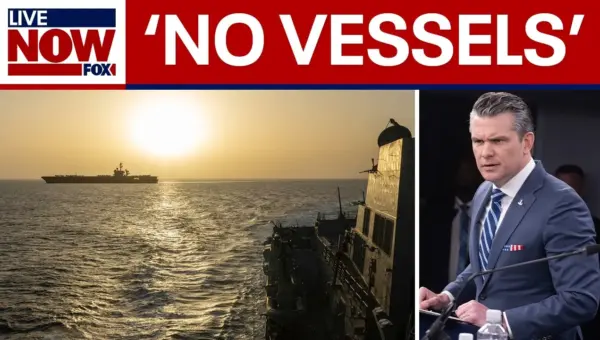
US Vows to Stop Any Ship Linked to Iran
The U.S. military is expanding its mission to intercept any ship linked to Iran, anywhere in the world. This move comes as a two-week ceasefire between the U.S. and Iran is past its halfway point. Tensions also remain high between Israel and Hezbollah in southern Lebanon.

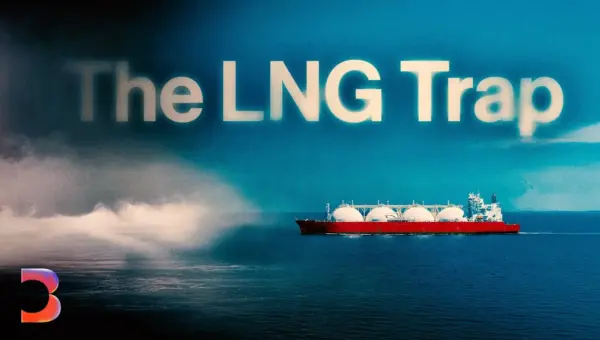
Iran Strike Cripples Qatar LNG, Spurring Global Energy Scramble
An Iranian strike on Qatar's vital LNG export facility has sent global energy markets into turmoil, highlighting the fragility of supply chains. The attack is expected to disrupt supplies for years, causing prices to double and forcing nations to scramble for alternatives, potentially accelerating the shift to renewables.