Trump’s War: A Nation’s Sacrifice, a President’s Indifference
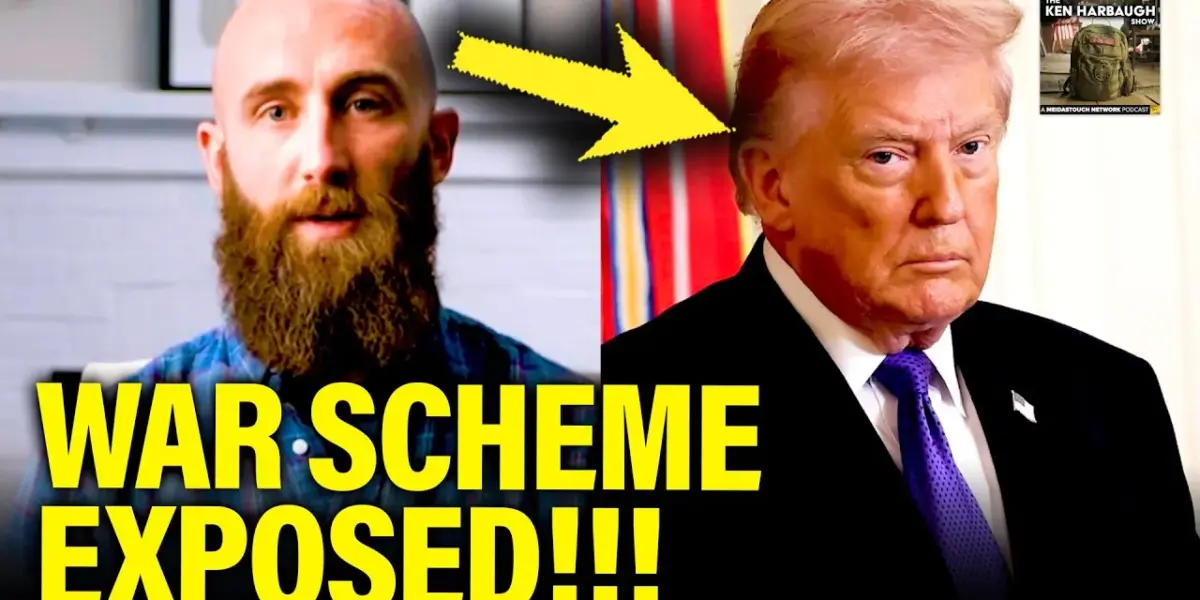
A combat veteran and analyst critique President Trump's focus on decor during wartime, highlighting a perceived callousness and detachment from the sacrifices of American service members. The piece examines the potential for war profiteering and the long-term, global consequences of military adventurism.

Trump’s War: A Nation’s Sacrifice, a President’s Indifference
In the midst of a burgeoning conflict with Iran, President Donald Trump’s focus, as described in a recent analysis, inexplicably shifted from the gravity of war to the aesthetics of the White House’s East Room. While American service members were being deployed and potentially facing the ultimate sacrifice, the President’s attention was reportedly fixed on the choice of drapes and the renovation of a ballroom. This stark contrast between the solemnity of war and the President’s preoccupation with decor has ignited a firestorm of criticism, with observers questioning the leadership’s priorities and the nation’s readiness for conflict.
A Callous Disregard for Sacrifice
The narrative emerging from the analysis paints a picture of an administration characterized by incompetence, corruption, and a profound lack of empathy. The speaker, Ken Harbaugh of the Midas Touch Network, highlights the irony of a Medal of Honor ceremony being overshadowed by discussions of interior design. This, he argues, is not merely a lapse in judgment but a symptom of a deeper malaise, where the human cost of war is seemingly overlooked by those in power.
A central theme is the perceived disconnect between President Trump and the military. Harbaugh notes that Trump has reportedly taken pride in his family’s lack of military service, suggesting a fundamental detachment from the sacrifices made by those in uniform.
This sentiment is echoed by Chris Goldsmith, an Army combat veteran and founder of Veterans Fighting Fascism and the Butler Institute. Goldsmith, who returned from a previous military engagement with severe PTSD, speaks with the authority of lived experience, emphasizing that war is a brutal reality, not an abstract concept.
“War is ugly. It smells bad.
And if anybody’s ever been there and and been able to smell the the the war that’s happened around you and taste it and feel it in your nostrils and hear it, it’s something that you’ll never forget. Uh and it’s ugly.”
The Racket of War and Exploitation at Home
Drawing on the wisdom of General Smedley Butler, the analysis posits that war is often a “racket,” an opportunity for personal gain and exploitation. Goldsmith contends that during times of conflict, fraudsters and charlatans inevitably emerge, seeking to capitalize on the national distraction. This exploitation, he suggests, can manifest in various forms, from election subversion to the dismantling of vital institutions like the Department of Veterans Affairs (VA).
The gutting of the VA while Americans are dying in conflict is presented as a particularly egregious irony. Goldsmith points to the Trump administration’s actions, including efforts to remove protections for disabled veterans and the firing of medical staff, as evidence of a system designed to fail those who have served. This, he argues, creates an intergenerational burden, as returning soldiers face a depleted system unable to provide adequate care, mirroring the struggles of previous generations.
Osama bin Laden’s Unintended Victory?
A provocative assertion made in the analysis is that Osama bin Laden may have, in a sense, won the global war on terror. The argument is that the post-9/11 response, characterized by foreign invasions and protracted conflicts, has fundamentally altered the fabric of American society. The speaker suggests that the nation has moved towards a model that resembles an autocracy, with the emergence of what he terms a “secret police force” capable of “kidnapping and disappearing and killing people.” While acknowledging America’s past historical transgressions, the analysis posits that the current era represents a new and disturbing chapter.
The Global Ripples of Conflict
The implications of this potential conflict extend far beyond American borders. The analysis notes that the call for American citizens to evacuate from 14 countries signals a rapidly escalating global situation. This echoes concerns raised by Goldsmith regarding the long-term consequences of American military adventurism, which he believes not only creates new terrorists and empowers despots but also has a detrimental impact on domestic society.
The human toll of war is a recurring theme. The analysis highlights the underreported injuries sustained by U.S. troops, citing the incident where over a hundred soldiers were injured following an Iranian bombing of an American base in Iraq. The dismissive response from President Trump, who reportedly downplayed these injuries as mere “headaches,” is decried as a callous disregard for the life-altering consequences of traumatic brain injuries.
A Party Corrupted by Personality
The analysis criticizes the Republican Party for seemingly adopting the President’s detached and dismissive attitude towards the human cost of war. It suggests that even members of Congress who have no direct experience of combat are echoing the sentiment that war is simply “tough,” demonstrating a disturbing “cult of personality” where loyalty to the leader trumps a clear-eyed understanding of conflict.
The speaker expresses dismay at seeing this “virus” affect the Republican Party, once associated with figures like Ronald Reagan. The betrayal of trust, they argue, is not only in the dismantling of the VA but also in the normalization of a leadership that seems detached from the realities of war and its impact on soldiers and their families.
The Burden Not Borne by the Elite
A particularly striking point is the observation that the Trump family, and indeed the families of his cabinet members, appear to be entirely insulated from the burdens of war. The analysis posits that the Trump family may be the first presidential family in American history with no direct familial ties to the military. This lack of “skin in the game” among the political elite is presented as a significant factor in their perceived detachment from the consequences of the conflicts they initiate.
The speaker draws a parallel to their own upbringing, where a generation separated from direct combat experience allowed for a degree of insulation from the profound impact of war on their father’s generation. This personal reflection highlights the idea that understanding the true cost of war often requires personal or familial proximity to its effects.
The Generational Scars of Conflict
The analysis revisits the Iraq War, acknowledging the initial naivete of many Americans who believed in a clear-cut distinction between good and evil. The devastating consequences of that war, including hundreds of thousands of civilian deaths and the destabilization of regions leading to mass migration and the rise of far-right movements in Europe, serve as a grim precedent. The piece concludes with a somber warning that the current war in Iran, initiated by Trump and Netanyahu, is poised to have similarly devastating and long-lasting global repercussions, shaping international politics for generations to come.
Looking Ahead: The Cost of War Profiteering
The analysis concludes by previewing a discussion on war profiteering, suggesting that the current conflict presents blatant opportunities for financial gain. This foreshadows a deeper dive into the economic dimensions of war, further reinforcing the notion that for some, conflict is not a matter of national security but a lucrative enterprise.
Source: Combat Veteran EXPOSES Trump WAR SCHEME (YouTube)

Related Articles

Trump Promotes ‘No Tax on Tips’ in Las Vegas Visit
Former President Donald Trump visited Las Vegas to promote his administration's tax policies, focusing on the elimination of federal tax on tips. He highlighted significant tax refunds for tipped workers and discussed broader tax cuts aimed at families and small businesses. Trump criticized current economic conditions under the Biden administration and urged support for Republican candidates in the upcoming elections.

Spy Law Debate: DNI Gabbard Clashed With Trump on Privacy
Director of National Intelligence Tulsi Gabbard reportedly voiced concerns to President Trump about reauthorizing Section 702 of FISA without privacy reforms. The program allows U.S. collection of foreign communications but can sweep up American data. This disagreement highlights ongoing tensions between national security needs and privacy rights as the law faces a critical deadline.

Trump Taps Dr. Erica Schwarz to Lead CDC Amid Midterm Push
President Donald Trump has nominated Dr. Erica Schwarz to lead the Centers for Disease Control and Prevention (CDC). The announcement, made on Truth Social, also included nominations for deputy directors and a senior counselor. This move aims to bring experienced leadership to the agency ahead of the midterm elections.