AG Bondi Subpoenaed: Epstein Cover-Up Grinds into Congressional Spotlight
Former Florida AG Pam Bondi is subpoenaed by Congress over the Justice Department's handling of Epstein records. This development, alongside Supreme Court rulings on tariffs and redistricting, highlights ongoing battles for transparency and accountability in American law and politics.

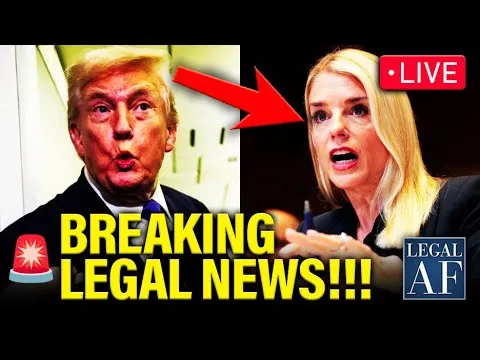
Bondi in the Hot Seat: Congress Demands Answers on Epstein Records
The long shadow of Jeffrey Epstein’s sex trafficking scandal continues to stretch, now reaching the halls of Congress. A significant development has emerged with the House Oversight Committee voting to subpoena former Florida Attorney General and then-acting Associate Attorney General Pam Bondi. The subpoena aims to compel Bondi to testify regarding the Justice Department’s handling of Epstein-related records, signaling a renewed congressional push to uncover potential cover-ups and clarify the government’s past actions concerning the notorious financier.
A Deepening Investigation into Epstein’s Network
The subpoena directed at Pam Bondi is not an isolated event but rather part of a broader, ongoing effort by lawmakers to scrutinize the Justice Department’s role in the Epstein saga. For years, questions have lingered about the leniency afforded to Epstein, particularly his sweetheart plea deal in 2008, and the subsequent handling of documents and investigations related to his alleged co-conspirators and victims.
Bondi, who held a prominent position within the Justice Department during a period relevant to these inquiries, is now being called upon to provide crucial testimony. Her involvement, or lack thereof, in decisions surrounding the management and potential suppression of Epstein-related information could be pivotal in understanding the full scope of the government’s engagement with the case.
Broader Legal and Political Fallout
Beyond the immediate focus on Bondi and the Epstein case, the Legal AF podcast, hosted by Karen Friedman Agnifilo and guest host Lisa Graves, also digs into other critical legal and political developments. One such development is the Supreme Court of the United States’ decision to strike down key Trump-era tariffs imposed under emergency powers. This ruling has significant implications for executive authority and the balance of power between the branches of government, particularly concerning the president’s ability to unilaterally enact trade policies.
The podcast examines the Supreme Court’s New York redistricting ruling, a decision with considerable weight as the midterm elections approach. Redistricting battles are often fiercely contested, and judicial pronouncements in this area can profoundly impact electoral outcomes and the representational fairness of government.
Texas Primaries and Trump’s Legal Battles
The analysis extends to the political landscape of Texas, with a breakdown of the latest primary election results. These results offer insights into the current political climate and the dynamics at play within one of the nation’s largest states.
Adding to the legal and political intrigue, the podcast also unpacks the ongoing legal challenges faced by former President Donald Trump, specifically concerning his involvement with law firms and the litigation surrounding them. This complex approach highlights the interconnectedness of legal proceedings, political maneuvering, and public accountability.
Why This Matters
The subpoena of Pam Bondi and the broader congressional inquiry into the Epstein case are of paramount importance for several reasons. Firstly, they represent a critical step towards achieving justice for Epstein’s victims, many of whom have felt unheard and unsupported by the legal system. By demanding testimony and records, Congress aims to expose any potential obstruction or malfeasance that may have allowed Epstein and his associates to evade full accountability.
Secondly, these actions highlight the principle of governmental transparency and accountability. When a government agency’s handling of a high-profile and sensitive case is called into question, public trust is eroded. Congressional oversight is a vital mechanism for restoring that trust and ensuring that public officials act with integrity.
The Supreme Court’s rulings on tariffs and redistricting, as discussed by Legal AF, highlight the ongoing tension between executive power and legislative/judicial checks and balances. The tariff decision, in particular, reinforces the idea that presidential emergency powers are not absolute and are subject to judicial review. The redistricting ruling speaks to the fundamental right to fair representation and the courts’ role in safeguarding democratic processes.
The examination of Texas primaries and Trump’s legal entanglements provides a snapshot of contemporary American politics, revealing shifts in voter sentiment and the enduring legal and political challenges associated with prominent figures. Together, these discussions offer a comprehensive look at the legal and democratic underpinnings of current events.
Implications, Trends, and Future Outlook
The subpoena of Pam Bondi could have far-reaching implications. If her testimony or the records produced reveal significant misconduct or a deliberate cover-up within the Justice Department, it could lead to further investigations, potential indictments, and a significant blow to the credibility of the department. It may also embolden victims and their advocates to pursue further legal action and demand greater transparency from government agencies involved in handling such sensitive cases.
The trend of increased congressional oversight, particularly concerning past administrations and controversial figures, is likely to continue. As more information comes to light about the Epstein network and the government’s response, there may be a push for legislative reforms aimed at preventing similar situations in the future. This could include strengthening whistleblower protections, enhancing oversight of plea deals, and ensuring greater accountability for officials who fail to act appropriately.
The Supreme Court’s decisions signal a continuing judicial trend of scrutinizing executive overreach and reinforcing the separation of powers. This could lead to a more cautious approach from future administrations when invoking emergency powers or making unilateral policy decisions. The redistricting ruling will likely encourage more litigation challenging gerrymandering, potentially leading to fairer electoral maps in the long run.
Looking ahead, the legal battles involving Donald Trump are set to remain a central focus of political and legal discourse. The outcomes of these cases will not only impact his political future but also set important precedents for campaign finance, executive privilege, and the legal responsibilities of public figures.
Historical Context
The Epstein scandal itself is a grim chapter in the history of celebrity, wealth, and alleged exploitation. His connections to powerful individuals across politics, business, and academia have always raised questions about the extent to which his crimes were enabled or ignored due to his influence.
The current congressional investigation into the Justice Department’s handling of records is not the first time that government agencies have faced scrutiny for their perceived failures in investigating or prosecuting powerful individuals. History is replete with examples of cases where wealth and influence appeared to shield individuals from full legal consequences, leading to public outcry and demands for reform.
The concept of executive emergency powers and their limitations has also been a recurring theme in American legal and political history. Debates surrounding the scope of presidential authority, particularly in areas like national security and trade, have led to landmark Supreme Court cases that have shaped the balance of power. Similarly, the issue of gerrymandering and fair representation has been a persistent challenge in American democracy, with numerous legal battles fought over the fairness of electoral maps.
The Legal AF podcast, in its comprehensive analysis, connects these disparate events, highlighting the enduring struggles for accountability, transparency, and justice within the American legal and political systems. The subpoena of Pam Bondi is a clear reminder that the pursuit of truth, especially in cases involving significant power and influence, is an ongoing and often arduous process.
Source: LIVE: AG Bondi SUBPOENAED by Congress to TESTIFY on EPSTEIN COVER-UP | Legal AF (YouTube)

Related Articles


Trump’s Lawsuit Backfires, Exposing Epstein Ties
Donald Trump's lawsuit against the Wall Street Journal over a letter to Jeffrey Epstein has been dismissed, but his decision to refile may backfire. The refiled case could force Trump into a deposition, exposing his controversial ties to Epstein.


Trump Undermines Melania on Epstein, Denies Gas Price Pain
Donald Trump's recent statements on the Epstein case appear to contradict his wife Melania's call for public hearings, as he cited victims' alleged refusal to go under oath. He also downplayed current high gas prices, a claim that clashes with everyday American experiences. These responses highlight recurring themes in his communication style and approach to sensitive issues.

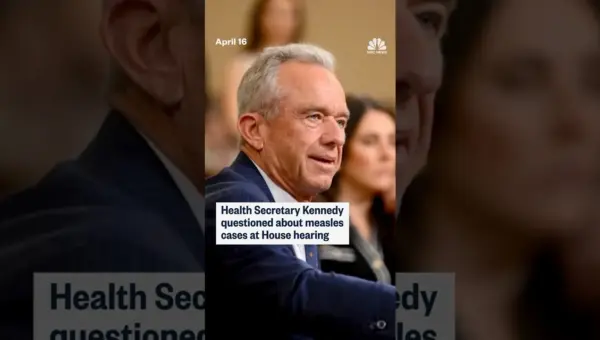
Health Secretary Faces Tough Questions on Measles Cases
Health Secretary Robert Kennedy faced tough questions in Congress this week over rising measles cases and declining vaccination rates. Experts are concerned that the US is close to losing its measles elimination status due to a record number of cases last year and insufficient pro-vaccine messaging. The discussion highlighted the critical importance of maintaining high vaccination coverage to protect public health.