US Escalates Iran War: Sub Sinks Ship, Fears Grow
The U.S. military has escalated its campaign against Iran, launching a historic torpedo strike from a submarine and sinking over 20 enemy vessels. As fears of a wider conflict grow, the Pentagon is accelerating operations, while Washington grapples with a Senate vote against further strikes and shifting public opinion.


US Escalates Iran War: Sub Sinks Ship, Fears Grow
In a significant escalation of the conflict with Iran, the U.S. military has launched torpedoes from a submarine against an Iranian warship for the first time in nearly eight decades. The Pentagon confirmed the historic strike, which occurred in the Indian Ocean, as concerns mount over the widening conflict beyond the Middle East. The U.S. military announced it had sunk more than 20 Iranian vessels in total.
Historic Submarine Strike and Expanding Campaign
The dramatic footage released by the Pentagon shows a U.S. Submarine firing a torpedo that strikes an Iranian warship, a tactic not seen since World War II. The Sri Lankan Navy reported rescuing 32 people from one of the vessels and recovering several bodies.
U.S. Defense officials indicated that the military is accelerating its campaign, with the Defense Secretary stating, “The ‘big wave’ hasn’t even happened yet. We are just getting started.” This expansion marks a new front in the ongoing war.
Concerns Over Wider Conflict and Iranian Capabilities
Despite the U.S. military’s aggressive actions, new concerns are emerging about the potential for the conflict to spread. Turkey’s Defense Ministry reported that an Iranian missile was shot down by NATO, highlighting the increasing regional tensions.
Meanwhile, the Red Crescent in Iran reported that over 900 people, including children, have died in an elementary school strike, though responsibility remains unclear. The U.S. military is also reportedly assessing its own munitions levels, with a White House official confirming the President will meet with defense contractor executives to discuss accelerating weapon production.
“We rebuilt our military during the first term, and we’re using it a little bit more than I thought we would have to.”
President, quoted in the transcript
Humanitarian Efforts and Evacuations
Amidst the escalating military operations, the U.S. State Department is working to help citizens evacuate the region. Thousands of Americans have already departed, with the State Department in contact with thousands more. Military planes, including C-17s, are reportedly offering available seats to assist with evacuations.
However, the process is described as challenging, with security being particularly tight. Personal stories, like that of a father trying to return home for his son’s birthday, highlight the human impact of the crisis.
Political Landscape: Senate Vote and Public Opinion
In Washington, a Senate vote to require the President to seek congressional approval before further strikes against Iran failed. Only one Democrat voted with Republicans against the resolution, and only one Republican voted with Democrats in favor. A House vote is expected soon, with Speaker Johnson expressing confidence in his members’ ability to defeat it.
Concurrently, new polling indicates that a majority of Americans, 54%, disapprove of the President’s handling of the situation, with 41% approving. Public opinion is largely divided along party lines, with independents expressing significant concerns about the conflict’s objectives and duration.
Internal Iranian Disarray and Future Outlook
Reports from Iran suggest a degree of disarray within its leadership following the death of Ayatollah Ali Khamenei. The military is reportedly operating with increased autonomy, and the funeral for the Supreme Leader has been postponed. While his son is rumored to be a possible successor, no new leader has been officially named.
The internal security forces, crucial for maintaining the government’s power, are also reportedly under attack. The U.S. military anticipates gaining full control of Iranian airspace within hours and suggests that the most significant actions in the conflict may still be ahead.
Looking Ahead
As the conflict enters its sixth day, the U.S. military’s expanded campaign, including the unprecedented submarine strike, signals a new phase of the war. The focus now shifts to monitoring Iran’s remaining capabilities, the strain on U.S. Munitions stockpiles, and the potential for further escalation.
Political developments in Washington, particularly regarding congressional oversight and public opinion, will also be crucial in shaping the response to this widening conflict. The coming days will reveal whether the “big wave” the Defense Secretary alluded to will materialize and what its implications will be for the region and beyond.
Source: LIVE: NBC News NOW – March 4 (YouTube)

Related Articles
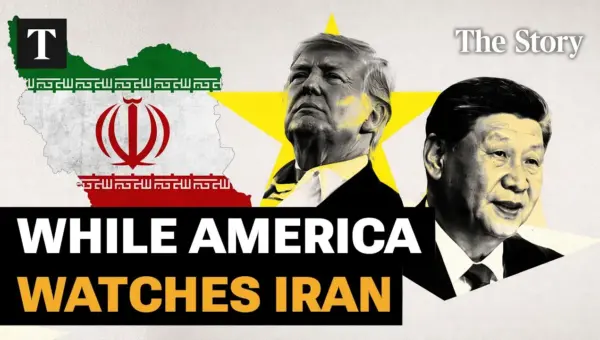
Iran War Strains US Power, Bolsters China’s Global Ambitions
The ongoing conflict with Iran has significantly weakened the United States' global standing and depleted its military resources. This has created an opening for China to expand its influence, potentially impacting the future of Taiwan. Analysts suggest the war may be a pivotal moment, marking a potential decline in American power.

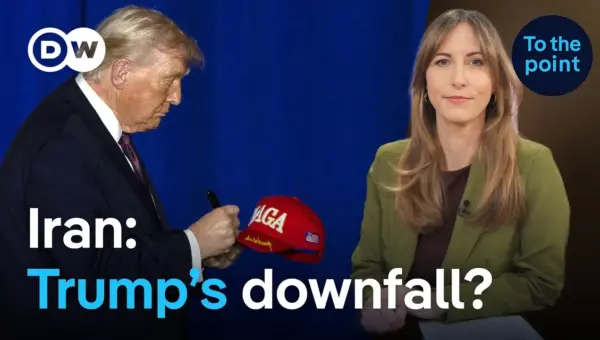
Trump Faces Backlash: Iran War, Pope Spat Risk Base Support
President Trump is facing growing challenges as the Iran conflict and controversial public statements strain his relationship with core supporters. His political future is being scrutinized amid parallels drawn to allies' recent electoral defeats and concerns over his foreign policy approach.
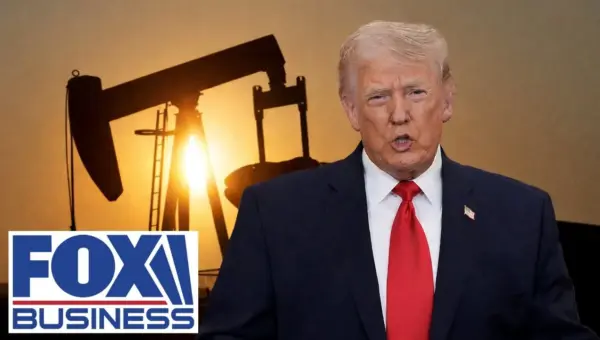
Trump Predicts Lower Oil Prices Despite Tensions
President Trump anticipates lower oil prices later this year, citing increased U.S. production and strategic actions like the Strait of Hormuz blockade. The administration also highlighted progress on domestic energy infrastructure, including a new natural gas pipeline for the Northeast, promising cost savings for millions of households.