LA 2028 Olympics on the Horizon: Precedent of Controversy Looms Large
As Los Angeles gears up to host the 2028 Summer Olympics, a history of controversies from past Games, including political tensions and athlete expression disputes, casts a shadow. The IOC faces the challenge of navigating neutrality amidst global conflicts and deep domestic divisions within the US.


LA 2028 Olympics on the Horizon: Precedent of Controversy Looms Large
As the world turns its attention to Los Angeles for the 2028 Summer Olympic Games, a shadow of potential controversy looms, cast by recent events and persistent global issues. The 2026 Winter Olympics, though yet to occur, serve as a stark reminder that the modern Olympic Games are rarely free from contentious moments, ranging from the absurd to the deeply political. The International Olympic Committee (IOC) faces a complex landscape, grappling with issues of neutrality, political interference, and the very definition of athlete expression, all of which could significantly impact the upcoming LA Games.
A Spectrum of Controversy: From Absurdity to Anger
The 2026 Winter Olympics, as envisioned by the preview, were marked by a peculiar mix of incidents. Some moments provided levity, even if unintentionally. The transcript humorously notes a “penis skate” in men’s ski jumping, quickly dismissed as baseless rumor. Yet, the Games were also marred by more serious disruptions. The typically serene sport of curling saw a dramatic descent into “foul-mouthed rage” following accusations of cheating against the Canadian team. These incidents, while varied in their impact, underscore a broader trend: the Olympics, as a global stage, are susceptible to a wide array of human foibles and competitive tensions.
Deeper Crises: Politics and Protest Intersect with the Games
Beyond the lighter or more localized disputes, the 2026 Winter Olympics were shadowed by more profound crises. The presence of ICE agents in Milan ignited significant anger and protests, highlighting the delicate balance between national security concerns and the welcoming spirit of the Olympics. This event served as a potent reminder that political issues do not simply vanish when the Olympic torch is lit. The transcript points to a heated exchange between US athletes and President Donald Trump as another example. When an athlete, identified as Hess, stated, “Just because I’m wearing the flag doesn’t mean I represent everything that’s going on in the US,” it was met with Trump’s dismissive labeling of the athlete as a “real loser.” This exchange underscored the persistent tension between national identity, individual expression, and political allegiance, a dynamic that could easily resurface in the politically charged atmosphere of the United States.
The IOC’s Tightrope Walk: Neutrality Under Fire
The IOC’s long-standing policy of neutrality is facing unprecedented challenges. The transcript highlights a critical incident involving Ukrainian athlete Vladislav Heriskovich. Heriskovich displayed images of Ukrainian athletes killed in the war, stating they were “about memory.” The IOC, however, deemed this a violation of their rules concerning the “field of play.” The IOC’s justification, “It’s not about the message, it’s about the place,” led to Heriskovich’s expulsion and reignited questions about the IOC’s stance on Russia. This incident raises fundamental questions about the boundaries of athlete expression and the IOC’s interpretation of its own regulations when faced with geopolitical realities.
The Russia-Ukraine Conundrum and Future Implications
The handling of the Russia-Ukraine issue has been a particularly thorny area for the IOC. The transcript notes that the Paralympics are allowing teams from Russia and Belarus to compete under their own flags in March. This decision raises a significant question: Will the IOC adopt a similar approach for the full Olympic Games in LA 2028? The exclusion of Russian and Belarusian athletes from many international sporting events following the invasion of Ukraine has been a complex and divisive issue. The IOC’s approach has been criticized by some as inconsistent, with accusations of discrimination in their interpretations of the rules. The precedent set by the Paralympics could heavily influence the decisions made for the LA Games, potentially leading to further controversy and debate.
Political Polarization in the USA: A Looming Challenge for LA 2028
The United States, as the host nation for the 2028 Olympics, is itself deeply mired in political polarization. The transcript explicitly states that “domestic divisions in the host nation could dominate the event.” The aforementioned exchange between an athlete and President Trump is a microcosm of the broader political climate. The Olympics, which strive for a unifying global message, risk becoming a battleground for internal US political discourse. Issues such as national pride, protest, and the role of athletes as political commentators are likely to be amplified on the world stage. The IOC’s ability to navigate these domestic divisions while upholding its principles of neutrality will be a crucial test.
Preparing for the Storm: Is the IOC Ready?
The cumulative effect of these potential controversies – from on-field disputes and athlete expression to the complex geopolitical landscape and deep-seated domestic political divisions – presents a formidable challenge for the IOC. The transcript poses the critical question: “Is the IOC prepared for another storm of controversy in 2028?” The organization’s past decisions, particularly regarding the Russia-Ukraine conflict and the boundaries of athlete speech, have drawn criticism and demonstrated the difficulty in maintaining a neutral stance in an increasingly politicized world. The LA 2028 Games will undoubtedly be scrutinized not only for athletic achievement but also for how the IOC manages these multifaceted controversies. The success of the Games may well depend on the IOC’s adaptability, its clarity in rule interpretation, and its ability to foster an environment where both athletic excellence and meaningful, yet appropriate, expression can coexist.
Looking Ahead: Lessons from the Past for LA 2028
The lessons from the 2026 Winter Olympics, even as a hypothetical precursor, are clear. The IOC must anticipate and prepare for a wide range of potential disruptions. This includes developing clearer guidelines for athlete expression that acknowledge the realities of global events without sacrificing the spirit of the Games. It also means being prepared to address political sensitivities within the host nation and on the international stage. The Olympic movement has always been intertwined with global politics, but the current era of heightened polarization and rapid information dissemination presents unique challenges. For LA 2028, the IOC’s preparedness will be tested, and its ability to navigate these complexities will shape the legacy of the Games.
Source: Controversies threaten to follow Olympics to LA 2028 | DW News (YouTube)

Related Articles

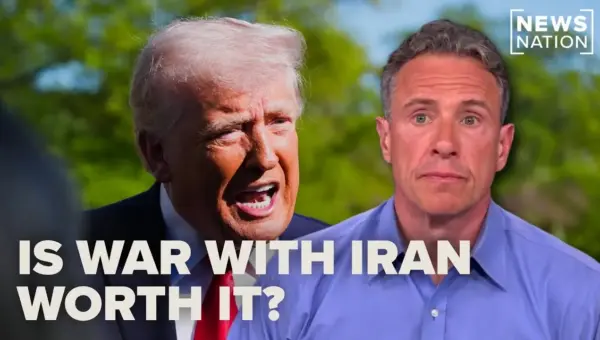
Iran War Costs Mount, Deal Prospects Dim
The war in Iran is costing the U.S. billions daily, impacting inflation and healthcare costs. While military gains are noted, concerns remain about Iran's nuclear ambitions and the lack of a clear diplomatic path. A "grand bargain" is sought, but the economic and human costs at home are rising.
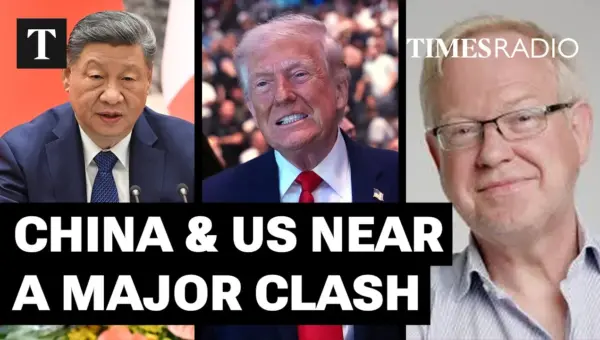
China-US Tensions Flare: Blockade Risk Sparks Superpower War Fears
The U.S. blockade in the Strait of Hormuz has intensified tensions with China, raising fears of a potential superpower conflict. Expert Roger Boyes highlights China's use of a "shadow fleet" and military support for Iran, while President Trump attempts a delicate diplomatic approach ahead of a key meeting with President Xi Jinping.
Trump Sees Iran Conflict Near End, Analysts Urge Caution
President Trump believes the conflict in Iran is "very close to over," but former advisor Keith Kellogg urges a cautious approach. The potential de-escalation could impact global markets, particularly oil prices. Investors should monitor the specifics of any resolution and its long-term implications for regional stability.