Iran Conflict Threatens 20% of Global Oil, China Faces Energy Squeeze
Escalating tensions around Iran and the Strait of Hormuz threaten 20% of global oil supply, with China facing a significant energy squeeze. Analysts warn of Brent crude exceeding $100 per barrel, impacting global economies and natural gas markets.

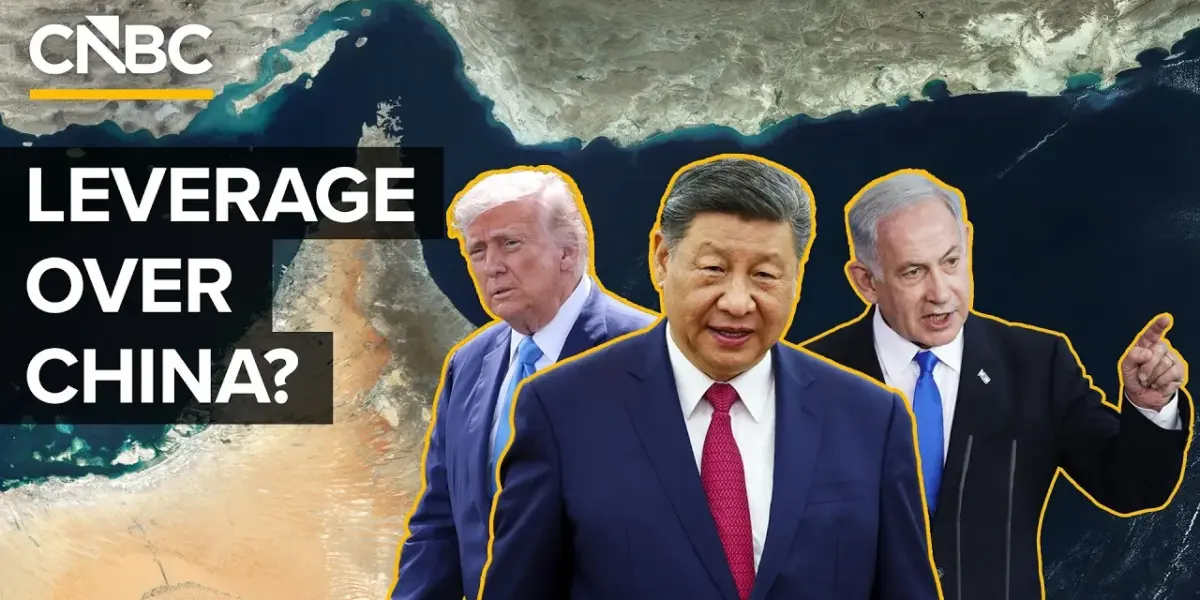
Iran Conflict Triggers Oil Surge, Threatens Global Energy Flow
Global energy markets are reeling as escalating tensions in the Middle East, particularly concerning Iran and the critical Strait of Hormuz, threaten significant supply disruptions. Following a major U.S.-Israeli airstrike on Iran over the weekend, Iranian officials have vowed to retaliate by attacking any vessel attempting to transit the vital waterway. This standoff has sent oil prices climbing and raised alarms about the potential for a prolonged closure of the Strait, a chokepoint responsible for approximately 20% of the world’s global oil consumption.
Strait of Hormuz: A Critical Energy Chokepoint
The Strait of Hormuz, a narrow waterway connecting the Persian Gulf to the open sea, is a paramount artery for global energy transportation. Approximately 20% of the world’s oil exports pass through this strategic chokepoint daily.
The current geopolitical climate has led to oil-laden tankers being stranded in the Persian Gulf, unable to proceed, exacerbating supply concerns. The longer these transit disruptions persist, the more profound their impact on oil prices is expected to be.
Wall Street Warns of $100+ Brent Oil
Major financial institutions are closely monitoring the situation. Investment banks such as JP Morgan, Bank of America, Barclays, and Deutsche Bank have issued stark warnings: a prolonged closure of the Strait of Hormuz could propel global benchmark Brent crude oil prices to exceed $100 per barrel. Such a price surge would carry significant implications for the global economy, potentially triggering inflationary pressures and dampening economic growth.
China’s Heavy Reliance on Middle East Oil
The implications are particularly acute for Asian economies, which are the primary destinations for oil transiting the Strait. In 2025, an estimated 14 million barrels of crude oil per day passed through the Strait, with three-quarters of these exports destined for China, India, Japan, and South Korea. China, in particular, exhibits a substantial dependence on Middle Eastern oil, with this region accounting for roughly half of its crude oil imports. 17% of China’s oil supply originates from Iran and Venezuela combined, highlighting its vulnerability to disruptions in these supply chains.
Geopolitical Strategy and Energy Security
Analysts suggest that the current strategy may involve targeting entities that support adversaries, rather than direct confrontation. By increasing the cost of global “adventurism” for certain nations and lowering costs for strategic maneuvering, the aim could be to influence geopolitical dynamics. This perspective underscores why China’s energy security, and its reliance on Middle Eastern oil, is central to the unfolding events.
China’s Strategic Commodity Reserves
China has been actively accumulating commodities for its strategic reserves, a move that could provide a buffer against short-term oil supply disruptions. The timing of this accumulation raises questions about whether Beijing anticipated potential supply outages stemming from Middle East conflicts. With high-level meetings between U.S. and Chinese leadership anticipated, energy security is likely to feature prominently in discussions.
Natural Gas Supply Also Affected
The conflict’s impact extends beyond crude oil, affecting global natural gas supplies as well. Qatar, the world’s second-largest exporter of Liquefied Natural Gas (LNG) after the United States, has reportedly halted production at its LNG facilities following an Iranian drone strike.
While the duration of this shutdown is uncertain, it is significant as Gulf states, primarily Qatar, account for approximately 20% of the world’s global LNG exports. This development suggests that oil may no longer be the primary leading indicator of risk in the energy system, but rather a lagging one.
Market Impact and Investor Considerations
In an extended conflict scenario, the potential for cascading supply outages out of the Middle East presents a clear pathway to substantially higher oil prices than currently observed.
The current situation highlights the interconnectedness of global energy markets and geopolitical stability. Investors should consider the following:
- Supply Disruption Risk: The Strait of Hormuz remains a critical vulnerability. Any prolonged closure or significant disruption will likely lead to sustained price increases for oil and potentially natural gas.
- Geopolitical Influence: The actions of major consumers like China, and their ability to navigate supply challenges, will be crucial in stabilizing or exacerbating market conditions.
- Strategic Reserves: China’s build-up of strategic reserves may offer a temporary cushion, but its effectiveness against prolonged or widespread disruptions remains to be seen.
- Natural Gas Vulnerability: The disruption to Qatar’s LNG production highlights the broader risks to energy supplies from the region, potentially impacting natural gas prices and availability globally.
- Economic Ramifications: A sustained surge in energy prices could fuel inflation, impact corporate earnings, and potentially slow global economic growth, affecting various asset classes.
While some analysts predict a swift return to lower prices once immediate tensions subside, the risk of cascading supply outages in an extended conflict scenario presents a clear pathway to significantly higher energy costs, fundamentally altering the economic outlook.
Source: What The Iran War Means For China’s Energy Supply (YouTube)

Related Articles
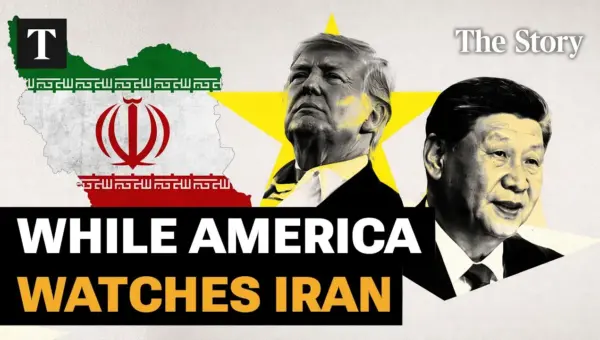
Iran War Strains US Power, Bolsters China’s Global Ambitions
The ongoing conflict with Iran has significantly weakened the United States' global standing and depleted its military resources. This has created an opening for China to expand its influence, potentially impacting the future of Taiwan. Analysts suggest the war may be a pivotal moment, marking a potential decline in American power.
Trump Predicts Lower Oil Prices Despite Tensions
President Trump anticipates lower oil prices later this year, citing increased U.S. production and strategic actions like the Strait of Hormuz blockade. The administration also highlighted progress on domestic energy infrastructure, including a new natural gas pipeline for the Northeast, promising cost savings for millions of households.


Trump Readies Cuba Invasion: Military Plans Revealed
A new report reveals the US military is secretly preparing invasion plans for Cuba under President Trump's directive. Despite Cuba's outdated defenses, its leader vows to fight, raising regional and global concerns.