US War in Iran Escalates Amidst Domestic Economic Woes
As the war in Iran intensifies, the Trump administration faces mounting domestic economic challenges, including job losses and depleted retirement savings. Officials downplay the conflict's severity while critics highlight the human and financial costs.

War in the Middle East and Domestic Turmoil Collide
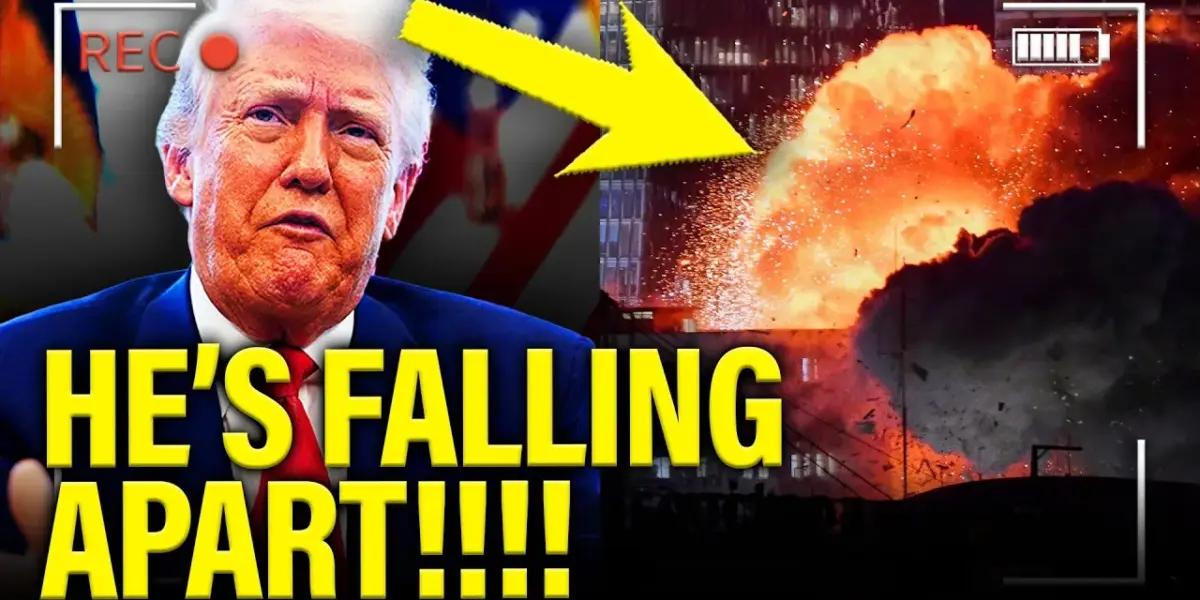
The current geopolitical landscape is marked by a significant escalation of the conflict in Iran, a situation that is increasingly being juxtaposed with mounting domestic economic challenges within the United States. Officials within the Trump administration have acknowledged the potential for the conflict to extend beyond eight weeks, a stark contrast to earlier pronouncements of swift resolution. This prolonged engagement comes at a time when the U.S. economy is showing signs of significant strain, including factory job losses and a concerning rise in Americans tapping into their 401(k)s for financial survival.
Administration Downplays Conflict, Emphasizes U.S. Strength
Despite the escalating war and its potential duration, Treasury Secretary Scott Bessant has publicly downplayed the severity of the situation in the Middle East, dismissing media reports of chaos as “fantastical.” He suggested that images of destruction are often isolated incidents captured by individuals, asserting that the region is “not on fire.” This narrative is echoed by Secretary of Defense Pete Hegseth, who has characterized concerns about American casualties and the conflict’s trajectory as “fake news.” Hegseth contends that the real story is one of American strength and control, claiming that the U.S. has effectively “taken control of Iran’s airspace and waterways without boots on the ground” and that “the terms of this war will be set by us at every step.” His rhetoric has been described as aggressive, with one commentator noting his pronouncements about “death and destruction from the sky all day long” and that “this was never meant to be a fair fight.”
Shifting Justifications and Biblical Undertones
The justifications for the ongoing military action appear to be evolving. Initially, the rationale presented by figures like Senator Marco Rubio and Speaker Mike Johnson suggested a preemptive strike was necessary due to an anticipated Iranian attack on Israel and subsequently the U.S. However, Johnson later stated that Iran had “declared war on us.” Speaker Johnson has also invoked biblical themes, framing the conflict as a struggle against a “bad religion” in Iran, drawing parallels to historical religious wars and suggesting that Iran’s leadership desires to “wipe Israel off the face of the earth.” This framing adds a complex layer to the military objectives, suggesting a broader ideological component to the conflict.
Economic Repercussions: Munitions, Jobs, and Retirement Savings
The financial implications of the war are becoming increasingly apparent. The Defense Department is reportedly seeking an emergency supplemental appropriation of $50 billion to fund additional munitions, contradicting earlier assurances from the Trump administration that the U.S. was not facing a shortage. This request comes amid warnings from some quarters that the U.S. could be running out of munitions, a concern that predates the current escalation.
The economic fallout is also being felt domestically. The Wall Street Journal has reported a record number of Americans are withdrawing funds from their 401(k)s due to financial emergencies, indicating widespread economic hardship. U.S. Manufacturing job losses have been “far worse than expected,” contributing to a sense of economic recession for many working-class Americans.
The Cost of Conflict: Rising Gas Prices and Economic Strain
Republican Senator Rick Scott acknowledged that oil prices are likely to rise due to the war, but framed it as a necessary cost for a “better and safer world.” However, critics argue that the focus should be on domestic needs like healthcare, jobs, and education. The economic strain is exacerbated by the war’s impact on energy markets, with projections of surging gas prices. This is compounded by a broader economic context where inflation is a concern and wages are seen as stagnant for many.
Political Landscape: Texas Primaries and Shifting Demographics
The political landscape also shows signs of shifting, with notable outcomes in the recent Texas primaries. Democratic turnout in these primaries reportedly exceeded Republican turnout, a rare occurrence. Democrats made significant gains, particularly among the Latino community, suggesting a potential realignment of voter allegiances.
This surge in Democratic participation, even surpassing presidential election numbers in some areas, indicates a heightened engagement that could have implications for future elections. The gerrymandering efforts by the GOP to secure seats were reportedly outmatched by Democratic voter turnout in key districts.
International Alliances and Economic Models
The Trump administration’s foreign policy extends to embracing certain international leaders and economic models. Argentina’s President Javier Milei, an ally of Trump, has implemented policies that have reportedly led to significant business closures and job losses, mirroring concerns about the broader “MAGA thinking” approach to economics. The administration’s engagement with leaders in countries like Ecuador and Venezuela, characterized as “authoritarian,” raises questions about the U.S. Commitment to democratic principles abroad, particularly when contrasted with the stated goal of fostering democracy in regions like Iran.
Tariffs and Trade Policy
The administration’s trade policies also remain a point of discussion, with plans to potentially raise global tariffs. This move, even in the face of potential Supreme Court rulings against such measures, underscores a commitment to a protectionist economic strategy. Secretary Bessant indicated that tariff rate changes could be implemented soon, suggesting a continued focus on using tariffs as an economic tool.
Naval Engagements and Escalating Tensions
Beyond aerial and missile strikes, the conflict has seen direct naval engagements. A U.S. Navy submarine reportedly sank an Iranian Navy frigate, the Iris Dena, off the coast of Sri Lanka. This marks the first time a U.S. Submarine has sunk an enemy warship with a torpedo since World War II, signifying a significant escalation in naval warfare and adding another layer of complexity to the unfolding crisis.
Why This Matters
The confluence of an escalating foreign war and severe domestic economic distress presents a critical juncture for the United States. The administration’s narrative of strength and control in the Middle East stands in stark contrast to the financial anxieties of American citizens struggling with job losses and depleted retirement savings. The shifting justifications for the war, coupled with its potential for prolonged engagement, raise fundamental questions about U.S. Foreign policy objectives, resource allocation, and the long-term consequences of military intervention.
Domestically, the economic strain suggests that the costs of global engagement are directly impacting the well-being of American families. The political shifts observed in the Texas primaries indicate a potential for voter reassessment, driven by economic concerns and a desire for different leadership. Understanding these interconnected issues is crucial for comprehending the current state of American affairs and anticipating future challenges.
Implications, Trends, and Future Outlook
The current situation points to several key trends. Firstly, the potential for a protracted conflict in Iran necessitates a re-evaluation of U.S. military strategy and resource management. The demand for emergency munitions funding suggests that preparedness levels may have been underestimated.
Secondly, the economic hardship experienced by a significant portion of the American population, particularly the reliance on retirement savings and factory job losses, highlights the fragility of the domestic economy. This could lead to increased public pressure for a shift in priorities away from foreign conflicts and towards economic relief. Thirdly, the observed shifts in voter demographics and turnout, especially among the Latino community in Texas, suggest that political alignments are evolving.
This could signal a growing dissatisfaction with current economic policies and foreign entanglements. The future outlook is uncertain, but it is clear that the administration faces the dual challenge of managing a complex international conflict while addressing mounting domestic economic and political pressures. The administration’s approach, characterized by strong rhetoric and a focus on military dominance, may face increasing scrutiny as the economic realities for many Americans continue to deteriorate.
Historical Context and Background
The current conflict in Iran does not exist in a vacuum. It is rooted in decades of complex geopolitical relationships, including historical tensions between the U.S. and Iran, regional power dynamics, and international oil market volatility. The U.S. has a long history of military engagement in the Middle East, often driven by strategic interests in energy resources and regional stability.
The rhetoric employed by administration officials, invoking themes of dominance and decisive action, echoes historical patterns of American foreign policy during periods of perceived threat. The economic challenges, such as job losses in manufacturing and reliance on retirement funds, are also part of a broader narrative of economic transformation and globalization that has impacted American workers for decades. Understanding these historical underpinnings is essential for contextualizing the current events and appreciating the long-term implications of the decisions being made today.
Source: Trump has CATASTROPHIC AM as WAR SPIRALS!! (YouTube)

Related Articles

US Oil Dominance Surges Amidst Global Tensions, Swalwell Resigns
The US is experiencing a surge in oil exports and implementing a blockade on Iranian ports, signaling a potential return to energy dominance. This comes as Congressman Eric Swalwell resigns amid serious misconduct allegations and faces criminal investigation. The dual developments highlight significant shifts in both global strategy and domestic politics.

US Tightens Grip: Iran Faces Blockade and Economic Fury
The U.S. has implemented a naval blockade against Iran, crippling its energy exports and intensifying economic pressure. Officials state Iran's military is depleted, while the U.S. is stronger with superior intelligence. The operation aims to force Iran to choose between a diplomatic resolution or severe consequences.

Trump Threatens UK Trade Deal, Fuels Defense Spending Debate
Former U.S. President Donald Trump has threatened to revise the trade deal with the UK, drawing criticism for his unpredictable approach. Meanwhile, UK Chancellor Rachel Reeves has labeled the Iran conflict a mistake, citing economic instability and a lack of clear objectives. The nation also faces an intensifying debate over defense spending amid rising global tensions and a need for a clear investment strategy.