Embrace Skepticism: A Powerful Tool for Navigating Misinformation
Dr. Steven Novella, a neurologist and skeptic, explains how developing a habit of questioning information and evaluating evidence is crucial for navigating today's complex world. Learn why intellectual humility is key to combating misinformation and making informed health decisions.

Embrace Skepticism: A Powerful Tool for Navigating Misinformation
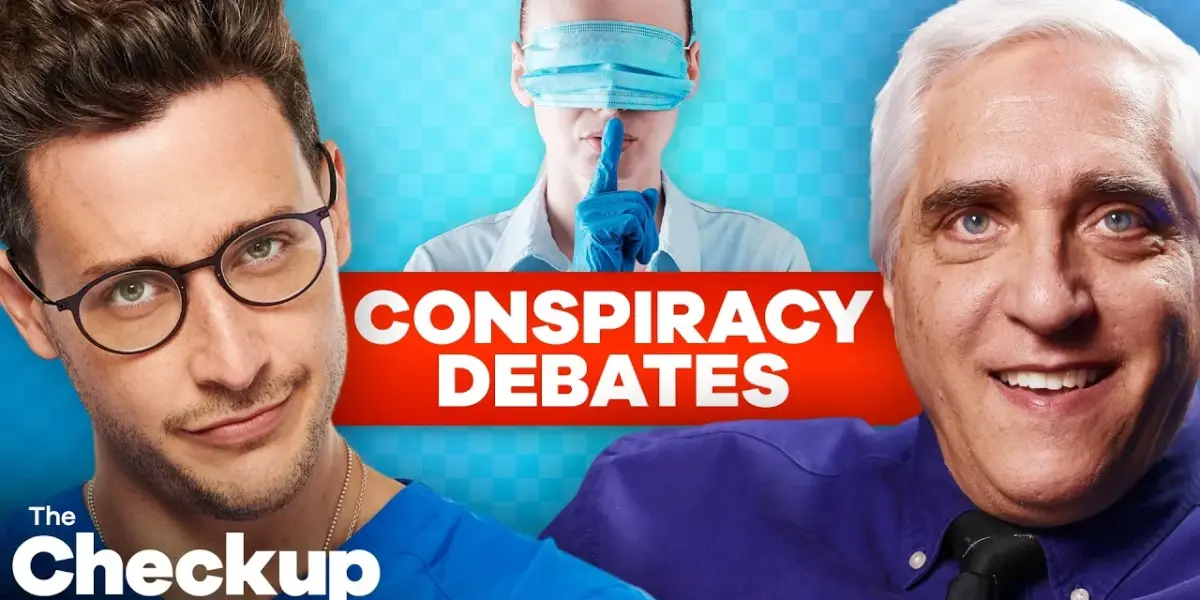
In an era saturated with information and a rising tide of misinformation, developing a skeptical mindset is not just beneficial, it’s essential for navigating the complexities of modern life. Dr. Steven Novella, a retired clinical neurologist and a leading voice in skepticism, emphasizes that skepticism is not about cynicism or denial, but rather a disciplined approach to evaluating evidence and forming beliefs. This approach, he argues, is a learned skill that can be cultivated throughout life, empowering individuals to think critically and resist the allure of unsubstantiated claims.
What is True Skepticism?
Dr. Novella, the force behind “The Skeptics’ Guide to the Universe,” defines skepticism as metacognition – thinking about your thinking process. It involves a conscious effort to evaluate how you arrive at conclusions, rather than passively accepting information.
“You don’t just believe things or go with the flow,” he explains. “You kick the tires, you look under the hood, you don’t come to a conclusion unless you think it’s justified by the evidence.” This means apportioning belief based on logic and evidence, a practice that directly counters gullibility.
Skepticism as an Empowering Skill
While the constant need to question and verify might seem exhausting, Dr. Novella highlights its profoundly empowering nature. “I don’t have to believe this thing anymore. I don’t have to carry water for my tribe, my identity,” he notes, describing the liberation felt by those who embrace skepticism.
It allows individuals to think independently, free from the pressure to conform to specific ideologies or groupthink. This freedom, he suggests, often outweighs the perceived effort involved.
Navigating the Information Overload: The Role of Trust and Specialization
In a world where it’s impossible to fact-check every piece of information, Dr. Novella advocates for a strategic approach. “You have to pick your battles,” he advises. This involves identifying reliable resources and experts who can do the “heavy lifting” of research and analysis.
By building trust in these sources, individuals can filter information more effectively without needing to personally verify every detail. This principle extends to the medical field, where doctors rely on professional organizations and peer-reviewed research to stay updated.
The Hierarchy of Medical Expertise
Dr. Novella uses a concrete example from family medicine to illustrate the importance of this hierarchical trust. A family physician, while needing broad competence, often relies on the deep expertise of specialists for specific conditions. For instance, a family doctor might refer a patient to a gastroenterologist for an endoscopy and H.
Pylori testing. The specialist, in turn, is expected to communicate their findings and rationale back to the referring physician. This system of specialized knowledge and communication is crucial for effective patient care.
Humility: The Cornerstone of Skepticism
At the heart of true skepticism lies intellectual humility. Dr. Novella states, “You can’t be a skeptic without being massively humble, intellectually.” This humility prompts the critical question: “How do I really know this?” It encourages individuals to examine whether their beliefs are driven by genuine evidence or by personal desires and biases.
Conversely, a lack of humility is a common trait among those who promote misinformation. “The one feature they all have in common, it’s an utter lack of humility,” he observes.
Combating the Seduction of Charisma and Certainty
The public is often drawn to charismatic figures who present information with unwavering certainty, even if that certainty is unfounded. Neuroscience suggests that humans are wired to surrender critical thinking to persuasive speakers within their own social groups.
Functional MRI studies show that the brain’s reality-testing centers are less active when listening to a charismatic speaker from within one’s belief system. This phenomenon can make even well-intentioned individuals susceptible to misinformation, especially when it aligns with their existing worldview.
Understanding the Anti-Vaccine Movement and RFK Jr.
Dr. Novella touches upon the complexities of the anti-vaccine movement, noting that it’s not a monolithic group but encompasses individuals with diverse motivations. He uses Robert F. Kennedy Jr. As an example of someone who, in his view, exhibits a profound lack of humility and a tendency towards conspiracy theories.
Kennedy’s evolution from an environmental advocate to a prominent anti-vaccine voice, Dr. Novella suggests, is rooted in a narrative that frames corporations and institutions as inherently harmful. This perspective often conflates hazard (the potential for harm) with risk (the actual probability of harm), leading to an exaggerated perception of danger.
The Thimerosal Debate: A Case Study in Misinformation
The discussion also revisits the controversy surrounding thimerosal, a mercury-containing preservative once used in some vaccines. Dr. Novella points out that the removal of thimerosal from routine vaccines in the early 2000s, intended to appease concerns, did not lead to the predicted decrease in autism rates.
This outcome, he argues, scientifically refutes the claim that thimerosal was a cause of autism. He also discusses the decision by regulatory agencies to remove thimerosal, characterizing it as an “abundance of caution” that, while perhaps well-intentioned, did not fully address the underlying misinformation.
Key Health Takeaways
- Develop a skeptical mindset: Actively question information, evaluate evidence, and base your beliefs on logic and data.
- Embrace intellectual humility: Recognize the limits of your own knowledge and be open to revising your beliefs when presented with new evidence.
- Identify and trust reliable sources: In areas outside your expertise, rely on credible experts and organizations for accurate information.
- Be wary of charismatic certainty: Recognize that confidence and charisma do not equate to accuracy; critically assess claims regardless of the speaker.
- Understand the difference between hazard and risk: Differentiate between the potential for harm and the actual probability of harm to make informed decisions.
This article is for informational purposes only and does not constitute medical advice. Always consult with a qualified healthcare provider for any health concerns or before making any decisions related to your health or treatment.
Source: Antivaxxers, Acupuncture, And Alternative Cancer Cures | Dr. Steven Novella (YouTube)

Related Articles

White House Briefs Amid Outcry Over Trump’s AI Jesus Image
The White House held a press briefing addressing public backlash over a controversial AI-generated image of Donald Trump as Jesus Christ. The incident highlights growing concerns about the use of artificial intelligence in political messaging and the spread of misinformation. Officials reiterated the administration's commitment to combating AI misuse and promoting transparency.


Obama Says Aliens “Real” But Denies Area 51 Cover-Up
Former President Barack Obama's comments about aliens being "real" have been clarified, with the former president explaining his remarks were based on the statistical probability of life in the vast universe, not confirmed contact or a cover-up. He emphasized that while he believes life likely exists elsewhere, there is no evidence of extraterrestrial visitation during his time in office.

MAGA Parents’ Beliefs Tested by Their Children
A YouTube series, 'The Necessary Conversation,' features children challenging their MAGA-supporting parents' views on current events. Clips show parents struggling to defend claims about Trump's statements on Iran, responsibility in tragic deaths, and presidential conduct, highlighting a generational clash over political beliefs.