Congressman Slams White House: No Case Made for Iran War
Congressman Raja Krishnamoorthi criticized the Trump administration's lack of a clear case for military action against Iran, citing "deeply unsatisfactory" briefings. He highlighted unanswered questions about objectives, duration, and endgame, expressing concern over entering another "endless war."

Congressman Slams White House: No Case Made for Iran War
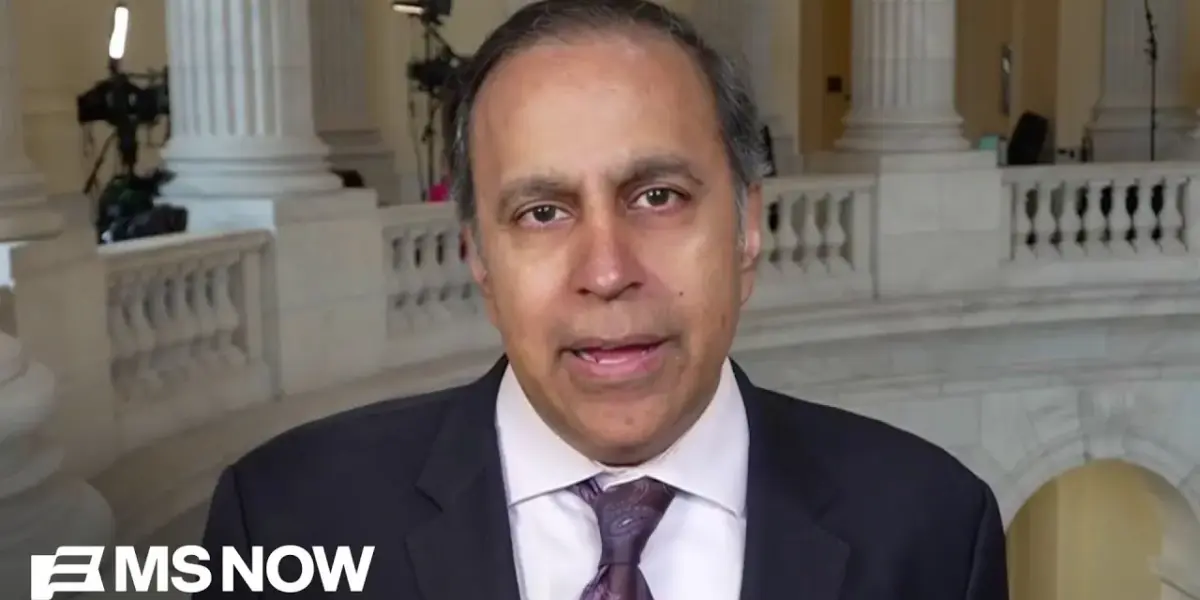
WASHINGTON D.C. – A leading member of the House Intelligence and Oversight Committees has strongly criticized the Trump administration’s handling of the escalating tensions with Iran, stating that no compelling case for military engagement was presented to Congress or the American people. In a recent interview, Congressman Raja Krishnamoorthi (D-IL) described the administration’s briefings as “deeply unsatisfactory,” highlighting a significant lack of clarity regarding the objectives, duration, and endgame of potential military operations.
Unanswered Questions Plague Iran Briefings
Congressman Krishnamoorthi, who serves on both key committees, expressed frustration over the administration’s failure to address fundamental questions posed by lawmakers. “They did not answer basic questions that I believe the American people and Congress has with regard to why we’re there, what’s the duration of these operations, what’s the endgame?” Krishnamoorthi stated.
This lack of transparency, he argued, leaves the nation “with the impression… That we’re entering yet another endless war, which my constituents and I believe the American people desperately want to avoid.”
Ambiguous Vision for Iran’s Future
The Illinois Democrat further elaborated on the administration’s unclear strategic vision. When asked if any vision for Iran’s post-conflict state was presented, Krishnamoorthi responded with a definitive “No, they did not.” He pointed to the administration’s stated goal of regime change, noting that current developments do not appear to be moving in that direction. Instead, he voiced concerns that the potential succession to Ayatollah Khamenei could result in a “worse leadership” taking control.
Nuclear Program Concerns Persist
Adding to the list of unanswered questions is the status of Iran’s nuclear program. Krishnamoorthi highlighted a troubling inconsistency, stating, “Even after they pronounced it dead last summer, after they claim that they obliterated it, now we know that it’s underway again.” The administration’s own suggestions that “bombing alone cannot get rid of it” further highlight the complexity and the lack of a clear path forward, according to the Congressman.
“We’re left with the impression… That we’re entering yet another endless war, which my constituents and I believe the American people desperately want to avoid.”
– Congressman Raja Krishnamoorthi
Assassination Attempts and Escalating Costs
The discussion also touched upon the mention of past assassination attempts against former President Donald Trump by Iranian-backed actors. While this has been raised by the administration, Krishnamoorthi indicated that it was not a significant point of discussion during the recent briefings.
He emphasized that current U.S. Motivations should be centered on clearer objectives beyond such incidents. The Congressman also drew attention to the tangible costs of the current situation, noting the loss of “six servicemen and women” and the precarious position of “thousands of Americans stranded at airports throughout the Middle East who are also potentially targets themselves.” The economic impact was also cited as a significant concern.
Lack of Stabilization Strategy
A critical gap identified by Krishnamoorthi was the absence of any discussion regarding steps to stabilize Iran and prevent it from posing a future threat. He lamented the lack of planning for mitigating Iran’s ability to conduct “one-off strikes against Americans, no matter where they are on the globe” through sophisticated terrorist networks. The consistent answer to questions about such stabilization efforts was a stark “no, no and no.”
War Powers Act and Congressional Opposition
Krishnamoorthi suggested that the administration’s reluctance to engage Congress more thoroughly, particularly under the War Powers Act, stems from their inability to provide satisfactory answers to these critical questions. He believes that the administration is aware of potential public opposition to their actions.
This perceived weakness in their case, Krishnamoorthi hopes, will lead to bipartisan support for an upcoming War Powers Resolution. He expressed optimism that the resolution might succeed in drawing Republican support alongside the expected Democratic backing, thereby challenging the ongoing hostilities.
Looking Ahead
As Congress prepares to debate the War Powers Resolution concerning Iran, the administration faces continued scrutiny over its lack of clear objectives and a coherent strategy. The coming days will be crucial in determining whether lawmakers can compel greater transparency and accountability from the executive branch regarding its military actions and long-term vision for engagement with Iran. The outcome of these debates could set a significant precedent for future congressional oversight of military engagements.
Source: Trump WH did not make the case for war in Iran, says House Intel and Oversight member (YouTube)

Related Articles


US Navy Blockade Hits Iran’s Oil Exports
The U.S. Navy has initiated a naval blockade of Iranian ports, targeting maritime traffic to cut off oil export revenue. This action follows failed peace talks and aims to exert economic pressure on Iran. The blockade highlights the strategic importance of the Strait of Hormuz and Iran's reliance on oil sales.


US Navy Tightens Grip on Iran in Strait of Hormuz
The U.S. Navy has imposed a naval blockade on Iran, cutting off access to its ports in the Strait of Hormuz. This action follows the collapse of nuclear talks and signals a major escalation in U.S.-Iran tensions. Iran has threatened retaliation against regional partners, raising fears of a wider conflict.
Iran Calls Trump’s Bluff on Ceasefire
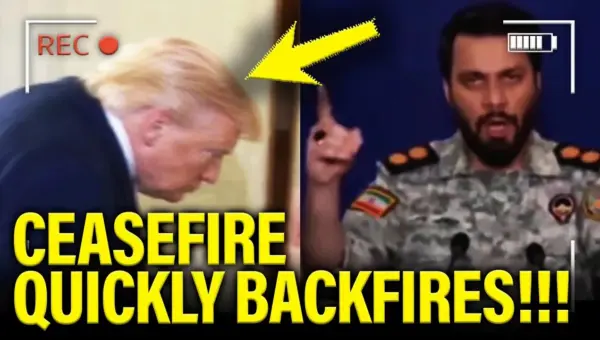
Iran is refusing to back down on a ceasefire deal, calling President Trump's bluff. They insist on their own 10-point framework and appear to be exploiting perceived weaknesses in Trump's domestic political standing. This standoff highlights complex international relations and potential shifts in global power dynamics.