NBA’s Wild Past: The 3-to-Make-2 Free Throw Era
Step back in time to the NBA's 'three to make two' free throw era! This unique rule, lasting until the 1981-82 season, required players to sink two out of three shots. Learn about this forgotten aspect of basketball history and how it contrasts with today's game.

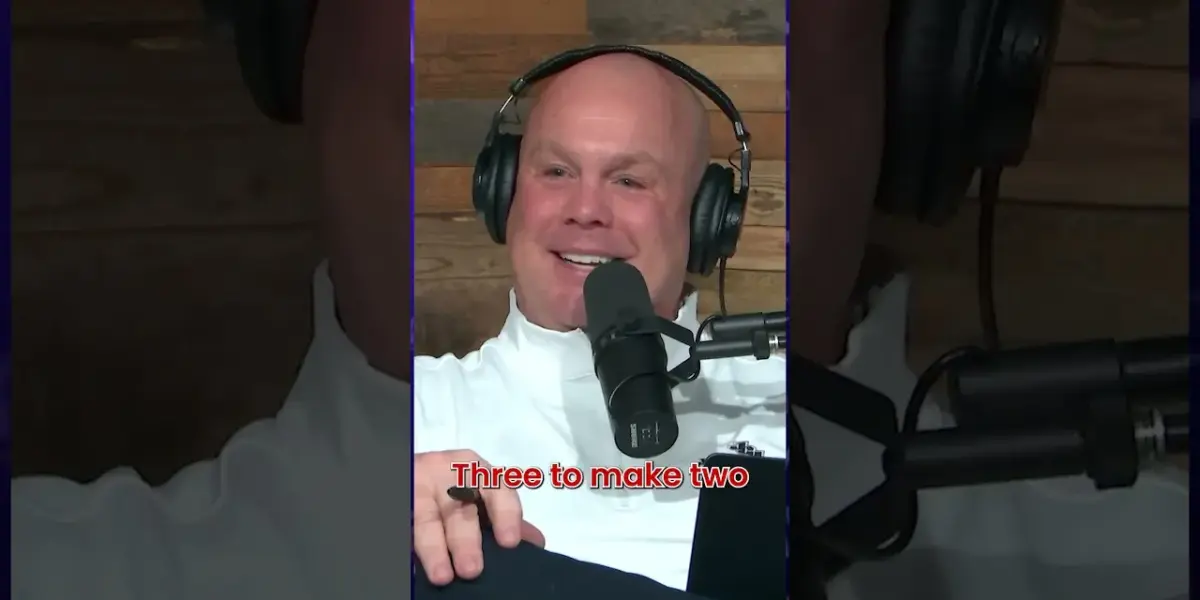
NBA’s Forgotten Free Throw Rule: The ‘3 to Make 2’ Era
Imagine stepping to the free-throw line with a unique challenge: make two out of three shots to earn your points. This wasn’t a fantasy or a drill for a specific scenario; it was a legitimate rule in the NBA. For a period, players faced the ‘three to make two’ rule, a concept that sounds almost unbelievable to modern basketball fans.
All a player had to do was convert 66.7%, or 67%, of their free throws to get the full benefit of their trip to the line. This fascinating piece of NBA history, a far cry from the high-stakes, single-shot pressure of today, existed for longer than many might realize.
From the 1980s to the Hardwood
Contrary to what some might assume, this rule wasn’t relegated to the distant past of the 1960s. The ‘three to make two’ rule persisted right up until the 1981-1982 NBA season.
This means that iconic players and legendary rivalries, including those involving the storied Lakers and Celtics, competed under this unusual free-throw system. The implications for the game’s strategy and the pressure on players at the charity stripe were significantly different.
“You used to get three to make two. You had three free throws to make two. All you had to do was go 66.7% from the line to get the full extent of your visit.”
A Different Era of Fan Engagement
The broadcast and consumption of NBA games during this era also paint a picture of a league still evolving its reach. The transcript highlights that even the NBA Finals were sometimes shown on tape delay on CBS.
This contrasts sharply with the instant, global, and multi-platform access fans have to games today. The level of immediate engagement and the way fans consumed the sport were vastly different, contributing to a less ubiquitous presence for the league compared to its current status.
“Like the NBA finals were on tape delay. Wasn’t the same level of consumption. Let’s just put that way.”
What This Means for the Game
The ‘three to make two’ rule, while seemingly minor in the grand scheme of basketball evolution, speaks volumes about the league’s historical development. It underscores how rules are constantly tweaked and refined to enhance the game’s flow, fairness, and excitement. The shift away from this rule likely reflects a move towards standardizing scoring and increasing the reward for reaching the free-throw line, a critical aspect of offensive strategy.
It also means that any discussions of historical player efficiency or clutch free-throw shooting need to account for the specific rules in place during their careers. Leaving out the context of this rule could inadvertently skew perceptions of past player performance.
The legacy of this era is a reminder of the NBA’s journey. From tape-delayed finals and unique free-throw rules to the global phenomenon it is today, the league has undergone a dramatic transformation. Understanding these historical nuances provides a richer appreciation for the game and the evolution of its stars and its strategies.
Source: Who remembers when it was 3 to make 2 in the NBA?!? 🤯 (YouTube)

Related Articles

Wilt’s 100-Point Game: The Hoops Conspiracy Lives On!
The mystery surrounding the lack of footage from Wilt Chamberlain's historic 100-point game continues to fuel debate among basketball fans. Despite the legendary box score, the absence of visual evidence keeps the "Will truther" movement alive.

Bam Adebayo’s 83-Point Masterpiece Joins Kobe & Wilt
Bam Adebayo has etched his name into NBA history with a breathtaking 83-point performance, joining the legendary ranks of Wilt Chamberlain and Kobe Bryant. This singular scoring feat places Adebayo in an exclusive club, silencing any potential critiques with the sheer weight of historical significance.
Shai’s FT Mastery Fuels Thunder Past Warriors
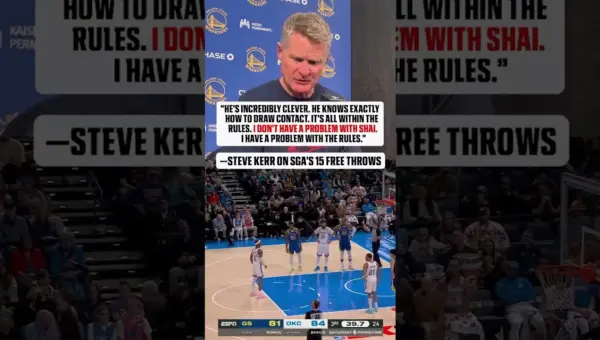
Shai Gilgeous-Alexander showcased his free-throw mastery, going 14-of-15 against the Warriors. His ability to draw fouls highlights a broader debate about current NBA defensive rules and the use of the off-arm.