Nepal Election: Caught Between India and China’s Influence
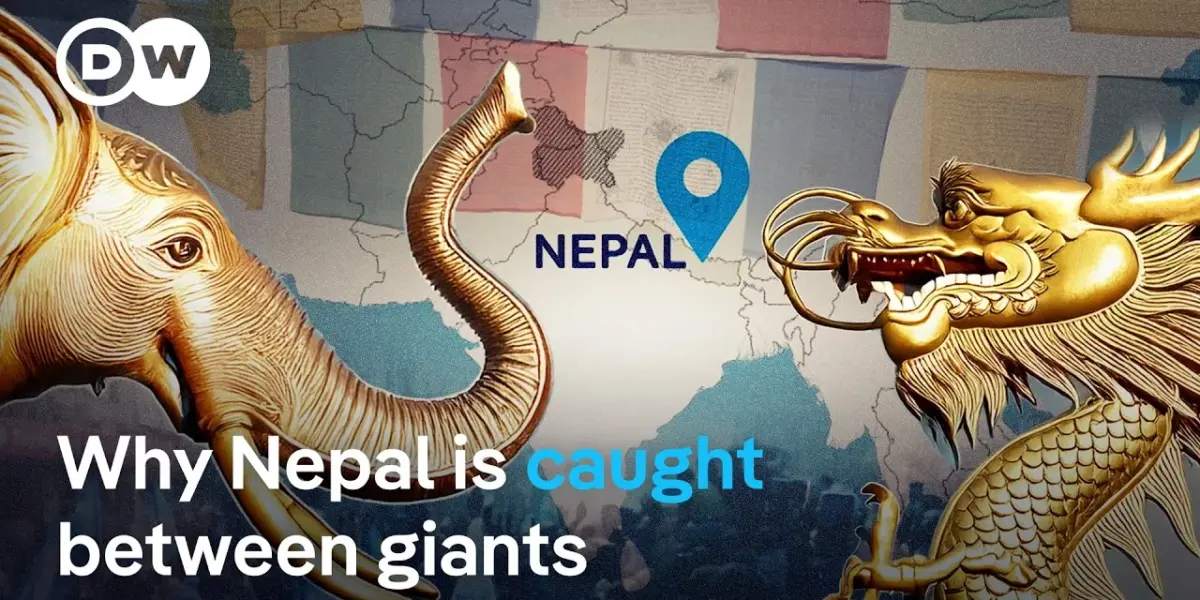
Nepal's upcoming election is a critical moment, with the nation caught between the geopolitical influences of its giant neighbors, India and China. The outcome will shape the country's foreign policy and economic development as it navigates its strategic position.

Nepal Votes Amidst Geopolitical Crossroads
Kathmandu, Nepal – As Nepal heads to the polls just six months after a youth-led protest movement toppled the previous government, the nation finds itself at a critical geopolitical juncture. While the election campaigns are primarily focused on domestic issues, the outcomes will be closely scrutinized by Nepal’s two colossal neighbors: India to the south and China to the north. The small Himalayan nation, sandwiched between these Asian giants, is a strategically vital buffer state, making its internal political dynamics of paramount importance to both New Delhi and Beijing.
India’s Historical Ties and Concerns
Nepal shares a long, open border with India, stretching over 500 kilometers, facilitating a free movement of people and goods. This deep historical and civilizational connection, marked by shared cultural, linguistic, and religious affinities, has traditionally positioned Nepal as a close partner of India.
India has historically viewed Nepal through the lens of an ‘elder brother’ relationship, aiming to provide support and maintain stability in its northern neighbor. As Nepal’s largest trade partner and a crucial source of essential goods for the landlocked country, India’s economic influence is substantial.
However, this relationship has not been without its tensions. The perception of Indian overreach has often fueled anti-India sentiment within Nepal. A significant rupture occurred in 2015 when India imposed an unofficial trade blockade following Nepal’s constitutional reforms.
This move, which severely impacted Nepal’s supply of essential goods like fuel, occurred shortly after a devastating earthquake and was widely seen as a punitive measure. The blockade pushed Nepal to seek alternative partnerships, notably with China.
China’s Growing Influence and Strategic Interests
China’s interest in Nepal is driven by its extensive border with Tibet and its strategic imperative to prevent any Tibetan nationalist activism on Nepali soil. In recent years, China has significantly ramped up its economic and political engagement with Nepal.
This includes substantial investments in infrastructure projects, such as the controversial $200 million China-funded Pokhara Airport, which has been marred by corruption allegations involving both Nepali and Chinese officials. This has led to growing suspicion among the Nepali youth regarding Chinese investments and their potential to foster corruption.
Analysts suggest that China has also played a role in brokering political alliances, particularly among Nepal’s communist parties, facilitating the formation of governments. A key development was Nepal’s agreement to join China’s Belt and Road Initiative (BRI) in 2017, an agreement that former Prime Minister K.P.
Oli, a prominent figure in the current election, made official. While proponents argue that engaging with China’s economic rise is essential for Nepal’s development, New Delhi views such moves as a strategic tilt towards Beijing, limiting Nepal’s agency in pursuing its own national interests.
The Election Landscape: Old Guard vs. Youth Revolution
The current election presents a stark choice between the established political figures and a new generation of leaders. K.P.
Oli, who is running again, has campaigned on promises of development, including a proposed industrial park funded by China, situated strategically close to the Indian border. His pro-China stance has historically concerned New Delhi, which welcomed the protests that led to his previous government’s downfall.
Challenging the old guard is 35-year-old rapper-turned-politician Balendra Shah, a prominent face of the youth movement. Shah’s party, a relatively new political entity, has notably distanced itself from the proposed Chinese-funded industrial park, reflecting a potential shift in youth sentiment wary of corruption linked to foreign investments. However, some observers criticize this move as a reluctance to engage with geopolitical realities, potentially hindering the party’s ability to act decisively.
Navigating Neutrality in a Bipolar World
Nepal has long espoused a policy of strategic neutrality and non-alignment, striving not to pick sides between its powerful neighbors. However, the political landscape has seen accusations of bias from both sides.
The ousting of K.P. Oli’s government was seen as a setback for China’s deepening influence, while India’s prompt engagement with the interim government signaled its strategic interests.
Despite the external pressures, the new government is unlikely to formally choose between India and China. Nepal’s economic realities and its landlocked geography make it imperative to maintain functional relationships with both.
However, both India and China are expected to continue exerting influence, seeking favorable policies and partnerships. The increasing migration of Nepali youth to countries beyond India also presents a new dynamic, with China potentially leveraging its economic power to offer job opportunities and exert influence over a new generation of leaders.
What Lies Ahead
Following a period of political instability marked by numerous government changes, Nepal seeks stability. The upcoming government will face the delicate task of balancing its relationships with India and China, navigating complex geopolitical currents while prioritizing the needs of its people. The extent to which the new leadership can assert its autonomy and foster sustainable development amidst the competing interests of its giant neighbors will be a key focus in the coming years.
Source: Why Nepal's elections matter to India and China | DW News (YouTube)

Related Articles


US Navy Blockades Strait of Hormuz Amid Talks Collapse
The U.S. Navy has imposed a blockade on the Strait of Hormuz following the collapse of U.S.-Iran ceasefire talks. The action aims to counter Iran's mining of the strait and its attempts to charge tolls on global shipping. This move significantly escalates regional tensions and targets Iran's primary revenue source.

US Navy Tightens Grip on Iran in Strait of Hormuz
The U.S. Navy has imposed a naval blockade on Iran, cutting off access to its ports in the Strait of Hormuz. This action follows the collapse of nuclear talks and signals a major escalation in U.S.-Iran tensions. Iran has threatened retaliation against regional partners, raising fears of a wider conflict.


Hungary’s Orban Faces Ukraine War Questions
Hungarian Prime Minister Viktor Orban voted in a tense election, facing questions about his pro-Russia stance amid the Ukraine war. Polls show his party trailing a new challenger, Peter Magyar, as concerns about election interference linger.