Russia’s Iran Deal: A Partnership’s Limits Revealed
The strategic partnership between Russia and Iran is being re-evaluated as questions arise about its mutuality and Russia's capacity to fulfill its commitments. Journalist Joe Luke Barnes discusses the shifting dynamics, Russia's limited global reach, and the enduring legacies of the Soviet Union.

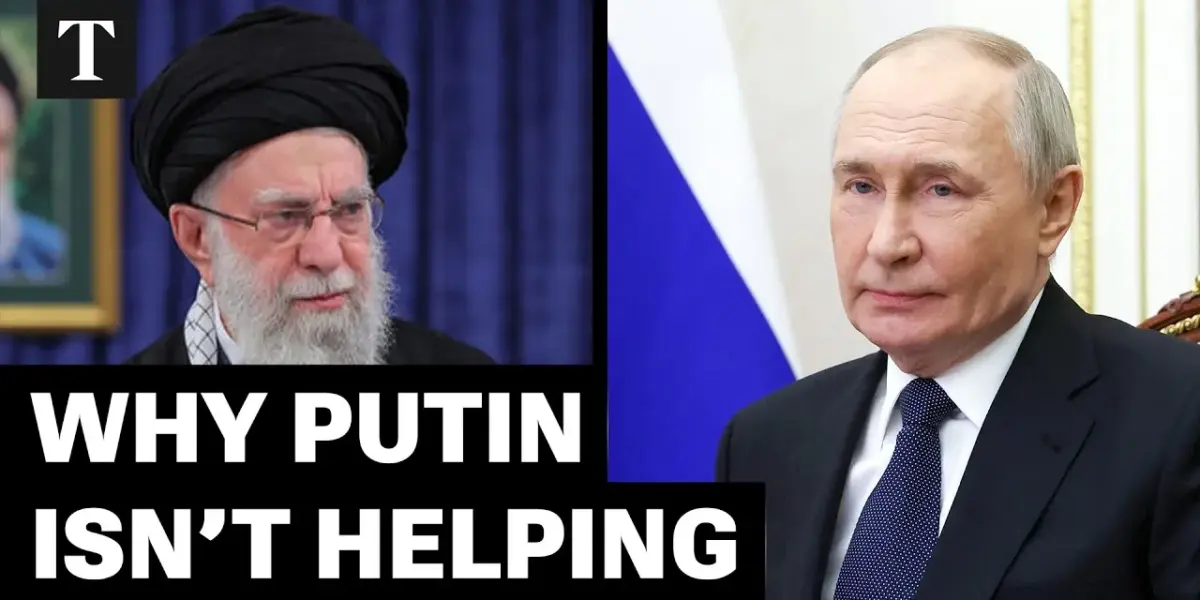
Russia-Iran Partnership Under Scrutiny Amid Geopolitical Shifts
In the complex web of international relations, the strategic partnership between Russia and Iran, initially forged as a 20-year pact, is facing increasing scrutiny. While Iran has supplied Russia with thousands of drones and other weaponry to strengthen its war efforts in Ukraine, questions are emerging about the mutuality of this alliance.
Moscow, in return, was expected to provide political cover and military defenses against Western pressure and potential U.S. Strikes. However, recent events, particularly the U.S. Strikes against Iran, have led some within Iran to question whether Vladimir Putin has truly upheld his end of the bargain, potentially betraying the Iranian regime.
Geopolitical Fallout: Russia’s Limited Global Reach
Joe Luke Barnes, a journalist and author of “Farewell to Russia: A Journey Through the Former USSR,” suggests that the current geopolitical climate highlights the limitations of Russia’s global power. “I think this is probably a good demonstration of the the limits of the idea of Russia as a world power,” Barnes stated. “It’s definitely a potentially a world a spoiler in the world, but as a it’s definitely a regional power with with quite a lot on its plate at the moment.” He pointed to the fact that the strategic partnership signed last year did not result in any military aid to Iran during the Israeli-American bombings, indicating a constrained capacity for Russian intervention.
“I’d say there’s a limited amount that that Russia would do.”
– Joe Luke Barnes
Shifting Dynamics: From Drone Supplier to Sanctions Evasion
While Iran initially supplied Russia with crucial drones like the Shahed, Russia has since developed its own production capabilities, significantly reducing its reliance on Iranian military aid. A large facility in Tartastan is reportedly producing these drones, diminishing Iran’s leverage in this area.
Barnes explains, “Russia doesn’t need Iran necessarily so much for for military aid so much at the moment. It’s more the the trade — the sanctions evasion, the logistics that Iran offers in terms of giving Russia access to the Indian Ocean and its ports there.” This shift highlights that the partnership’s value to Russia now lies more in economic cooperation and circumventing international sanctions rather than direct military support.
Proxy Groups and Converging Interests
The role of Iran’s proxy groups, such as Hezbollah, Hamas, and the Houthis, in advancing Russian interests is a complex issue. Barnes refrains from speaking for Iran or claiming to understand Putin’s motives but notes Russia’s pragmatic approach to alliances. “They’re very practical um in their alliances,” he observed.
Russia has demonstrated an ability to work with various regimes, including the current government in Syria, maintaining its port access in Tartus. Barnes anticipates that Russia will likely be able to continue working with whoever is in power in Iran, provided it remains a non-pro-Western government.
Adaptability and Opportunity Amidst Global Tensions
Despite concerns about losing reliable allies, Barnes believes Russia is highly adaptable and may even perceive opportunities in the current global landscape. The rise in oil prices, even if not as directly impactful on the Russian budget as in the past, offers a financial boost.
Russia can leverage the actions of the U.S. and Israel to frame its own actions in Ukraine. “Now point to the United States and Israel having gone on an unprovoked, probably illegal attack on another country and say, ‘Well, this is what you had a go at us for doing four years ago,'” Barnes noted, highlighting Russia’s ability to spin geopolitical events to its advantage.
Echoes of the Past: Legacies of the Soviet Union
Barnes’s extensive travels through the former Soviet republics for his book reveal shared experiences and lingering connections. Despite political divergences, a communist legacy persists, including an appreciation for publicly accessible high art. He recalls attending a performance of “The Barber of Seville” in Almaty, Kazakhstan, for a nominal fee, a stark contrast to Western prices.
A significant binding factor across these nations is the shared history and the continued presence of the Russian language, though its influence is waning among younger generations in places like the Baltic states and Georgia. “There’s definitely a sense that all of them are kind of looking over their shoulder and looking at developments in Russia,” Barnes added, highlighting the enduring economic and cultural ties.
Regime Type as a Predictor of Relations with Russia
Barnes identifies regime type as a key predictor of a country’s relationship with Russia. More autocratic nations tend to be more comfortable dealing with Moscow, understanding the workings of authoritarian systems and less inclined to join perceived anti-Russian blocs like the EU or NATO.
Conversely, more democratic countries, such as the Baltic states, have aligned themselves with the EU and NATO. Moldova is moving towards the EU, while Georgia’s trajectory is less certain, and Armenia is currently pursuing a more democratic and westward path.
Generational Divides and Nostalgia for the Soviet Era
A generational shift is also evident, with younger individuals who grew up in independent nations having less affinity for the Soviet Union concept. Older generations, however, may harbor a degree of nostalgia, recalling a time of free or low-cost housing, guaranteed employment, and stable, industry-based communities. They also remember the economic chaos and hardship of the 1990s transition, a period that saw significant suffering for many, contrasting sharply with the rise of a few billionaires.
The Unfinished Fracture: Potential for Future Independence Movements
Looking ahead, Barnes is hesitant to predict the future of Russia’s territorial integrity. He acknowledges that Russia itself contains quasi-autonomous regions, such as Chechnya, where independence movements could potentially emerge.
“There are dozens of different ethnic groups in in Russia,” he stated, drawing a parallel to the complex situation within the United Kingdom. The possibility of further fragmentation within Russia cannot be entirely dismissed, leaving the future of the region uncertain.
Source: ‘Limited’ Russian Involvement In Conflict Despite Iran Partnership (YouTube)

Related Articles
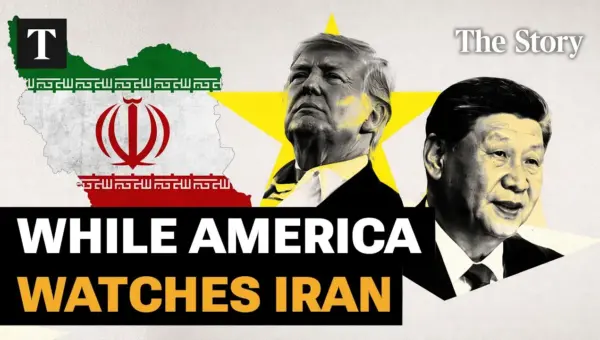
Iran War Strains US Power, Bolsters China’s Global Ambitions
The ongoing conflict with Iran has significantly weakened the United States' global standing and depleted its military resources. This has created an opening for China to expand its influence, potentially impacting the future of Taiwan. Analysts suggest the war may be a pivotal moment, marking a potential decline in American power.

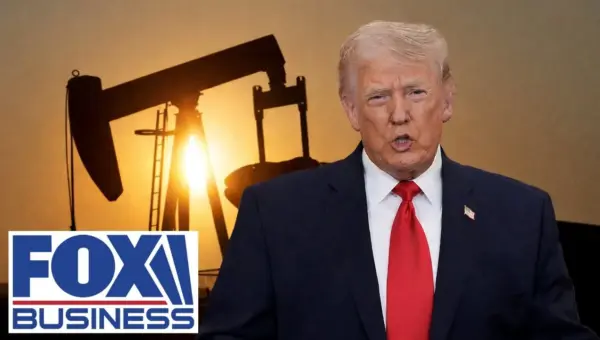
Trump Predicts Lower Oil Prices Despite Tensions
President Trump anticipates lower oil prices later this year, citing increased U.S. production and strategic actions like the Strait of Hormuz blockade. The administration also highlighted progress on domestic energy infrastructure, including a new natural gas pipeline for the Northeast, promising cost savings for millions of households.

Trump Readies Cuba Invasion: Military Plans Revealed
A new report reveals the US military is secretly preparing invasion plans for Cuba under President Trump's directive. Despite Cuba's outdated defenses, its leader vows to fight, raising regional and global concerns.