Ukraine Gains Momentum as Russia’s Advance Slows
Ukraine has announced significant territorial gains in its southern counteroffensive, reclaiming approximately 460 square kilometers and marking a shift in battlefield momentum. Meanwhile, Russia's territorial advance has slowed to its lowest pace in nearly two years, attributed in part to communication disruptions and intensified Ukrainian actions. The conflict is also evolving with shifts in tactics towards infrastructure disruption and changes in Russian recruitment strategies.

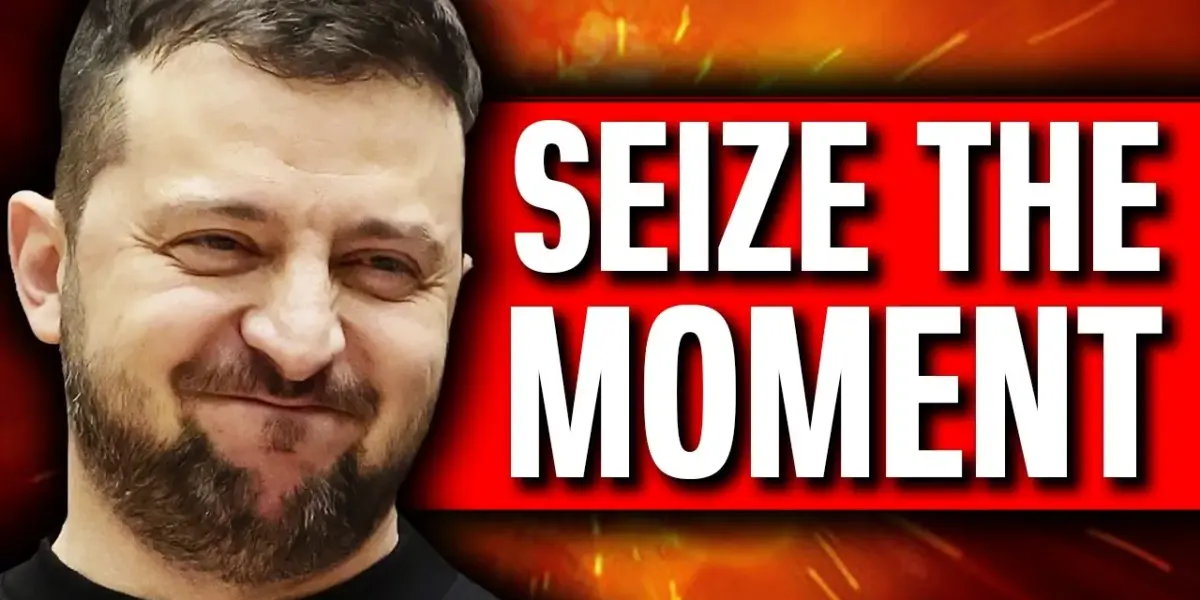
Ukraine Reclaims Significant Territory in Southern Counteroffensive
Kyiv, Ukraine – Recent developments on the Ukrainian frontlines indicate a significant shift in momentum, with Ukrainian forces announcing substantial progress in their southern counteroffensive and reclaiming approximately 460 square kilometers of territory. This advancement, part of a broader counteroffensive push that has been underway for several weeks, marks an escalation compared to earlier reported figures and suggests an accelerating pace along key southern frontlines.
The reclaimed territory is particularly significant as it disrupts Russia’s capacity to solidify defensive depth and forces Moscow to reevaluate its troop and firepower deployments. These gains strengthen Ukraine’s diplomatic leverage, reinforcing Kyiv’s stance that it should not be expected to cede territory for a cessation of hostilities, a crucial point in ongoing international discussions about support and potential peace talks.
Eastern Front Sees Localized Gains and Shifting Dynamics
Simultaneously, Ukrainian forces have reported the liberation of nine settlements in the eastern Zaporizhzhia region. These gains, while more localized than those in the south, are noteworthy as they represent a period where Ukraine may have regained more land than Russia has captured. For much of the past year, Russia’s strategy in the east has focused on incremental territorial increases, facing significant Ukrainian resistance.
Analysts point to intense difficulties Russia has encountered in translating tactical gains into decisive operational shifts. A key factor influencing these shifts appears to be communication disruptions within Russian units, reportedly exacerbated by reduced access to satellite-based internet systems like Starlink. This has hampered Russian command and control, unit cohesion, and responsiveness, creating opportunities for Ukrainian advances.
Russia’s Advance Slows to a Two-Year Low Amidst Operational Challenges
Striking analytical findings reveal that Russia’s military experienced its slowest territorial advance since April 2024 in February, gaining just over 120 square kilometers across the entire front. This slowdown, highlighted by the Institute for the Study of War, is attributed partly to changes in Russia’s access to battlefield communications systems and the intensity of Ukrainian counteractions. The reduced pace reflects not only operational limitations but also broader structural challenges, including unreliable communications networks that impede unit coordination, slow reaction times, and diminish the capacity to seize opportunities.
This slowdown has ramifications for international perceptions of the conflict, making Russia’s long-term strategic aspirations appear increasingly unrealistic. For Moscow, a loss of offensive steam pressures leadership to either increase costs or pivot toward alternative tools of influence.
Shifts in Russian Tactics: Emphasis on Disruption and Infrastructure Pressure
In response to slower territorial advances and diminished momentum, reports suggest Russian forces and affiliated actors are increasingly employing tactics focused on sabotage, infrastructure disruption, and what Ukrainian officials describe as acts of terror. These hybrid tactics, a dimension of the conflict since 2014, now appear to emphasize disruptive operations aimed at degrading civilian infrastructure and applying psychological pressure, rather than solely relying on territorial gains. For Ukraine, responding to these tactics requires balancing the protection of critical infrastructure with maintaining resilience and ensuring defensive energy can support counteroffensive operations.
The strategic effect of such sabotage operations, while diffuse, can influence the political environment, public perception, and war sustainability over time. This widening of the conflict’s spectrum to include more asymmetric forms of pressure reflects forces constrained in one domain seeking to exert pressure in another.
Manpower Pressures: Russia Adapts Recruitment Strategies
Amidst these evolving battlefield dynamics, reports indicate that Russia’s recruitment efforts are increasingly targeting foreign nationals, particularly migrants from Central Asian countries, and women, to fill manpower gaps. Financial incentives are being offered to attract recruits at a time when Russia’s military labor pool is under strain. This trend highlights a structural challenge for Moscow in sustaining a long-term, manpower-intensive campaign while maintaining operational coherence and effectiveness.
The integration of individuals who may lack extensive military experience reflects pragmatic adjustments to personnel shortages. For Ukraine’s Western partners and observers, these recruitment shifts offer insights into Russia’s internal pressures and their influence on battlefield decisions, raising questions about the integration and training of these new recruits and their long-term impact on unit performance.
Zelenskyy on Post-War Elections and Ukraine’s Political Future
In a significant political development, Ukrainian President Volodymyr Zelenskyy has reiterated that elections will occur only after the war ends, not during a temporary truce. He also stated that he is uncertain whether he will run for the presidency again. This statement has implications that extend beyond scheduling, as the question of when and how democratic processes can occur is tied to the conflict’s trajectory.
Holding elections under martial law requires sufficiently stable and secure conditions, which are difficult to guarantee during active hostilities. Zelenskyy’s intentional vagueness about his future candidacy speaks to how leadership roles evolve during prolonged conflicts, balancing wartime defense, national morale, and the complex considerations of peacetime leadership. His position reinforces Ukraine’s desire to balance leadership continuity with democratic legitimacy and strengthens its institutional frameworks, ensuring that anticorruption mechanisms and civic institutions remain robust for credible elections.
Conclusion: A Dynamic and Multi-Dimensional Conflict
Taken together, these developments—notable territorial gains in the south and east, Russia’s slowest advance in nearly two years, shifts towards disruption tactics, evolving Russian recruitment strategies, and President Zelenskyy’s clear marker on post-war elections—suggest a conflict that is dynamic and multi-dimensional. The implications extend far beyond battlefield lines, impacting political, institutional, and strategic realms. The evolving nature of the war highlights the need for continued analysis of these interconnected developments as Ukraine navigates its defense and looks toward its future.
Source: Russia's MOMENTUM JUST BROKE. Tech Disruptions RESHAPE the Front. Manpower Crisis | TOP 6 NEWS 03.04 (YouTube)

Related Articles
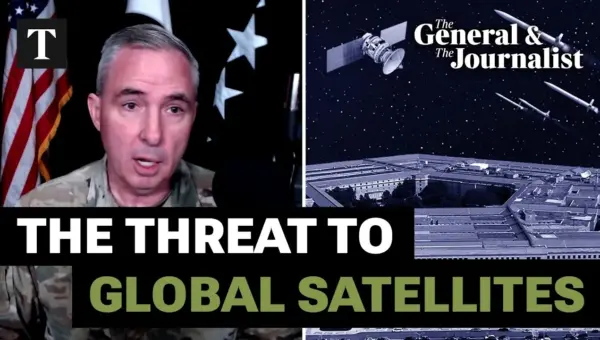
Russia Nuclear Threat to Satellites Sparks Space War Fears
U.S. Space Command Commander General Steven Whiting has warned of escalating threats to satellites from Russia and China, including a potential Russian nuclear weapon for space. He highlighted the catastrophic risks of such an attack and the critical role satellites play in daily life, while also expressing optimism for future space exploration.
US Navy Blockades Strait of Hormuz Amid Talks Collapse
The U.S. Navy has imposed a blockade on the Strait of Hormuz following the collapse of U.S.-Iran ceasefire talks. The action aims to counter Iran's mining of the strait and its attempts to charge tolls on global shipping. This move significantly escalates regional tensions and targets Iran's primary revenue source.


US Navy Tightens Grip on Iran in Strait of Hormuz
The U.S. Navy has imposed a naval blockade on Iran, cutting off access to its ports in the Strait of Hormuz. This action follows the collapse of nuclear talks and signals a major escalation in U.S.-Iran tensions. Iran has threatened retaliation against regional partners, raising fears of a wider conflict.