Minister Dodges Welfare Cut Question Amid Defense Concerns
UK Chief Secretary to the Treasury, James Murray, faced intense questioning on welfare spending and defense readiness. Murray repeatedly sidestepped direct answers on whether the government plans to reduce the welfare budget, despite projected increases and concerns over defense funding.

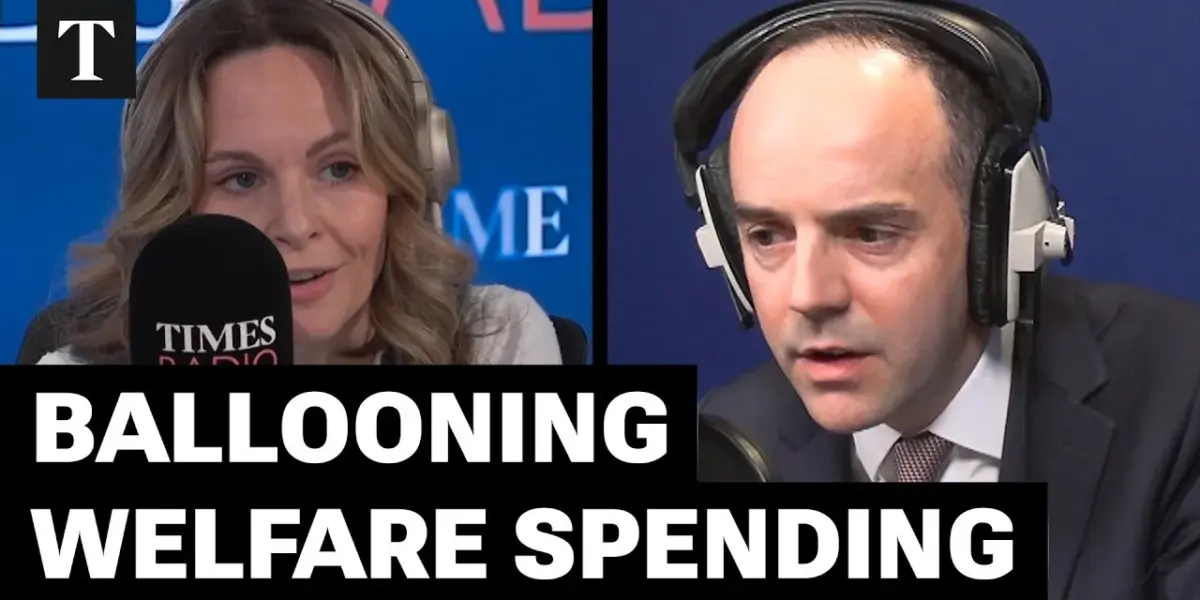
UK Minister Under Fire Over Welfare Spending Amid Geopolitical Tensions
In a tense interview on the BBC’s “Sunday with Laura Kuenssberg,” Chief Secretary to the Treasury, James Murray, faced pointed questions regarding the government’s stance on welfare spending and its preparedness for international security challenges. The interview, conducted following Chancellor Rachel Reeves’ spring statement and amidst escalating geopolitical tensions, saw Murray repeatedly pressed on whether the government intends to reduce the welfare budget, a topic he appeared reluctant to address directly.
Trump’s Scathing Assessment and UK’s International Role
The interview began with a direct challenge to Murray regarding former President Donald Trump’s recent assessment of Prime Minister Keir Starmer as “no Winston Churchill.” Murray sought to pivot the conversation to the Prime Minister’s decision-making in the national interest, particularly concerning recent international strikes. “President Trump has expressed his disagreement with the decision that we took about joining those initial strikes on Iran over the weekend,” Murray stated. “But I think what’s really important when we think about that decision is that to recognize that the prime minister took the decision he did in the national interest.” He emphasized that the UK acted defensively to protect British citizens and assets, asserting that the “special relationship” with the US remains strong, with ongoing cooperation on intelligence sharing and defensive actions.
Concerns Over Defense Capabilities and Deployment
The discussion then shifted to the UK’s defense posture, particularly in the Persian Gulf region. When questioned about the absence of British ships in the Gulf at the time of a recent drone attack, Murray explained that defensive capabilities were being bolstered, including the deployment of HMS Dragon and Wildcat helicopters. However, he was unable to provide a timeline for HMS Dragon’s arrival, stating he would not comment on “operational matters.” This led to further scrutiny, with the interviewer highlighting that it would take eight days for the ship to reach the region, raising doubts about its immediate effectiveness in protecting personnel and assets.
Murray defended the government’s actions, pointing to the pre-existing build-up of defensive capabilities, including F-35 jets in Cyprus and Typhoon fighters in Qatar, over recent weeks. He also addressed the deployment of the UK’s only operational nuclear-powered attack submarine to Australia, questioning the timing and preparedness of the UK’s military assets.
Defense Investment Plan Delays and Budgetary Questions
A significant point of contention was the delayed publication of the Defense Investment Plan, which has reportedly been postponed for nine months. Murray insisted that the Ministry of Defence was working hard to finalize the plan, while also highlighting the government’s commitment to increasing defense spending. He cited the Chancellor’s plans for the highest sustained increase in defense spending since the Cold War, aiming to reach 2.6% of GDP next year, with an ambition to reach 3% in the next parliament.
“You know, it’s going to increase to 2.6% of GDP from next year. We have an ambition to get back to 3% in the next parliament,” Murray stated. He detailed an investment of £270 billion over the current parliament, with an additional £5 billion this year alone.
The Welfare Spending Conundrum
The interview culminated in a direct confrontation over welfare spending. Faced with figures showing welfare expenditure projected to rise to £47 billion by 2030, significantly exceeding the defense budget, Murray was repeatedly asked if the government intended to cut welfare spending. He initially stated that “welfare spending needs to be made sure it keeps under control,” but hesitated when asked if that meant reducing it.
“Sorry, you can’t say reduced. You were about to say reduced there and you stopped yourself,” the interviewer pointed out.
Murray attempted to clarify, distinguishing between different components of welfare spending and mentioning efforts to reduce fraud and error, as well as reforms to Universal Credit aimed at encouraging people back to work. However, he consistently avoided a direct commitment to cutting the overall welfare budget. “We are not done in terms of our reforming of the welfare system,” he said, when pressed again on whether £47 billion was acceptable.
The interviewer pressed further, highlighting the concerns of senior military officials about the nation’s ability to fund its military capacity and questioning how the government could justify not deeming the £47 billion welfare spending excessive. Murray reiterated the government’s focus on getting people into work, particularly young people who are long-term unemployed, and stressed the significant investment in defense. When asked directly if the £47 billion spent on welfare was acceptable and if the government wanted to cut welfare spending, Murray concluded, “This government wants to get people into work and that means getting people off welfare and into jobs.”
Looking Ahead
The exchange underscores a central tension in the government’s fiscal and security policy. As geopolitical uncertainties persist and defense spending commitments grow, the pressure to demonstrate fiscal responsibility, particularly concerning welfare expenditure, is likely to intensify. The clarity, or indeed the continued ambiguity, surrounding the government’s approach to welfare reform and its tangible impact on the budget will be a key area to watch in the coming months.
Source: Minister Grilled On Welfare Bill: ‘Why Can’t You Say You Want To Reduce It?’ (YouTube)

Related Articles


US Oil Dominance Surges Amidst Global Tensions, Swalwell Resigns
The US is experiencing a surge in oil exports and implementing a blockade on Iranian ports, signaling a potential return to energy dominance. This comes as Congressman Eric Swalwell resigns amid serious misconduct allegations and faces criminal investigation. The dual developments highlight significant shifts in both global strategy and domestic politics.

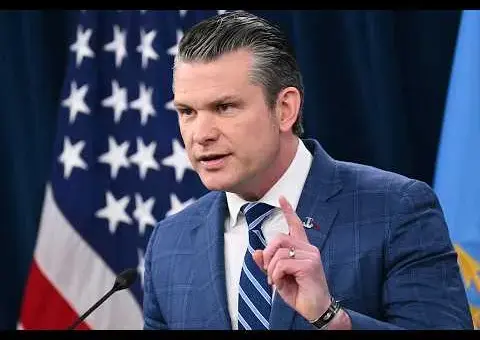
US Tightens Grip: Iran Faces Blockade and Economic Fury
The U.S. has implemented a naval blockade against Iran, crippling its energy exports and intensifying economic pressure. Officials state Iran's military is depleted, while the U.S. is stronger with superior intelligence. The operation aims to force Iran to choose between a diplomatic resolution or severe consequences.
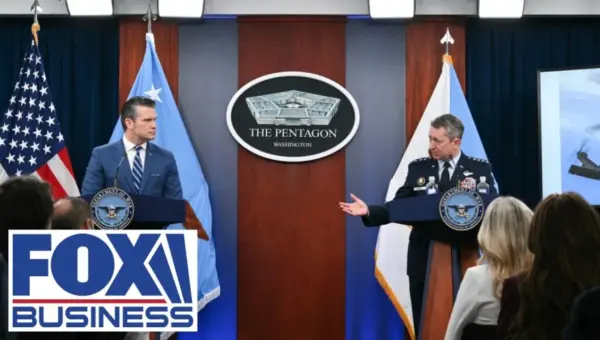
US Navy Maintains Ironclad Blockade on Iran
The U.S. Navy has implemented a strict blockade on Iran's ports, restricting all ship traffic to and from the country. This move is part of Operation Epic Fury, aimed at pressuring Iran to agree to a deal. Military officials emphasized readiness to resume combat operations if necessary and highlighted the strength of U.S. naval power and regional partnerships.