Texas Supreme Court Blocks Extended Voting Hours in Dallas
The Texas Supreme Court has blocked extended voting hours in Dallas County, impacting thousands of voters and casting uncertainty over provisional ballots. The ruling follows confusion over a shift to precinct-level polling sites, leading to a judicial battle over ballot validity.

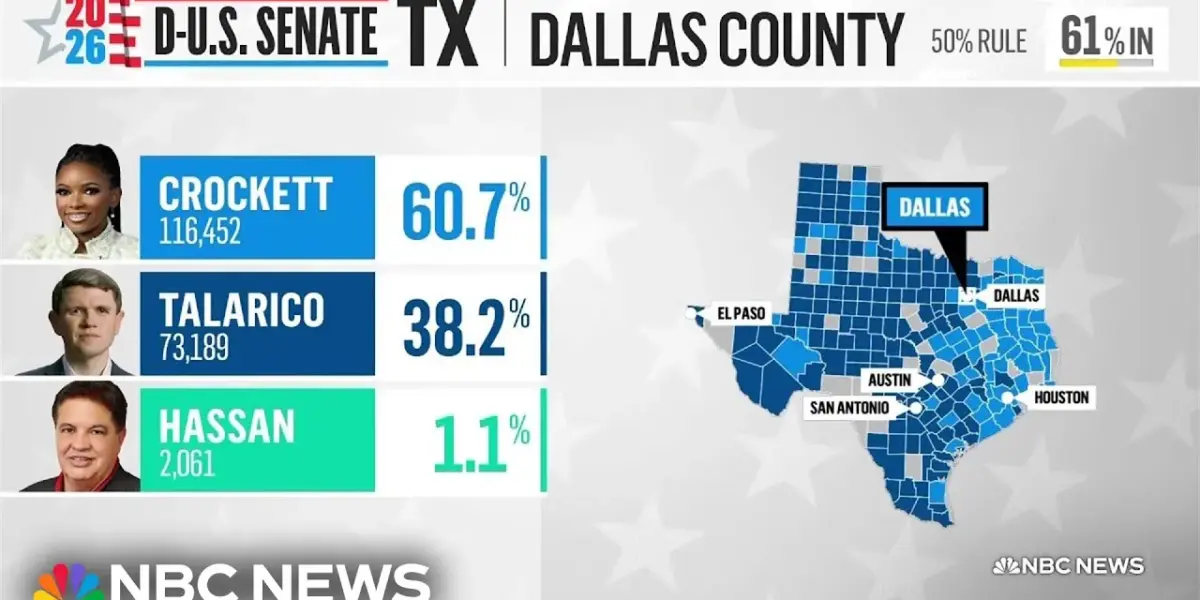
Texas Supreme Court Blocks Extended Voting Hours in Dallas County Amid Election Confusion
In a significant legal development that has injected further uncertainty into the ongoing election in Dallas County, the Texas Supreme Court has intervened, blocking a lower court’s order to extend polling hours. The decision came late Tuesday, halting a two-hour extension that had been granted to accommodate voters who experienced confusion due to a last-minute change in polling site procedures. This ruling means that ballots cast during those extended hours will be kept separate, raising questions about their potential impact on the final election results.
Root of the Confusion: Precinct-Level Polling Changes
The controversy stems from a decision made by Dallas Republicans last year to implement precinct-level polling for elections. This move, aimed at enabling hand-counting of ballots, required all elections to be conducted at the precinct level, a change that Democrats felt compelled to follow under state law. Previously, voters in Dallas County had the option to cast their ballots at any polling site within the county.
The shift to assigned precinct polling sites, which took effect on Election Day, led to widespread confusion. Voters who had become accustomed to the flexibility of countywide polling sites found themselves unable to vote at their usual locations and were required to go to their specifically assigned precinct. This change reportedly caused thousands of voters to go to the wrong polling site.
Judicial Intervention and the Texas Supreme Court’s Ruling
In response to the confusion and the potential disenfranchisement of voters, a judge initially ordered that polling places in Dallas County remain open for an additional two hours beyond the standard closing time. This order was intended to give voters who had been turned away or directed to the wrong location more time to cast their ballots.
However, the Texas Supreme Court swiftly stepped in, issuing a stay that blocked the extended voting hours. The court further mandated that any ballots cast during those extra two hours be segregated from the other ballots. This separation is crucial, as it allows election officials and the courts to potentially exclude these ballots from the final count if they deem the extended voting period to have been unlawful.
Legal Implications and Voter Uncertainty
Jane Timm, a senior producer for NBC News who has been closely following the situation, explained the legal ramifications of the Texas Supreme Court’s decision. “You don’t separate ballots unless you think you might not use them,” Timm stated.
“Once they’ve been separated, the court can now say they believe that order was made in was was illegal and that those ballots shouldn’t count. They say that the voting should have just taken place up until 7 p.m.”
The uncertainty now lies in what will happen to these provisional ballots. While those who were in line before the original 7 p.m.
Closing time are expected to have their ballots counted normally, the status of ballots cast during the extended period remains in question. The court’s decision implies that these ballots could be challenged and potentially discarded, depending on the legal interpretation of the extended voting period.
The Stakes: Impact on Close Races
The implications of this ruling are particularly significant given the context of the election. For campaigns like that of Jasmine Crockett, whose home county is Dallas, the results from this area are critical. The potential for thousands of ballots to be set aside, or to be subject to lengthy legal challenges, could have a substantial impact on the outcome of closely contested races.
The question of whether these separated ballots could actually make a difference in the final results is a key point of speculation. If the margin of victory in a race is narrow, the decision on whether to count or discard these provisional ballots could ultimately decide the winner.
Looking Ahead: Urgency and New Territory
The urgency for a swift resolution to this legal matter is palpable, as election officials and campaigns await clarity on the status of the vote count. “They got to move quick, right?” Timm remarked on the timeline for a decision. “But you know, yeah, everything’s this is all new territory for us.
So we’ll see. I’ll be watching the docket.”
As election officials begin the meticulous process of counting the votes, the focus will undoubtedly remain on Dallas County. The ongoing legal battles and the fate of the provisional ballots cast during the extended hours represent a critical juncture in this election, highlighting the complexities and challenges that can arise in the administration of voting processes.
Source: Texas Supreme Court blocks extended poling hours in Dallas County (YouTube)

Related Articles

Voter ID Laws: O’Leary Says Simple Proof Needed for Voting
Investor Kevin O'Leary argues that requiring voter identification is a simple, common-sense measure already practiced globally. He believes it reduces fraud concerns and aligns with the constitutional right of citizens to vote. O'Leary questions the ongoing debate, stating that proving one's identity is a straightforward requirement for voting.
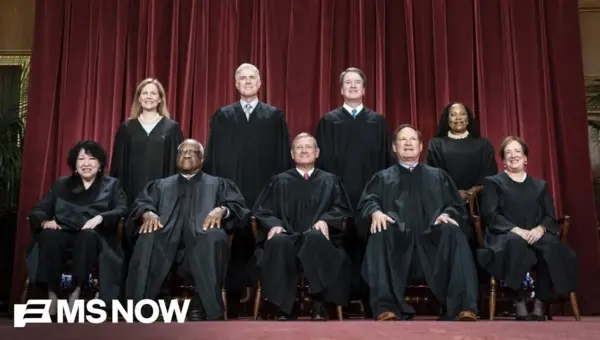
Supreme Court Debates Mail-In Ballots Received After Election Day
The Supreme Court heard arguments on whether states should count mail-in ballots received after Election Day, even if postmarked on time. The case could impact voters in over a dozen states, including military personnel serving abroad. A decision is expected by the end of June.


Democrats Face Voter ID Vote Dilemma
Ten Democratic lawmakers are facing a crucial vote on voter identification laws. The debate centers on requiring proof of citizenship and real IDs for voting and mail-in ballots. This issue highlights the ongoing tension between election security and voter access.