Iran War: Air Defense Stockpiles Dictate Conflict Length
The duration of the conflict involving Iran hinges on a critical race between its missile and drone capabilities and the defensive stockpiles of its adversaries. With advanced air defense systems proving costly to operate, the ability to sustain interceptions against a continuous barrage of Iranian attacks is a key factor. Experts suggest that the depletion of weapon reserves on both sides could dictate the war's length and potentially impact the stability of the Iranian regime.

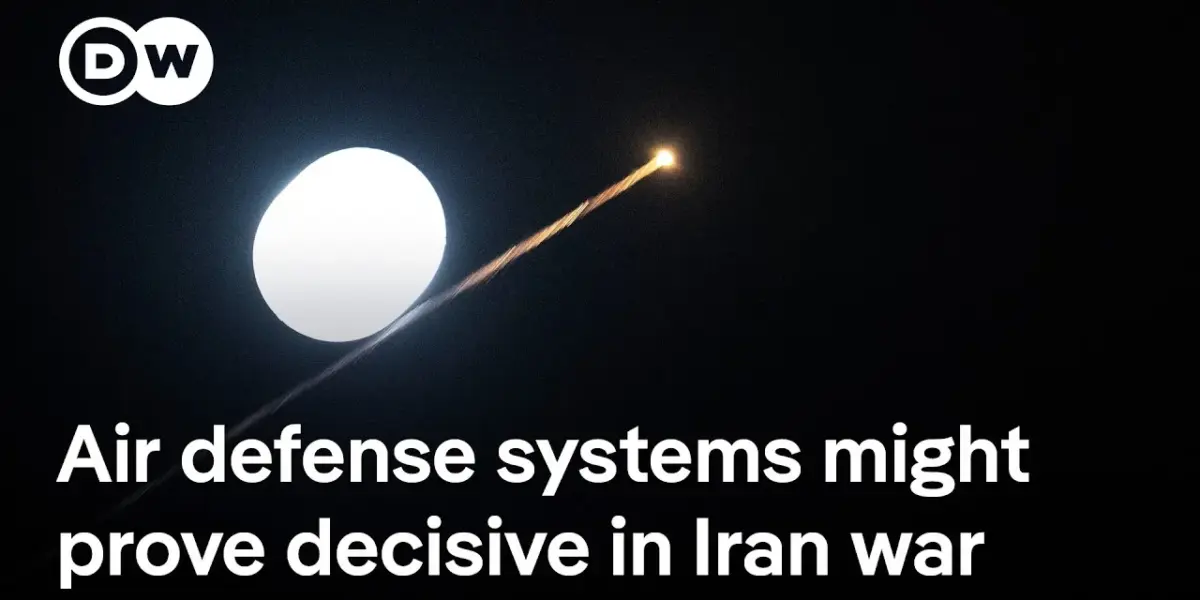
Air Defense Race: A Crucial Factor in Iran Conflict’s Duration
As the conflict involving Iran escalates, a critical question looms: how long can air defense systems effectively protect against Iranian aggression, and what does this mean for the longevity of the war and the stability of the Iranian regime? While leaders like Donald Trump suggest sustained military action and nations like Israel possess significant weapon production capabilities, the ability to intercept an unending barrage of Iranian drones and missiles presents a formidable challenge. The key lies in the race between Iran’s offensive capabilities and the defensive stockpiles of its adversaries, including the United States, Israel, and Gulf Arab states.
The High Cost of Interception
The effectiveness of air defense systems in limiting damage and casualties from Iranian strikes has been evident. However, these systems, particularly advanced ones like the U.S.-supplied Patriot system, come with a staggering price tag. A single Patriot system can cost hundreds of millions of dollars, and interceptors themselves can cost around $1 million each.
In contrast, Iranian Shahed drones are produced for tens of thousands of dollars. This stark cost imbalance means that intercepting multiple drones with multiple expensive missiles quickly depletes defensive resources.
Thomas Juno, a professor at the University of Ottawa’s Graduate School of Public and International Affairs, highlights this imbalance: “If you only look at the numbers, there’s a very clear imbalance here. $2 to $3 million perhaps for two or three interceptors against $50ish,000 for the drone itself.” He cautions, however, that this financial disparity must be viewed within the broader economic context, with Iran facing severe sanctions while wealthy Gulf states and the U.S. Possess massive defense budgets.
Iran’s “Equalizer” Strategy: Drones and Missiles
Recognizing its conventional military inferiority compared to the U.S. and Israel, Iran has strategically focused on developing its missile and drone capabilities over the past few decades. These weapons are considered “equalizers,” allowing Iran to threaten and inflict costs on its adversaries despite its overall vulnerability.
The development of a robust indigenous drone industry has been particularly notable, with Iran not only building its own but also exporting its technology and expertise. This has empowered groups like the Houthis in Yemen and even led to Iran assisting Russia in building drone manufacturing capacity within Russia for its war in Ukraine.
The Fog of War: Uncertainty Over Stockpiles
Precisely determining the duration of the conflict is complicated by a lack of publicly available information regarding weapon stockpiles. “In practice, the challenge is that it’s very difficult for you or me to answer that question because most of the numbers are not known publicly,” Juno explains. Adversaries are unlikely to reveal their remaining weapon quantities during wartime.
While Israel has reportedly worked to replenish its interceptor stocks in anticipation of current events, the exact number of remaining interceptors is unknown. Similarly, the quantities held by Gulf Arab states like the UAE, Qatar, and Saudi Arabia are also unclear.
Rumors circulate about the extent to which Israel may have depleted its interceptors in past conflicts, but definitive conclusions remain elusive. Juno notes the “fog of war” that prevents firm judgments, suggesting that any perceived slowdown in Iranian launches could be due to various tactical reasons rather than an immediate depletion of capabilities.
Gulf Arab States Under Pressure
The Arab Gulf states find themselves on the front lines of this conflict, facing direct threats from Iranian missile and drone attacks. While not allies of Iran, their proximity makes them particularly vulnerable.
Reports suggest that even before the current hostilities, these nations were urging the U.S. and Israel to de-escalate. As attacks have intensified, their alignment with the U.S. has strengthened, yet they are reportedly already exerting pressure on Washington to find an “offramp” to avoid prolonged conflict.
Juno anticipates that if the war continues for weeks, the pace of Iranian attacks might slow due to interceptor constraints. However, Iran’s own missile stocks are also finite. Estimates suggest Iran began the war with around 2,000 intermediate-range missiles capable of reaching Israel, a number that is rapidly diminishing.
While they possess more shorter-range missiles for targets across the Persian Gulf, these are also not limitless. The ultimate duration of the conflict, therefore, hinges on this delicate race to deplete either offensive missiles or defensive interceptors.
Regime Stability at Stake
The ongoing conflict and the strategic targeting of Iran’s missile and drone production facilities and stockpiles represent a key pressure point for the Iranian regime. Beyond decapitating leadership and achieving air superiority, the U.S. and Israel are actively targeting Iran’s ability to launch sustained attacks. Juno emphasizes that this focus on degrading Iran’s offensive capabilities is expected to continue.
The question of whether the conflict could lead to regime change in Iran is complex. Juno suggests that a prolonged conflict, extending over weeks, increases the probability of the Islamic Republic’s collapse.
Conversely, if a conflict were to end quickly with a declaration of victory, the regime might survive, albeit in a weakened state. The longer the war drags on, the more the regime’s stability is tested, making the race for defensive and offensive capabilities a crucial determinant not only of the conflict’s length but also of the Iranian regime’s future.
Looking Ahead
The coming weeks will be critical in observing how both sides manage their weapon stockpiles and how effectively air defense systems can sustain their operations against Iranian offensives. The economic and political pressures on Iran, coupled with the defensive capabilities of its adversaries, will shape the trajectory of this escalating conflict and its potential implications for regional stability and the future of the Iranian regime.
Source: How long can air defense systems defend against Iran? | DW News (YouTube)

Related Articles


UK Parliament Member Slams Trump: ‘Dangerous Gangster’
A member of the British Parliament has sharply criticized former U.S. President Donald Trump, calling him a "dangerous and corrupt gangster." This condemnation reflects growing international concern over Trump's potential return to power and his foreign policy approach. The remarks highlight a global backlash amid fears of increased conflict, particularly regarding Iran.
Russia Eyes China as Energy Lifeline Amid Global Shifts
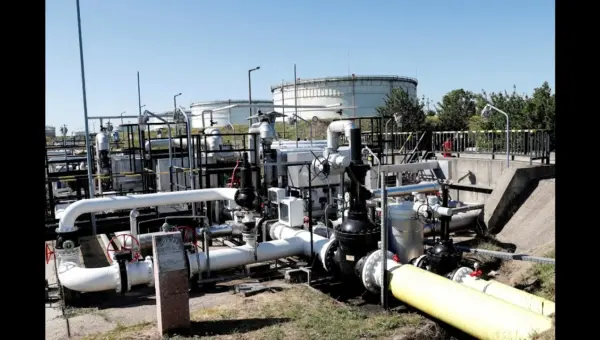
Russia is signaling an increase in energy exports to China ahead of President Putin's visit, highlighting deepening ties amidst global market disruptions. This strategic pivot east is a direct response to Western sanctions and Europe's phasing out of Russian imports.
China Aids Iran, Trump to Confront Xi on Trade
President Trump plans to discuss China's alleged support for Iran with President Xi Jinping at an upcoming summit. Reports indicate Iran has used Chinese spy satellites, and concerns exist over dual-use technology transfers. U.S. actions to limit Iran's oil exports aim to pressure China, a key energy partner.