US Policy Flip Fuels Global Market Fears
Recent U.S. policy shifts on Russian oil sanctions and Iran negotiations have created global market instability. This uncertainty is impacting energy prices, business operations, and consumer confidence worldwide. The reliability of American diplomatic commitments is under scrutiny as the world watches for a clearer strategy.

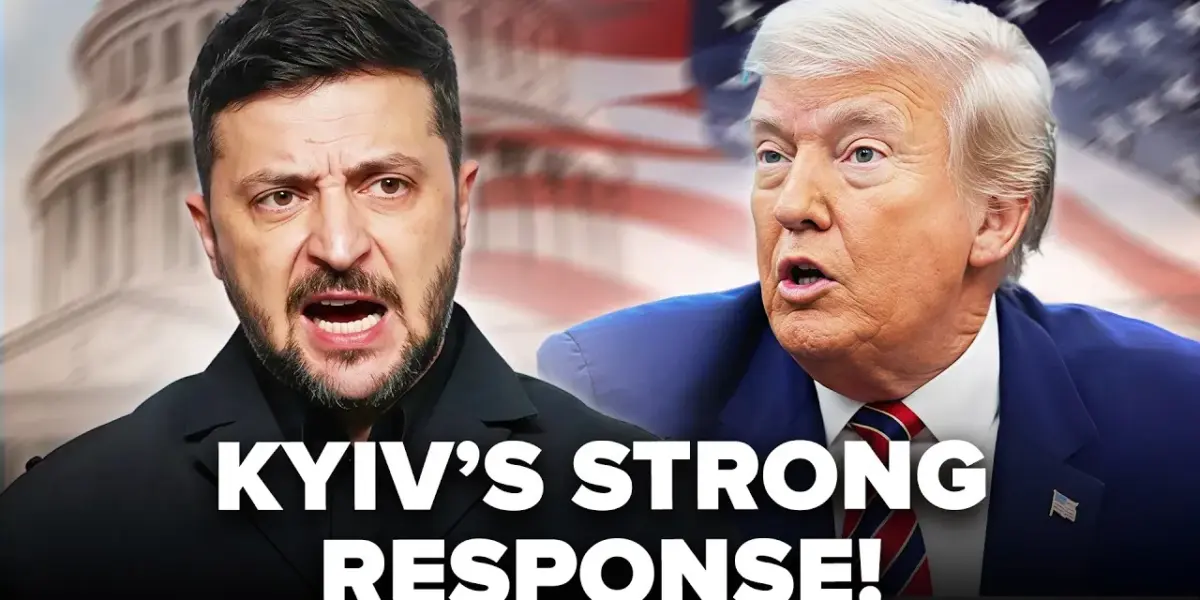
US Policy Flip Fuels Global Market Fears
Recent shifts in United States policy regarding sanctions on Russia and engagement with Iran have created significant uncertainty in global energy and financial markets. The Biden administration’s apparent reversal on renewing waivers for Russian oil, despite earlier assurances, has raised questions about the reliability of American diplomatic commitments. This has led to increased oil prices and concerns about economic stability worldwide.
The situation is further complicated by ongoing discussions about Iran’s nuclear program. Hopes for a swift peace deal have dimmed as signals from Iran remain mixed regarding its willingness to relinquish enriched uranium.
This uncertainty echoes past diplomatic efforts, such as the Obama administration’s 20-month negotiations with Iran, which aimed to establish clear limits on nuclear activities. The previous withdrawal from the Joint Comprehensive Plan of Action (JCPOA) in 2018 has been cited as a factor that allowed Iran to resume nuclear enrichment.
Ukraine Conflict and Sanctions Scrutiny
In Ukraine, President Zelensky has voiced strong criticism of the United States for easing sanctions on Russian oil. This comes as the U.S. government, after initially stating it would not renew waivers for Russian oil already at sea, reversed course within 48 hours. Officials cited pressure from G20 leaders who required immediate relief, highlighting a growing distrust in U.S. pronouncements.
The waiver allows Russia to continue selling oil, a move that directly impacts Ukraine’s efforts to isolate Moscow economically. The lack of a clear, consistent strategy from the U.S. administration on sanctions for both Iran and Russia is becoming increasingly apparent. This inconsistency undermines the value of American diplomacy, a cornerstone of its foreign policy for decades.
Economic Fallout and Consumer Sentiment
The ripple effects of these geopolitical tensions are being felt globally. Oil prices have surged, impacting everything from airline travel to household budgets.
In countries like Australia, Indonesia, and Korea, energy shortages have led to school closures and travel restrictions. The closure of oil refineries has long-term consequences, with each day of shutdown requiring weeks to bring back online.
American consumers are experiencing the economic strain at the pump and in their wallets. Summer travel plans have been disrupted by rising airfare, with ticket prices doubling.
Small businesses are struggling with increased energy costs, with many deciding to close rather than face potential bankruptcy. This economic pressure is reflected in historically low consumer sentiment, a stark contrast to the strong performance of the U.S. stock market, which has been artificially inflated by AI companies.
EU’s Approach to Ukraine Membership
Meanwhile, within the European Union, Germany and France are reportedly exploring a ‘shadow membership’ for Ukraine. This proposal suggests offering a less formal associate membership status, rather than requiring full adherence to all EU standards before joining. The idea is that experiencing some benefits of membership would incentivize countries to accelerate necessary internal reforms.
This approach could potentially speed up Ukraine’s integration into the EU. However, achieving unanimous consent among member states remains a significant hurdle.
Recent political shifts in countries like Hungary and Bulgaria add another layer of complexity to the decision-making process. The EU’s internal dynamics will play a key role in whether such a proposal can gain traction.
Bulgaria’s Role and Economic Considerations
Bulgaria faces a political crossroads, with a pro-Russian frontrunner in upcoming elections. This comes despite Bulgaria’s consistent role as a supplier of military equipment to Ukraine. The decision to continue supplying weapons has been influenced by financial incentives, with Europe paying the U.S. for arms that are then transited through countries like Bulgaria.
The economic benefits derived from such arrangements are significant. Halting aid to Ukraine could negatively impact Bulgaria’s own economy, potentially influencing future government decisions. The complex interplay of geopolitical alliances, economic interests, and domestic politics will continue to shape the trajectory of these ongoing conflicts and international relations.
Strategic Implications
The instability in U.S. foreign policy, particularly concerning sanctions and international agreements, creates a volatile environment for global markets. The perception of unreliability weakens the United States’ diplomatic leverage and encourages other nations to seek alternative partnerships or pursue independent strategies. This can embolden adversaries and create opportunities for geopolitical realignments.
The economic consequences are far-reaching, affecting energy security, business operations, and household finances across the globe. The disconnect between a strong stock market and weak consumer sentiment in the U.S. suggests underlying economic fragility. This situation could lead to significant market corrections or a broader decline in consumer confidence.
Historical Parallels
The current situation regarding Iran’s nuclear program draws parallels to the intense negotiations that preceded the original JCPOA. The Obama administration’s extensive efforts to engage technical experts and establish verifiable limits on enrichment demonstrate the complexity of such agreements. The subsequent withdrawal from the deal highlights the challenges of maintaining long-term international consensus on sensitive security issues.
Similarly, the debate over EU membership for Ukraine echoes past expansions of the bloc. The idea of offering associate membership to accelerate reforms is not entirely new. It reflects a pragmatic approach to integrating aspiring members while acknowledging the difficulties of meeting stringent accession criteria.
Looking Ahead
The coming months will be critical in observing how the United States navigates these complex policy challenges. The upcoming elections in November will likely influence the administration’s approach to foreign policy and economic stability. The outcomes of these elections could lead to significant shifts in U.S. engagement with both the Middle East and Eastern Europe.
Developments in the European Union regarding Ukraine’s membership status and the ongoing elections in Bulgaria will also be closely watched. These events will shape the future of European security architecture and the continent’s response to ongoing geopolitical pressures. The world is waiting to see if a more stable and predictable U.S. foreign policy emerges from this period of uncertainty.
Source: 😱Kyiv stunned by statement from US! Kremlin did not expect this. An unexpected turn in war (YouTube)

Related Articles

Dem Lawmaker: Trump Undermines Iran Deal Prospects
Rep. Adam Smith, a leading Democrat on the House Armed Services Committee, stated that President Trump's claims about the conflict with Iran are meaningless and that the U.S. has not achieved its objectives. Smith believes Trump's unpredictable and boastful rhetoric is undermining any possibility of a diplomatic deal with Iran and empowering hardliners.

Canada Steps Up as US Falters on Global Stage
Canada is stepping up as a global leader, forging new trade partnerships and strengthening its economy under Mark Carney's guidance. This strategic pivot aims to protect citizens from global instability, contrasting sharply with the U.S.'s shifting policies and internal economic struggles. Canada's focus on social programs and national investment signals a new era of independent strength.
Trump’s Iran Stance Could Define Election
A strong stance on Iran's nuclear ambitions is emerging as a critical election issue, with critics arguing Democrats are misjudging Donald Trump's assertive strategy. The potential threat of Iranian nuclear weapons is presented as a direct danger to American cities, demanding immediate action. This foreign policy debate is seen as potentially overshadowing traditional Republican platforms like the economy.