Regulators Probe Suspected Insider Trading Amid Iran War
Federal regulators are reportedly investigating suspicious trading activity that occurred just minutes before President Trump altered his public stance on the Iran war. The CFTC is examining instances of well-timed trades in futures markets, where billions of dollars may have been involved, raising concerns about market integrity and national security.

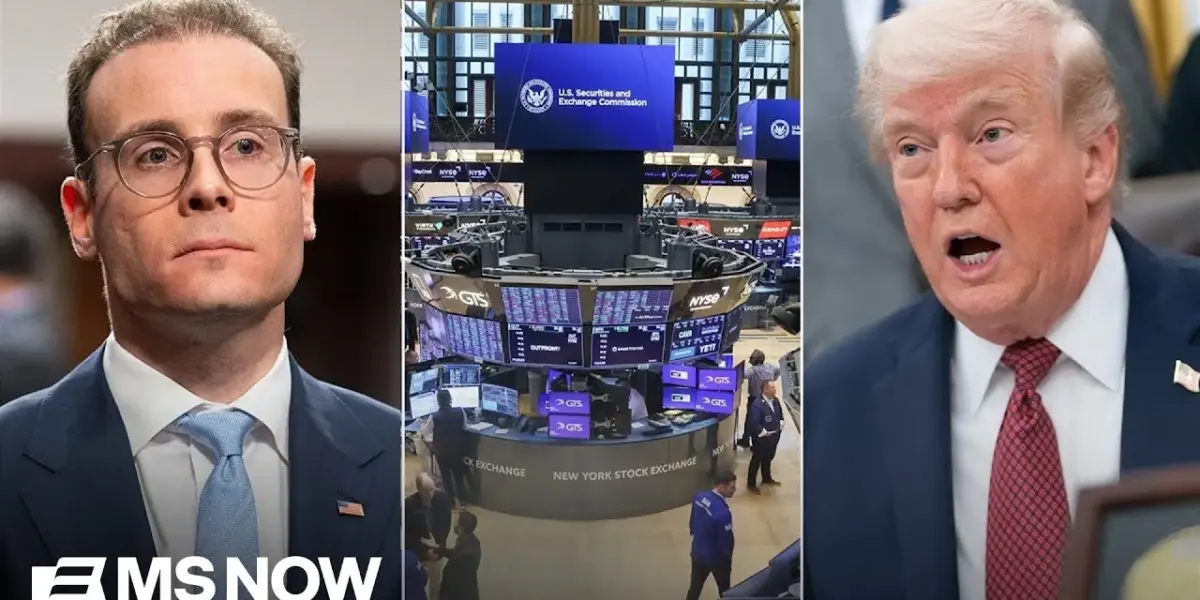
Regulators Investigate Suspicious Trades Linked to Iran War Policy
Federal regulators are reportedly looking into unusual trading activity that occurred just minutes before President Trump publicly changed his stance on the Iran war. The Commodity Futures Trading Commission (CFTC) is investigating at least two instances of sharp increases in well-timed trades. These trades reportedly happened shortly before major policy announcements related to the conflict.
This news comes after months of concerns about potential insider information leaks. These leaks may have allowed individuals to profit from prediction markets and futures markets. The scale of these suspected illicit trades has grown significantly, raising alarms about market integrity and national security.
Millions and Billions: The Scale of Suspected Insider Trading
Experts have noted a dramatic escalation in the suspected insider trading. While initial concerns focused on prediction markets like Polymarket and Kalshi, where millions of dollars were reportedly traded, the focus has now shifted to futures and options markets. Here, the suspected illicit trades are in the billions of dollars.
One striking example cited occurred on April 17th. Within a two-minute window, $760 million worth of oil futures were traded.
This happened exactly 20 minutes before a major announcement regarding the Strait of Hormuz. The announcement, which claimed a reopening that wasn’t real, added to suspicions about the timing of the trades.
“The corruption is endemic, it’s systemic, and it’s growing. And it’s not only affecting those markets. It’s affecting the entire oil markets and the entire stock market because the scale of these illicit trades and suspected insider trading has gotten so large that no one’s ever seen anything like it.”
Market Operators Respond Amidst Investigation
The CME Group, a major futures exchange operator, has defended its markets. They stated that any review of market behavior must include all trading venues, including prediction markets. The CFTC, which is conducting the investigation, is led by a Trump appointee who has publicly supported prediction markets.
Adding another layer of complexity, Donald Trump Jr. is listed as an investor and advisor to both Kalshi and Polymarket. This connection has led to questions about potential conflicts of interest and the thoroughness of any investigation.
Challenges to Accountability and Oversight
Despite the CFTC investigation, confidence in a full resolution is low for some observers. The current administration has been criticized for weakening public accountability mechanisms. For instance, the SEC’s main enforcement prosecutor resigned in protest over uninvestigated cases related to the Trump organization.
The public integrity unit at the Department of Justice has seen a significant reduction in staff. This has led to concerns that even with an investigation launched, the capacity to thoroughly pursue and prosecute such complex cases may be limited. The sheer volume and scale of the suspected corruption suggest existing oversight mechanisms may not be sufficient.
Broader Implications for Markets and National Security
The alleged insider trading extends beyond financial markets. Decisions on national security, particularly concerning the Iran war, could be influenced by individuals with financial stakes in the outcome. This situation raises serious concerns about whether policy is being driven by national interest or personal profit.
The integrity of financial markets is crucial for economic stability. When large-scale suspected insider trading occurs, it erodes public trust and can distort market behavior. The connection between financial markets and national security decisions presents a particularly troubling aspect of this ongoing situation.
Congressional Action and Future Outlook
While the CFTC investigation proceeds, attention is also turning to Congress. Many members of Congress, on both sides of the aisle, are known to trade stocks, sometimes with information not available to the public. While often legal, this practice has drawn criticism and calls for reform.
Several bills have been introduced in Congress aimed at increasing transparency and accountability for prediction markets and potentially limiting stock trading by lawmakers. However, progress on these initiatives has been slow, with some attributing the lack of action to leadership that may benefit from the current system. Hope for significant legislative change may depend on a shift in congressional control, with potential Democratic gains in upcoming elections seen as a catalyst for advancing such reforms.
Source: 'Corruption is growing': Questions of insider trading amid Iran war loom over Trump administration (YouTube)

Related Articles
Missing Scientists Pose Grave Nuclear Threat
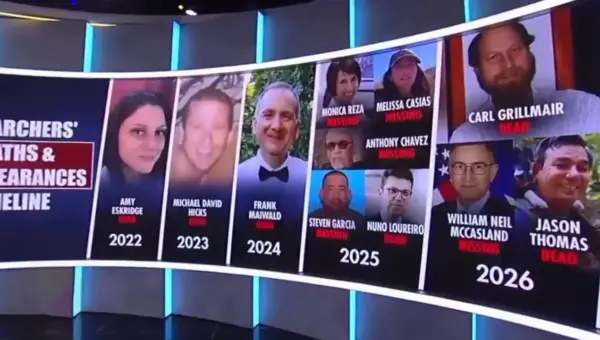
A House committee is investigating at least 11 scientists who worked on sensitive nuclear technology and have gone missing or died. Chairman James Comer called it a grave threat to U.S. national security. Key government agencies are cooperating to find answers.
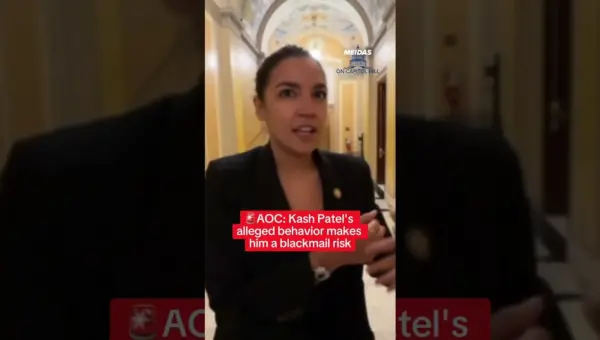
AOC: Kash Patel’s Behavior Is a Blackmail Risk
Alexandria Ocasio-Cortez warns that Kash Patel's public behavior, including instances of public intoxication, makes him a national security risk. She believes such actions create opportunities for blackmail and compromise, arguing he should be removed from his FBI position.
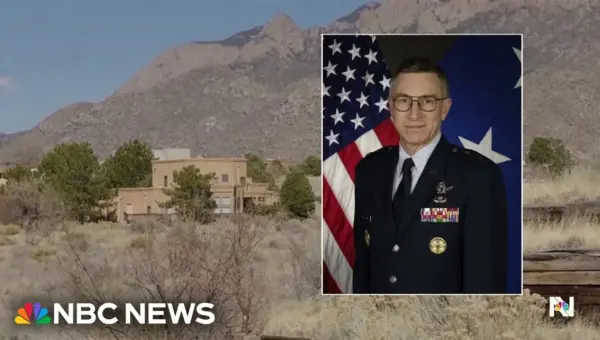
FBI Probes Links in Missing, Dead Scientists Cases
The FBI is investigating potential links between the disappearances and deaths of at least ten American scientists. Cases involving individuals with ties to nuclear research and classified projects are drawing particular scrutiny. While no evidence currently connects the incidents, the bureau's involvement signals a serious effort to uncover any patterns or conspiracies.