China Warships Sail as US-Japan Drills Signal Fierce Resolve
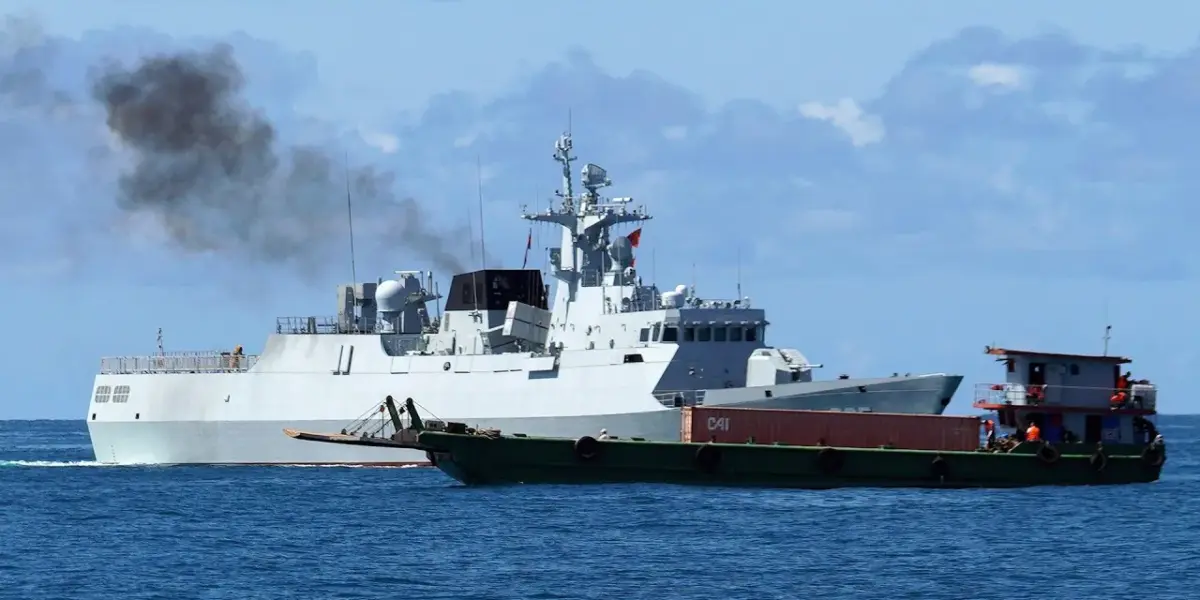
China has responded to joint US-Philippine military drills, which now include full participation from Japan, by sending warships to the Western Pacific. These actions highlight rising tensions in the region, particularly concerning Taiwan and the South China Sea.

China Warships Sail as US-Japan Drills Signal Fierce Resolve
The United States and Japan are making a strong show of force in the Pacific. Japan is now fully joining joint military exercises with the US and the Philippines.
This marks a significant increase in Japan’s involvement compared to previous years. In response, China has dispatched warships to conduct its own drills in the Western Pacific.
The situation around Taiwan is particularly tense. Taiwan reported that a Chinese aircraft carrier sailed through the Taiwan Strait, a critical and sensitive waterway.
This action occurred as tens of thousands of US and Philippine troops began large-scale combat drills. These exercises are among the biggest of their kind and are widely viewed as a direct response to China’s increasing assertiveness in the region.
Japan’s Growing Role and Regional Concerns
These drills are also happening while Japan and South Korea worry that the war in Ukraine might draw US attention away from Asia. General Michael Cederholm, the commanding general of the US Marine Expeditionary Force, stated at the opening ceremony, “Regardless of the challenges elsewhere in the world, the United States’ focus on the Indo-Pacific and our ironclad commitment to the Philippines remains unwavering.” This message aims to reassure allies about US dedication to regional security.
This year is the first time Japan is participating fully in these specific joint drills. Japan’s Self-Defense Forces have sent about 1,400 troops, a tenfold increase from last year’s participation. This shows a clear step-up in their commitment and capability within the alliance.
Flashpoints in the South China Sea and Taiwan Strait
The joint exercises will take place in areas near the Taiwan Strait and the disputed South China Sea. These locations are significant because they are areas where tensions have been high. Chinese Coast Guard ships have previously engaged in aggressive actions, including ramming Filipino vessels in the South China Sea, further raising concerns.
There is also growing worry about a potential conflict involving Taiwan. The Philippines has stated that it would be drawn into any war over Taiwan due to its close geographic proximity to the island. This highlights the interconnectedness of regional security and the potential for broader conflict.
Why This Matters
The increased military activity and the participation of Japan in these large-scale drills signal a strengthening of alliances in the face of China’s growing military power and regional assertiveness. It shows that countries in the Indo-Pacific are preparing for potential conflicts and are committed to collective defense. The drills are not just a show of strength but also a way to improve coordination and interoperability between allied forces.
Historical Context and Future Outlook
For decades, the US has been a security guarantor in the Indo-Pacific. However, China’s rapid military modernization and its territorial claims in the South China Sea and towards Taiwan have altered the regional dynamics. Japan, historically cautious about its military role, has been steadily increasing its defense capabilities and its willingness to engage in joint operations with the US and other partners.
The drills are a modern reflection of historical alliances adapting to new geopolitical realities. The inclusion of the Philippines is crucial, given its strategic location and its own disputes with China. The US commitment, as stated by General Cederholm, is designed to deter aggression and reassure allies that the US remains a reliable partner.
The future outlook suggests continued military posturing and diplomatic maneuvering in the region. As China continues its military buildup and assertive actions, the US and its allies are likely to deepen their security cooperation. The focus will remain on maintaining freedom of navigation and preventing any forceful changes to the status quo, particularly concerning Taiwan.
The next round of large-scale joint military exercises between the US and its allies in the Indo-Pacific is scheduled for late 2024.
Source: China Sends Warships to Pacific Drill as Tensions With Japan Rise (YouTube)

Related Articles
US Seizes Iranian Ship, Igniting China’s Military Aid Fears
The US Navy seized the Iranian cargo ship Touska, raising concerns about potential Chinese military support for Iran. The ship's frequent visits to China and Zhuhai's missile precursor hub are under scrutiny. This incident escalates tensions and awaits investigation results.


China Threatens Retaliation Over EU’s Cybersecurity Crackdown
The EU's proposed cybersecurity law aims to remove Chinese tech companies from critical 5G networks, prompting a strong warning from Beijing about potential retaliation. This move highlights growing global tensions over technology and national security.


Volvo’s China Deal Sparks Global Identity Crisis
Volvo's partnership with Chinese nationalist Hu Xijin has sparked debate about global brands adapting to China's market. While some see it as a smart move to appeal to elites, others worry it damages the brand's premium image. This raises questions about how far companies will go to tailor their identity for different regions.