Psychedelics Offer New Hope for Veterans’ Trauma
A new executive order expands research into psychedelic treatments like ibogaine for mental health issues, offering hope for veterans with PTSD. Former pilot Matthew Buckley shares his transformative experience with ibogaine therapy, which helped him overcome trauma and now drives his mission to prevent veteran suicide.

Psychedelics Offer New Hope for Veterans’ Trauma
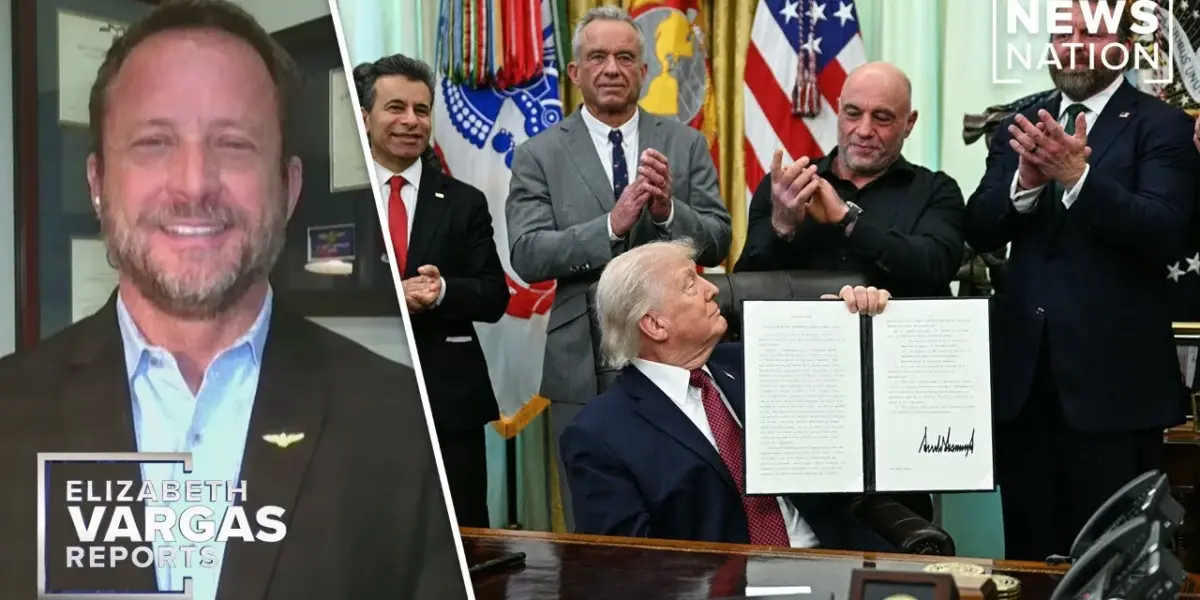
A new executive order signed by President Trump is expanding research into psychedelic drugs as treatments for mental health issues. This move signals a potential turning point for many people struggling with difficult conditions, especially veterans facing trauma and PTSD. The order was signed surrounded by supporters of psychedelic therapy, including podcast host Joe Rogan, who has spoken out about the drug ibogaine’s success.
Early research shows promise for psychedelic compounds. A 2024 study from Stanford University is looking at a treatment called “Ibogaine Ballgame Treatment” for special operations veterans with traumatic brain injury.
Early results suggest an 80-90% reduction in depression and anxiety symptoms in just one session. These findings indicate that ibogaine might change certain brain pathways, offering help to many people and addressing the high number of veteran lives lost.
A Pilot’s Personal Journey to Healing
Matthew Buckley, a former Top Gun pilot and advocate for psychedelic treatments, knows this crisis firsthand. He used ibogaine to treat his own PTSD after his brother’s suicide deeply affected him. Buckley describes the experience as incredibly challenging, not recreational, but like getting 40 years of therapy in 14 hours.
Buckley’s therapy helped him resolve deep-seated issues, including lost faith and estrangement from his family after his children died in battle. He returned home with a mission: to end veteran suicide by helping others access these powerful treatments. For five years, his foundation, “No Fallen Heroes,” has provided grants for veterans, first responders, and their families to receive this therapy.
“Imagine having to go to another country to help heal heroes who incurred trauma serving this one. It was infuriating.”
– Matthew Buckley
Buckley was present at the White House when the executive order was signed, feeling emotional about this step forward. He sees this as a beginning, a way to start healing the wounds of those who have served.
Understanding Psychedelic Medicine
Buckley refers to these compounds as “medicines” or even “sacraments,” not drugs. He explains that under their influence, people can see themselves without the trauma, addiction, or shame that often holds them back. He shared an example of a Navy SEAL whose brain scans showed significant improvement after treatment, highlighting the incredible plasticity these compounds can offer.
He draws a parallel to penicillin, discovered in the 1920s but with its mechanisms fully understood much later. Buckley argues that parallel research and immediate application for veterans are possible, especially with so many dying daily. He believes the country would act faster if faced with a similar crisis in another population.
Obstacles and Powerful Interests
Buckley believes that powerful interests, like “Big Pharma” and the alcohol and tobacco industries, may be slowing down the widespread acceptance and availability of these treatments. He recounted a conversation with a congressman who acknowledged the work but warned of these challenges. Buckley points to the success of his friend Marcus Luttrell, a Navy SEAL who stopped taking 15 medications after ibogaine therapy, as proof of these compounds’ effectiveness.
He stresses that progress requires either leadership or the removal of obstacles. The current situation forces veterans like Buckley to travel to other countries, like Mexico, to find healing, which he finds deeply frustrating.
The Duration and Effectiveness of Treatment
Regarding how long the benefits last, Buckley states that anecdotally, 80-90% of the veterans and families they’ve helped are “one and done.” They find the experience so profound that they don’t feel the need to repeat it. However, he notes exceptions like Rob O’Neill, another Navy SEAL who chose to go back three times.
Buckley emphasizes that this therapy is not fun or recreational; it is difficult work. Even NFL player Robert Gallery, who suffered significant head trauma, needed only about a day and a half for his treatment. The goal is healing, not repeated use, though occasional “tune-ups” might be beneficial for some.
This work offers a vital alternative for veterans who often turn to alcohol to cope with distress, leading to further problems. The effort to bring these therapies home is a critical step in supporting those who have served.
Source: Psychedelic treatment for veterans? Former Navy pilot shares experience | Elizabeth Vargas Reports (YouTube)

Related Articles

Ozempic’s ‘Emotional Flatline’: Are We Losing Joy for Weight Loss?
The weight-loss drug Ozempic may cause an 'emotional flatline,' reducing motivation and enjoyment of life. Dr. Drew Pinsky explains this is a 'wanting' versus 'liking' brain system effect, not a personality change. This raises questions about the true cost of weight loss.
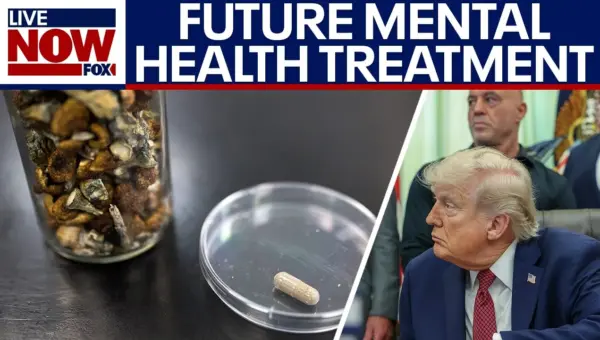
Trump Signs Order to Speed Psychedelic Drug Research
President Trump has signed an executive order to accelerate research and access to psychedelic drugs for mental health treatment, particularly for veterans with PTSD. While the order aims to speed up FDA reviews, experts note that extensive clinical trials and regulatory hurdles mean widespread patient access is still years away.


ADHD and Trauma: Separating Cause and Effect
Explore the complex relationship between ADHD and childhood trauma. Leading experts clarify that ADHD traits can lead to difficult experiences, rather than trauma causing ADHD. Accurate diagnosis is key for effective treatment.