Marines Board Ship Near Iran: Strait of Hormuz Tensions Flare
US Marines boarded a vessel approaching Iran after it ignored warnings and potentially violated international law. This incident escalates tensions in the Strait of Hormuz, a critical global trade route. Experts suggest countries may seek alternative shipping and energy transport methods, like pipelines, to avoid future disruptions.

Marines Board Ship Near Iran: Strait of Hormuz Tensions Flare
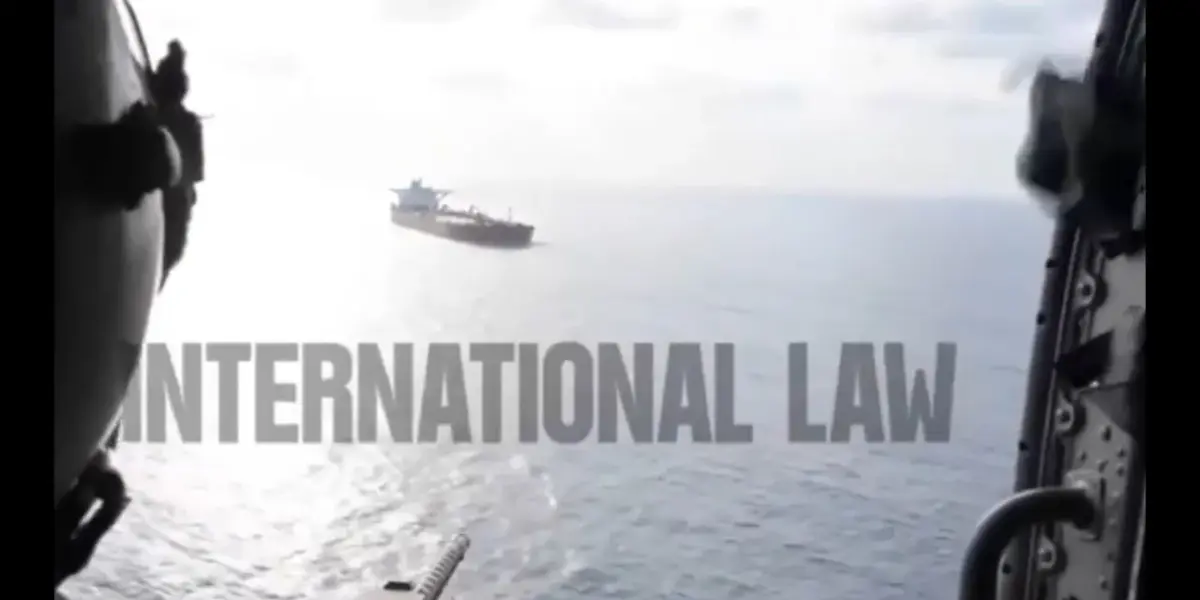
US Central Command released a video showing US Marines boarding a vessel that was approaching Iran. The ship, which data suggests has ties to China, reportedly violated international law in Chinese waters. This incident adds to the growing unease in the crucial Strait of Hormuz.
The vessel in question failed to respond to repeated warnings from US forces over a six-hour period. The US Navy destroyer USS Thomas Hudner then disabled the ship’s propulsion system using its 5-inch naval artillery gun. Following this, Marines boarded the vessel.
According to Newsweek, the ship had made multiple visits to Chinese ports recently. It also turned off its transponder, a device that broadcasts its location, while traveling between these Chinese ports. This act is considered a violation of international law.
The situation in the Strait of Hormuz remains highly volatile. Iran had once again closed the passage over the weekend. This closure came just one day after they had announced a temporary reopening.
Data from Monday shows a dramatic drop in traffic through the strait. Only three vessels managed to pass through during a 12-hour period. This is a sharp contrast to Friday, when 18 vessels, including six cruise ships, were able to transit during the brief reopening.
Why This Matters
The Strait of Hormuz is a vital waterway. It is one of the world’s most important oil transit chokepoints.
Approximately 30% of the world’s seaborne oil trade passes through this narrow channel. Disruptions here can significantly impact global energy prices and supply chains.
An analyst from the maritime tracking service Kepler noted that returning to normal trade through the strait will take time, even if fighting stops. They observed a rush of vessels trying to exit the region. However, ships looking to enter the strait to load cargo, like crude oil or fertilizer, will likely remain very cautious.
The analyst also suggested that countries in the region may seek long-term solutions to reduce their reliance on the Strait of Hormuz. This could involve developing alternative trade routes.
For oil, overland pipelines are a possibility. For container shipping, expanding ports located outside the strait could be an option.
The head of the International Energy Agency supports the idea of building new pipelines. They proposed an oil pipeline connecting Iraq’s oil fields with Turkey’s Mediterranean terminal.
This would offer a way to bypass the Strait of Hormuz entirely. The agency believes that financing such a project can be overcome and sees this as the right time to pursue it.
The incident highlights the ongoing tensions between Iran and international naval forces in the Persian Gulf. It also brings attention to the risks associated with relying heavily on a single, narrow shipping lane for global trade and energy. The potential for alternative routes suggests a future where the Strait of Hormuz may play a less dominant role.
The International Energy Agency’s proposal for a new pipeline points to a strategic effort to diversify energy transport. This move could reshape regional trade dynamics and reduce vulnerability to geopolitical disruptions. The coming months will reveal how seriously these alternative strategies are pursued.
Source: Video Shows US Marines Boarding Vessel Approaching Iran (YouTube)

Related Articles


Israel Declares Air Superiority, Pledges Fight Against Iran
Israeli leaders have declared air superiority and vowed to counter Iran's regional ambitions. Despite ceasefires, military actions continue, highlighting ongoing tensions with Iran-backed groups in Lebanon and Iraq.

Trump Faces Iran Crisis: Trapped with No Easy Answers
Former President Trump faces a complex crisis with Iran, appearing trapped with limited options. Public opinion and Iran's strategic maneuvering suggest a need for a deal, but leverage is scarce. The situation echoes historical tensions and raises questions about future diplomatic outcomes.


Iran Talks: Why Bolton Thinks Iran Won’t Keep Promises
John Bolton believes Iran has little incentive to honor any deal reached in upcoming peace talks. He argues Iran senses U.S. "panic" and sees President Trump seeking a way out for domestic political reasons, giving Iran significant leverage. Bolton is skeptical of Iran's commitment, citing their history of broken promises.