LAPD’s Power Play Forced DA’s Hand in Murder Case
Attorney Mark Geragos claims the LAPD pressured the DA's office to file a murder case before they were ready. This alleged tactic, stemming from disagreements with the medical examiner, could create significant challenges for the prosecution.

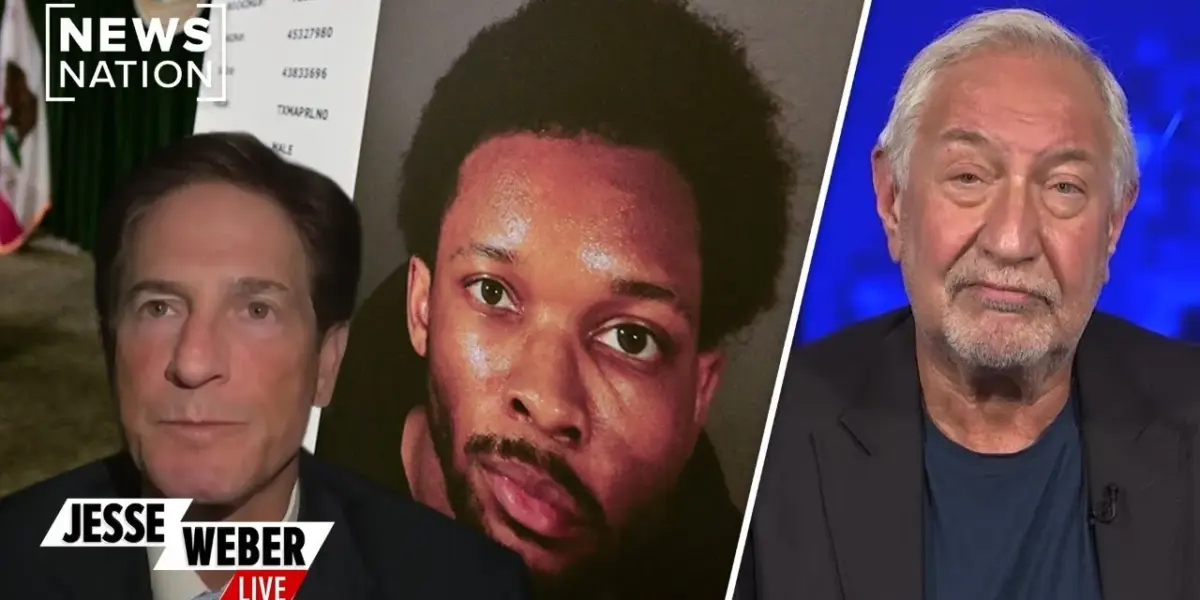
LAPD’s Power Play Forced DA’s Hand in Murder Case
A recent murder case in Los Angeles has brought to light a significant clash between the LAPD and the District Attorney’s office. Attorney Mark Geragos suggests the LAPD used strategic pressure to force the DA’s office into filing charges before they were fully prepared. This move, according to Geragos, was unusual and potentially problematic for the prosecution’s case.
The controversy began when a judge ordered the release of the medical examiner’s report. Geragos points out that the DA’s office had twice tried to block this release.
The DA’s office and the LAPD were reportedly at odds with the medical examiner regarding the findings of the report. This internal disagreement is what led to the judge’s order.
Disagreement Over Findings
Geragos, with 43 years of experience, states he has never seen a situation like this before. He noted that even a medical examiner’s office representative he spoke to last month had never witnessed such a conflict. The idea that there was no friction between the agencies is, in his opinion, incorrect.
The LAPD arrested a suspect on a Thursday. However, by the following Monday, there was still no formal complaint filed or grand jury indictment.
Geragos believes this indicates the DA’s office was not ready to proceed with the case at that time. They were compelled to file charges due to the LAPD’s actions.
LAPD’s Strategy
Geragos’s theory is that the LAPD masterfully manipulated the DA’s office. Their goal was to force the DA to file the murder case.
The DA’s office, not yet ready, had to act. This pressure applied not only to the DA’s office but also to the private defense counsel.
Defense attorneys have already requested a preliminary hearing to move the case forward. This is happening despite the massive amount of evidence, described as terabytes of data. Geragos questions why such a clear-cut case took seven to eight months to investigate and why the DA needed outside help.
Questions About the Evidence
The DA mentioned that there is no single “smoking gun.” Instead, the prosecution relies on the totality of the evidence. They are presenting multiple special circumstances to support different theories of conviction. These include claims of lying in wait, the victim being a witness to an investigation, and financial gain.
Geragos, however, sees this as a potential advantage for the defense. He points out that the medical examiner did not initially rule the death a homicide.
He claims the LAPD internally questioned whether a crime had even been committed. This suggests a lack of initial certainty about the nature of the death.
Challenges for the Prosecution
The prosecution alleges the victim was killed with a blunt instrument. Geragos argues this conclusion might be flawed.
He believes the dismemberment of the body, which occurred after death, could have led to the use of a blunt instrument. This does not necessarily mean it was the cause of death.
Crucially, the exact cause of death remains unknown. The DA’s office doesn’t know if it was an accidental overdose or another cause.
They also don’t know precisely when she died. Geragos feels the entire handling of the case raises serious doubts.
Defense Perspective
Geragos predicts the defense will have a strong case, largely due to how the investigation and prosecution have been managed. He notes that if the medical examiner’s initial findings are considered, and the LAPD’s internal doubts are revealed, it could significantly weaken the prosecution’s argument.
He also touches on the issue of cooperating witnesses. The DA stated that some witnesses were given immunity.
Geragos questions what their stories were before immunity and if there is any corroborating documentary evidence. He also wonders about the timing of obtaining cell phone data and text messages, which law enforcement can usually get within a week.
Timing and Procedural Issues
Given the availability of cell tower evidence and video footage from inside the house and car, Geragos questions why the LAPD was unsure a crime occurred for two months. He also questions why it took eight months for an arrest when the DA had not yet filed a complaint or secured an indictment.
The use of an investigative grand jury for criminal indictments is also called into question by Geragos. He describes this process as being conducted on the 13th floor of the criminal courts building, implying a standard procedure is being followed, but his tone suggests skepticism about its application here.
Why This Matters
This case highlights the critical checks and balances between law enforcement agencies and the justice system. When one agency appears to exert undue pressure on another, it can compromise the integrity of an investigation. The defense’s ability to exploit procedural missteps or internal disagreements could lead to a different outcome than if the case had been built on a foundation of clear, undisputed evidence from the start.
Implications and Future Outlook
The prosecution’s confidence may be tested if the defense can effectively argue that the investigation was flawed from the beginning. The reliance on multiple theories of conviction suggests a lack of a singular, clear path to proving guilt. This could complicate the prosecution’s efforts to present a cohesive narrative to a jury.
The future of this case will likely depend on how well the defense can challenge the evidence and the procedures used. The DA’s office will need to overcome the initial doubts and disagreements to secure a conviction. The public will be watching to see if justice is served fairly, regardless of the pressures applied by law enforcement.
Historical Context
Historically, disagreements between police departments and prosecutors are not uncommon. However, the explicit actions described by Geragos—the DA’s office attempting to block a report’s release and the LAPD allegedly forcing the DA’s hand—point to a level of conflict that is less typical. Such conflicts can stem from differing investigative priorities, interpretations of evidence, or political pressures.
The lengthy investigation period also raises questions about resource allocation and investigative efficiency. In high-profile cases, the pressure to make an arrest and file charges can sometimes outpace the thoroughness of the investigation, leading to the very issues discussed in this case.
Looking Ahead
The preliminary hearing is scheduled soon, and it will be the first opportunity for the defense to formally challenge the prosecution’s case. The evidence presented, and the arguments made, will set the stage for what is to come.
Source: LAPD forced DA's office to file D4vd murder case: Geragos | Jesse Weber Live (YouTube)

Related Articles

Iran Talks Uncertain, Apple CEO Steps Down, Murder Case Advances
New questions arise about potential U.S.-Iran talks as Iran expresses uncertainty about attending. Meanwhile, Apple CEO Tim Cook is transitioning to Executive Chairman after a successful 15-year tenure. The news also covers a singer facing murder charges, a deadly shooting at a Mexican tourist site, and a mass shooting in Louisiana.

Singer D4vd Arrested in Gruesome Murder of Teen
Singer D4vd, real name David Burke, has been arrested and charged with first-degree murder in the death of 14-year-old Celeste. Prosecutors allege Burke murdered the teen after she attended his home in April 2025, and her dismembered remains were found months later in his car. The charges include murder for financial gain and murdering a witness to sexual assault.

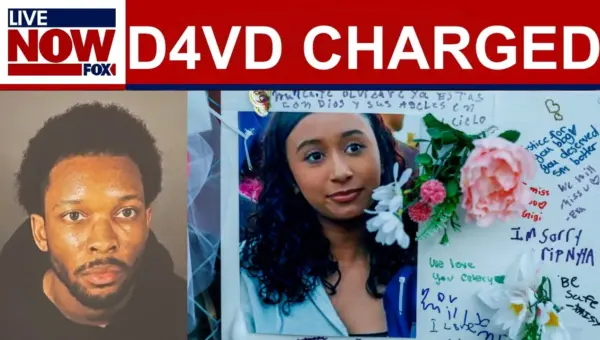
Prosecutor Charges Musician Burke with Murder, Sex Crimes
David Anthony Burke has been charged with the murder of 14-year-old Celeste Rivas, along with sexual offenses and mutilating human remains. Prosecutors allege the murder was committed with special circumstances, including lying in wait, financial gain, and silencing a witness to prior sexual abuse. The investigation faced significant challenges due to the condition and decomposition of Rivas's remains.